FISTERRA, EMOTION AT THE END OF THE WAY

Discover Fisterra through “FISTERRA, EMOTION AT THE END OF THE WAY”. If you care about local identity, this chapter will hook you. Tip: look out for final.
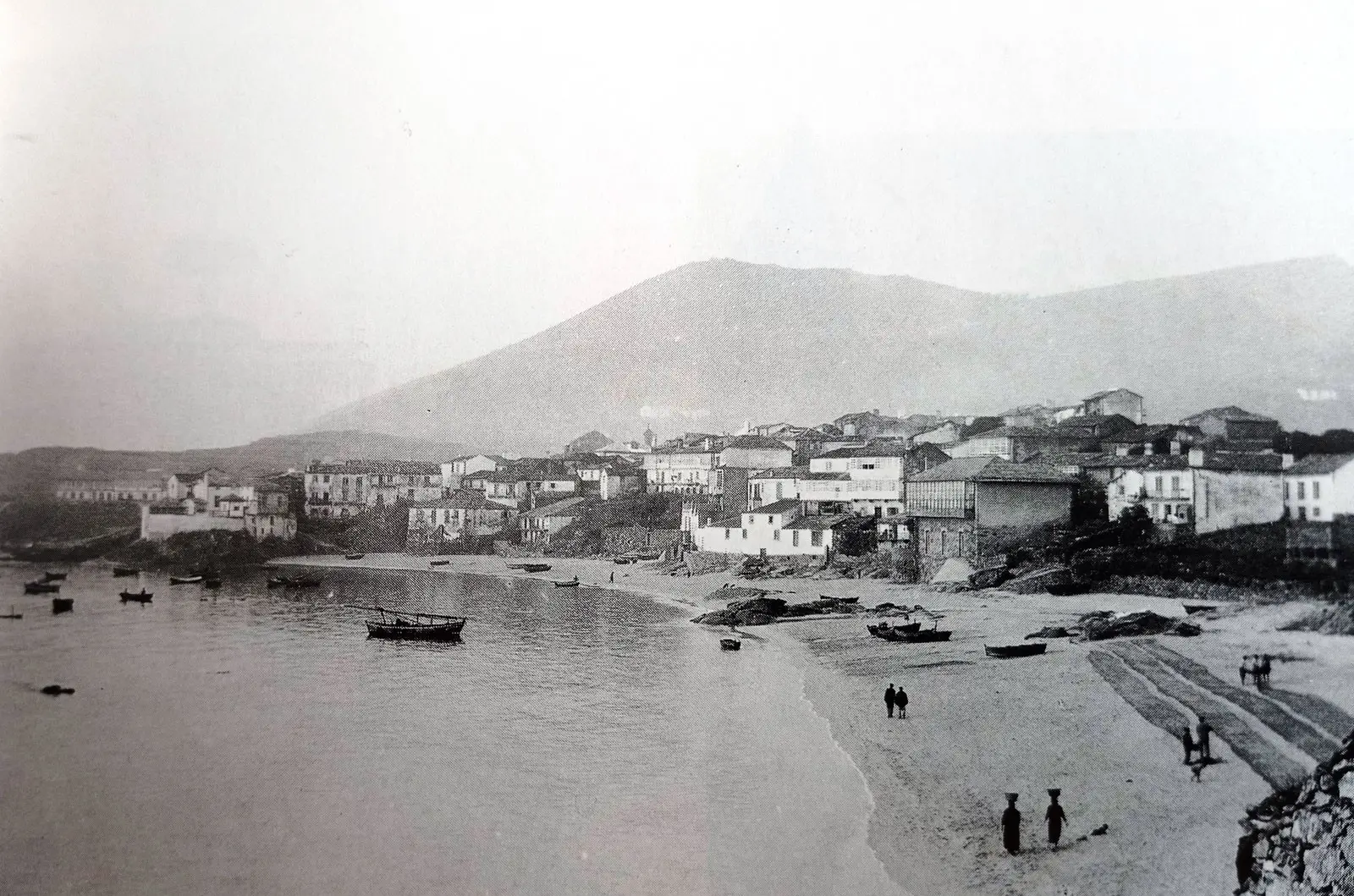
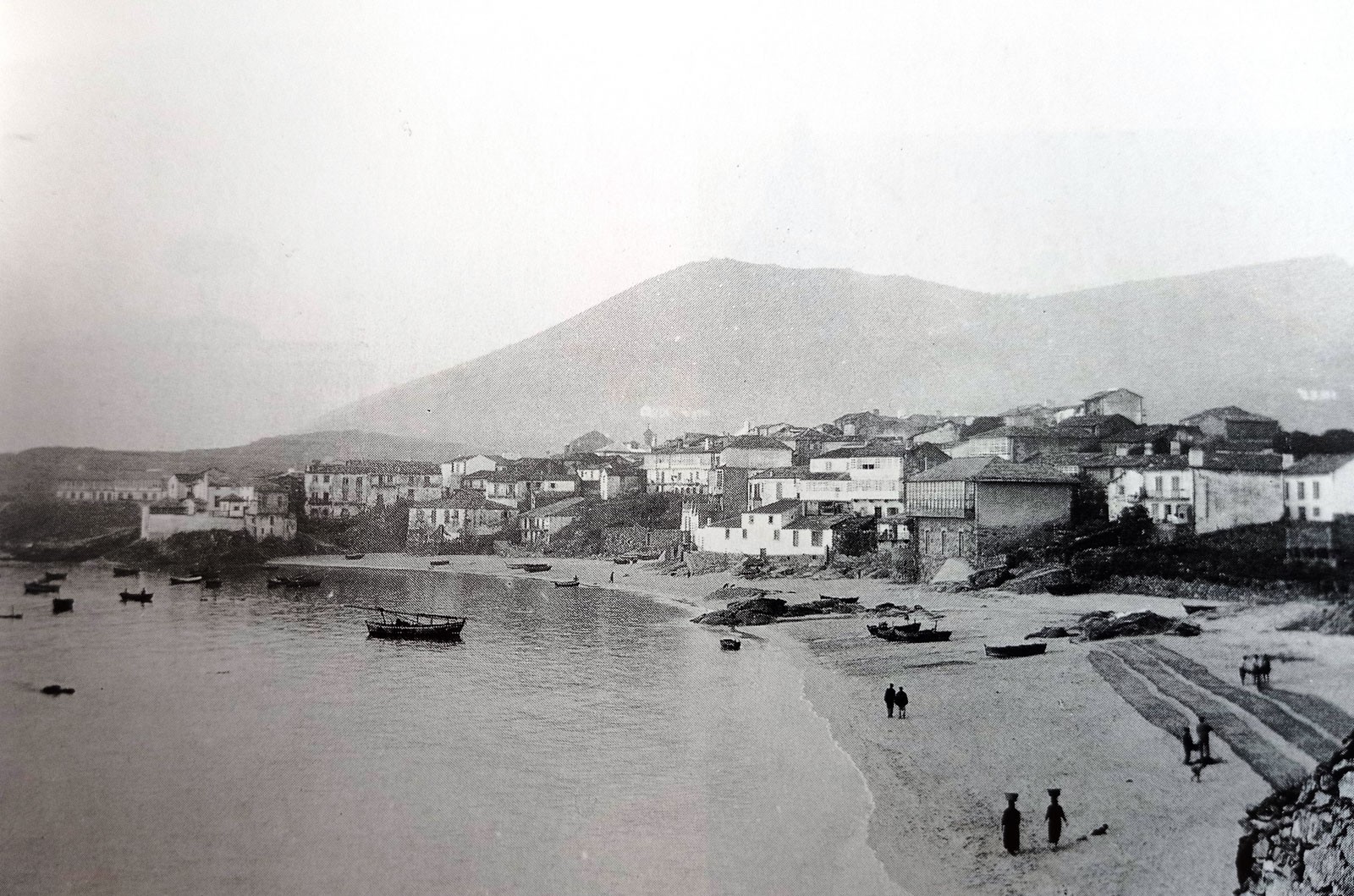
138. A vila de Fisterra nos anos 30 do pasado século (R. Caamaño)

The town of Fisterra was lucky that its original settlers christened it with such a suggestive name. The greatest aspiration of any hiker will always be to reach a goal. The fact that this goal is the end of the known world makes the motivation for getting here even greater. This was why this talisman was granted to Fisterra to attract travellers and pilgrims.

Although this end of the continent has been inhabited since prehistoric times, as archaeological materials found in the Duio Valley document, the town of Fisterra was created in the Middle Ages. From the end of the 13th century to the end of the 14th, it belonged to the Mariño family. There is documentation from the Middle Ages of the arrival of travellers and pilgrims to Fisterra, many of whom wrote about the journey and the impressions that the place left with them. In 1469 there was already a pilgrims’ hospital near the parish church.

Fisterra was not immune to invasions by foreign pirates, first by Normans and Muslims and later by the English and French. Cardinal Del Hoyo tells us that the population of Fisterra lived in poverty and that their houses were burned down several times during these raids. French troops also came to this port, sacked the place and set fire to the San Carlos Castle.

The original centre around the Riveira beach grew towards the East until two neighbourhoods were formed: the older Cabo da Xesta in the West, and the more modern Cabo da Vila, which extended up to the present day Rúa de Santa Catalina.

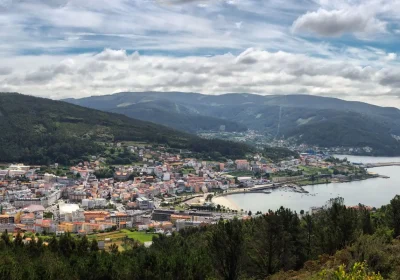
Present day Fisterra is very different from that of past centuries—even though certain areas that have preserved the structure of the historical town centre, but most of the houses have been renovated or newly built. Tourism is the main economic activity of Fisterra: tourists are attracted by the end of the Way of St James, as this town and Cape Fisterra are the most westerly point on the European continent.

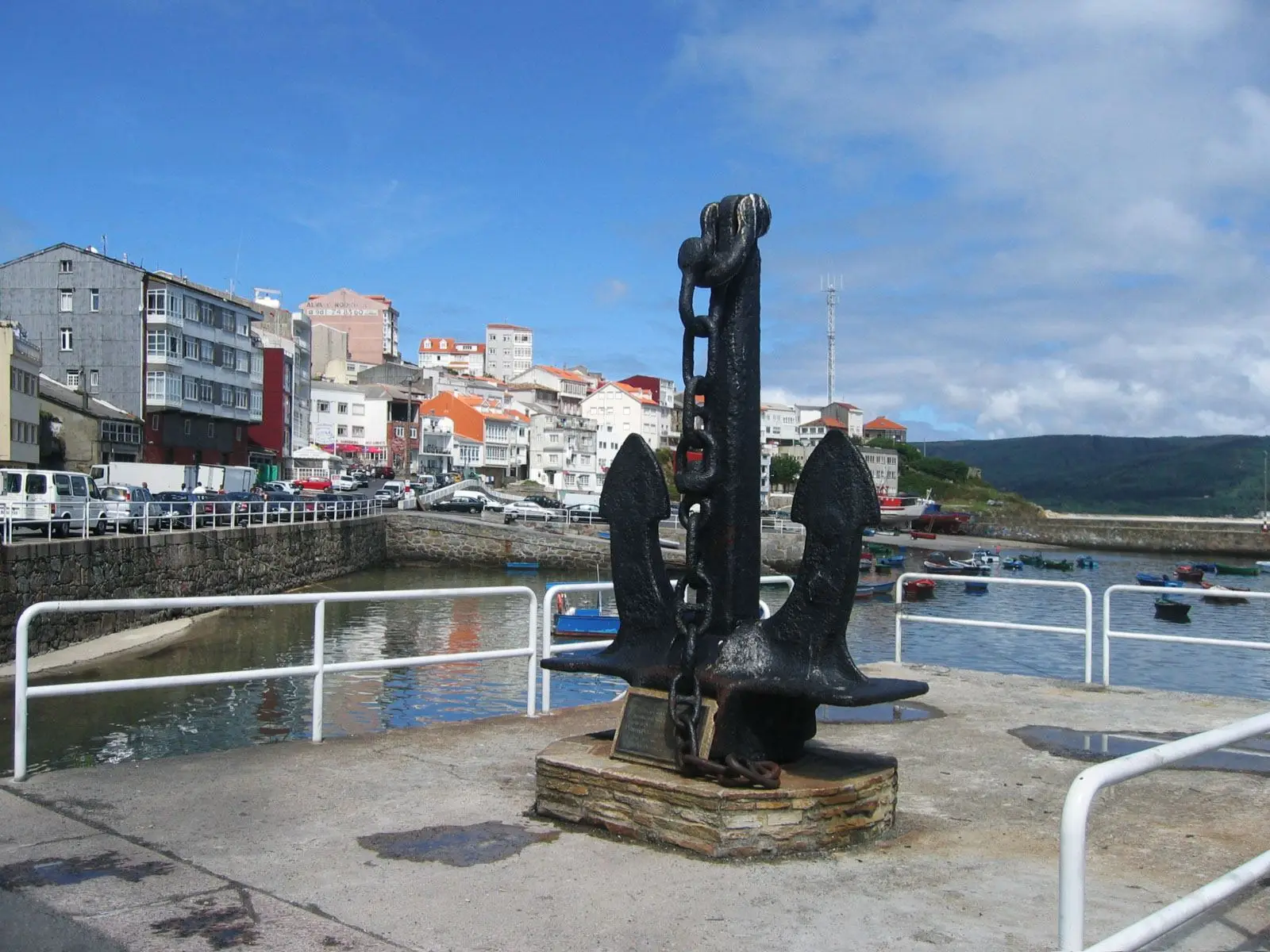
There are several places in the town that are worth visiting. First, the port area, adorned with the many multicoloured fishing boats, where the new fish market is located, a modern building built between 2004 and 2006, the work of the architect Covadonga Carrasco. In the same area is the anchor of the Casón, the ship that foundered on this coast in 1987 and created panic among the people of the region because of the hazardous cargo on board.

Behind the port is the castle of San Carlos, dating from the mid-18th century, which houses the Fishing Museum, containing fishing gear and information on the port’s seafaring traditions. In the streets of the town centre traditional houses can be found, allowing visitors to see what historical Fisterra was like. On Ara Solis Square is the chapel of Bo Suceso, a baroque building from 1743.

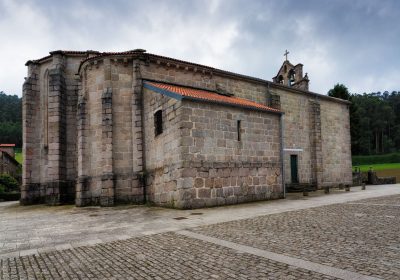
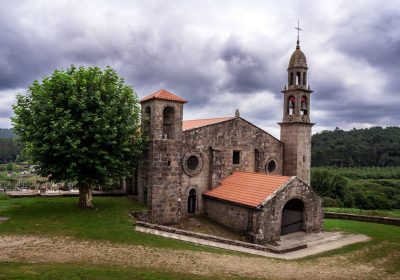
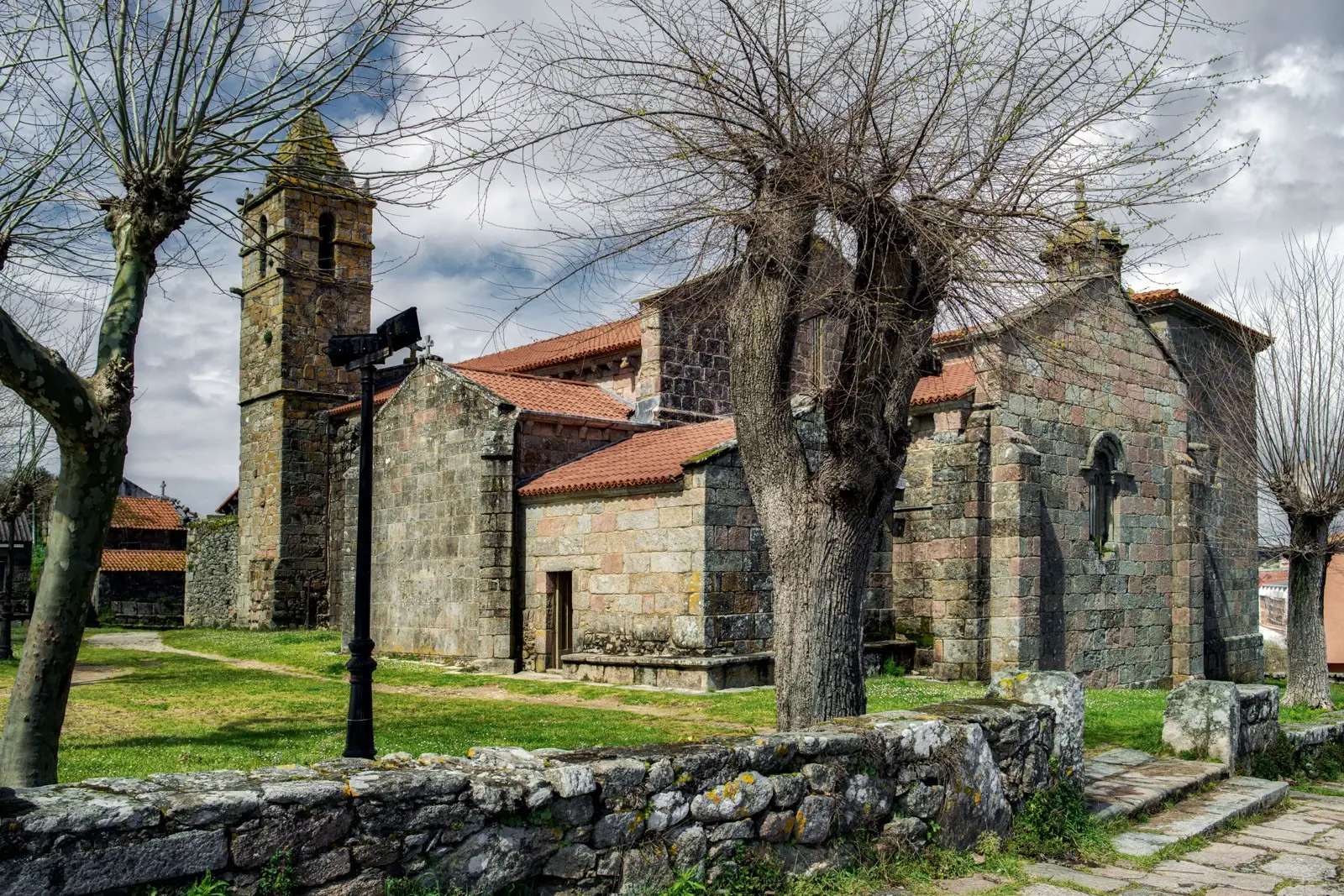
The parish church of Santa María das Areas (dedicated to Saint Mary) is in the outskirts, beside the road to cape Fisterra. It has some Romanesque features but its structure is Gothic, and other elements were added later, disfiguring its original shape. Among them is the baroque chapel of Santo Cristo, with an altarpiece in the same style containing a Gothic image of Christ, for which the local populace has great devotion. On Easter Sunday, in the field to the south of the church, the Resurrection of Christ is re-enacted, an event to which many pilgrims flock.
Photo gallery of FISTERRA, EMOTION AT THE END OF THE WAY

Discover the Costa da Morte on our blog

Blog Costa da Morte

FÉRVEDA DE ENTRECRUCES WATERFALL, A SYMPHONY FOR THE SE...

Nature gave San Paio de Entrecruces the gift of a extraordinary work that moves all visitors who go to this magical plac...

Easter 2026 on the Costa da Morte: Best Things to See a...

Easter 2026 on the Costa da Morte is one of the best times of the year to discover this Atlantic corner of Galicia. At t...

SOANDRES, AN ANCIENT MONASTERY OVERLOOKING THE RIVER AN...

On high ground above the river Anllóns to the north of Coto de Pedrouzo is Soandres, a large parish in the municipality ...

What gastronomic festivals are there in Costa da Morte?

Are you wondering what gastronomic festivals are held in Costa da Morte? Here’s the complete selection! Gastronomy is...

ÉZARO WATERFALL, A SPLENDID NATURAL SIGHT

The river Xallas, which takes its name from the district that it crosses, has its sources on the western slopes of Monte...

Prehistoric monuments in Costa da Morte

Costa da Morte, located in the northwest of Galicia, is known for its natural beauty, but also for its rich historical a...

Camino de Santiago to the end of the world: Fisterra an...

More and more pilgrims are choosing to continue the Camino de Santiago to the end of the world, whether to the Fisterra ...

MORAIME, HISTORICAL CENTRE OF COSTA DA MORTE

There is a great lack of knowledge of the history of Moraime and the role that it played in the past as the religious an...

Costa da Morte, Naturally Unique: Starting Today, a Cha...

There are places you can’t understand through a “top 10” list. Places that require time, context, and a careful gaze. Co...

CEE, THE FIRST INDUSTRIAL TOWN ON COSTA DA MORTE

The town of Cee, which stands at the head of the Corcubión ría, has a long history that starts in the 12th century when ...

Upcoming events on the Costa da Morte

Find out instantly what activities await you on the Costa da Morte. Here you will find an up-to-date list of concerts, fairs, guided tours and shows that take place on the Costa da Morte. Don’t miss any event: experience the culture, sport and tradition of our region. And if you want to find out before anyone else, sign up for our newsletter and you will receive all the news in your email.

  • Monday
    5
    October

    First Monday of Octobe...

    Camariñas will hold its first-Monday-of-the-month gathering on 5 Octob...

  • Tuesday
    6
    October

    Introduction to Galici...

    Fisterra will host an introductory course on the Galician language and...

  • Tuesday
    6
    October

    Pablísimo in Cee with ...

    The school programme of the 13th edition of O Mes da Fundación 2026 br...

Logo Cmat Color Fondo Transparente
Privacy Overview

This website uses cookies so that we can provide you with the best user experience possible. Cookie information is stored in your browser and performs functions such as recognising you when you return to our website and helping our team to understand which sections of the website you find most interesting and useful.