MUXÍA, THE SHIP THAT SAILS FOR THE NORTH

Understand Muxía through “MUXÍA, THE SHIP THAT SAILS FOR THE NORTH”. A short read with substance: it puts you on the map and in its time. Tip: look out for muxía.
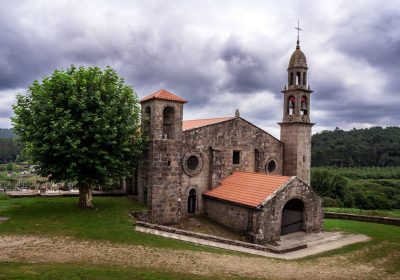
8. Altar gótico da ábsida sur

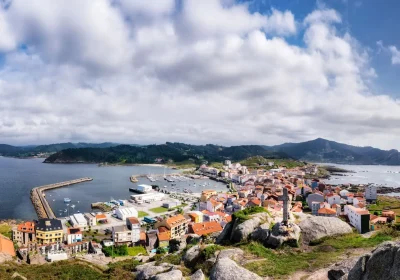
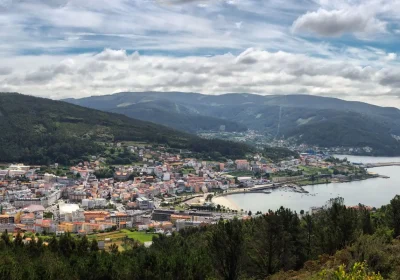
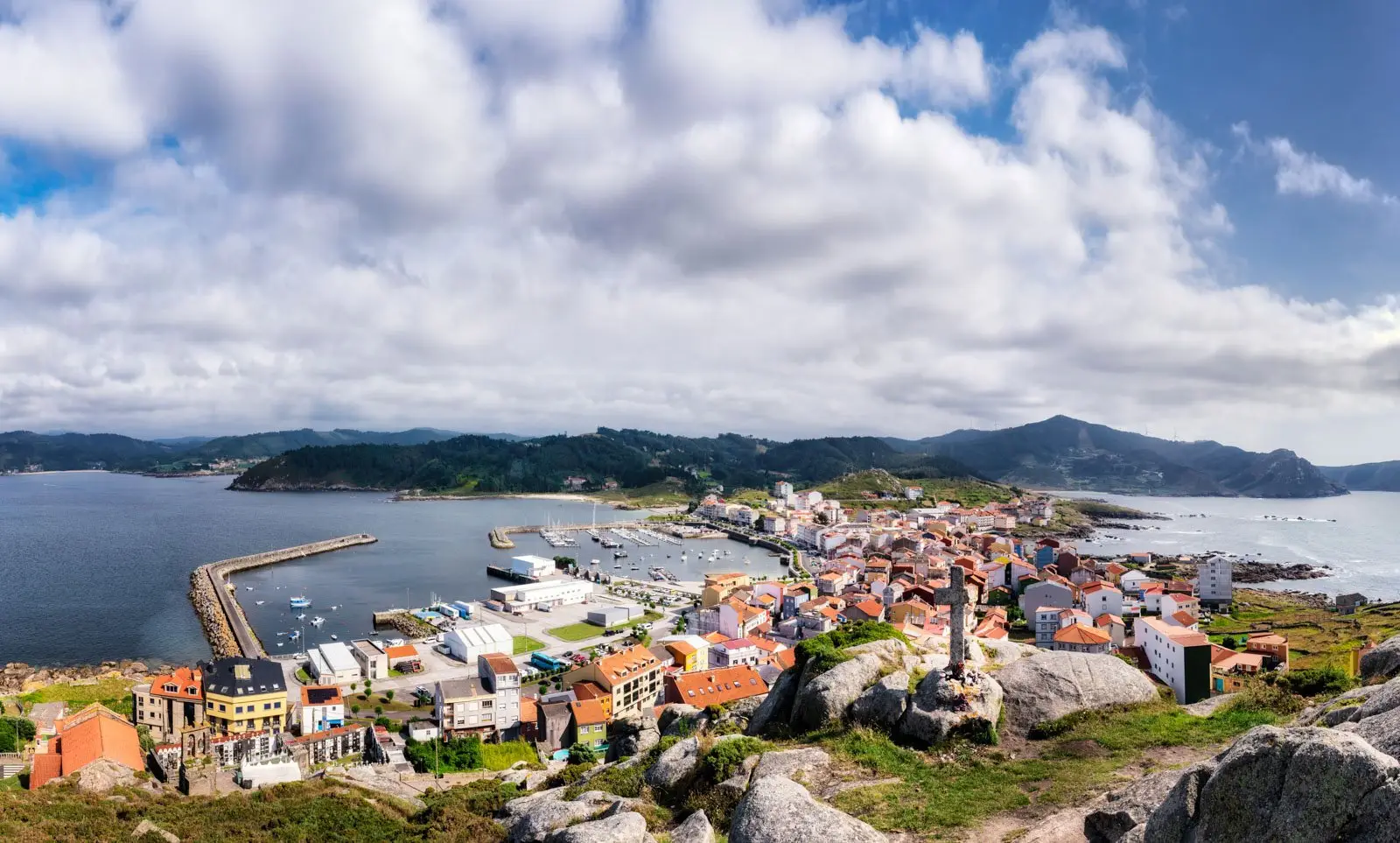
The poet Gonzalo López Abente (1878-1963) considered his native Muxía to be static, “lying” on the river bank, silent and melancholy, looking up at the sky. But he could also have imagined it in movement, sailing on a majestic ship with its prow on the Barca Point, its stern on Monte do Enfesto and Monte Corpiño as its wheelhouse.

In reality, Muxía is a town with a long history linked to the monastery of San Xulián de Moraime (dedicated to Saint Julian), which ruled over the peninsula on which it stands. The very name of the town comes from this religious community, which was founded in the Middle Ages.

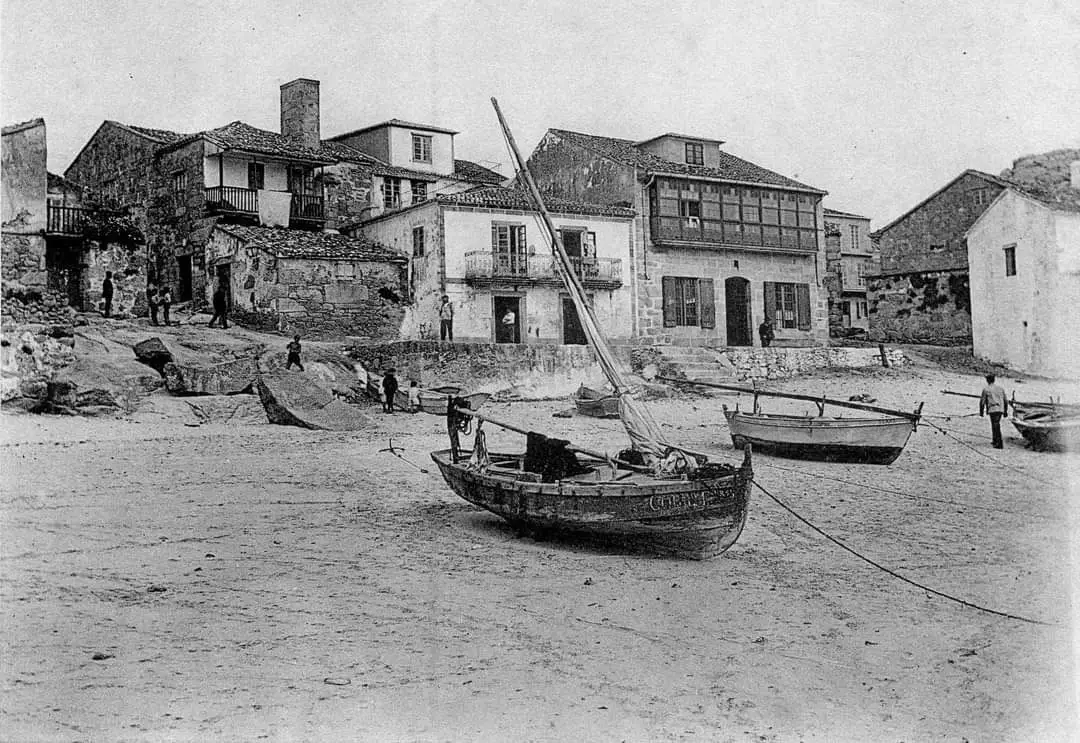
King Alphonso XI granted the port of Muxía the charter of A Coruña, which permitted its neighbours to enjoy certain rights on the condition of respecting the privileges that the monks of Moraime had over the town. It should be noted that the territory of the people of Muxía was very small, with no possibility of agriculture or of supplying themselves with water or firewood, so that they depended on Moraime to obtain such basic elements. Fishing was the only recourse for the first settlers who dared to build the first houses at the foot of Monte Corpiño.

In later centuries, the life of the people of Muxia continued to be linked to the sea, especially sardine and conger eel fishing. From the 18th century on, lace making had some importance for the number of women who made it and for the families that sold it.

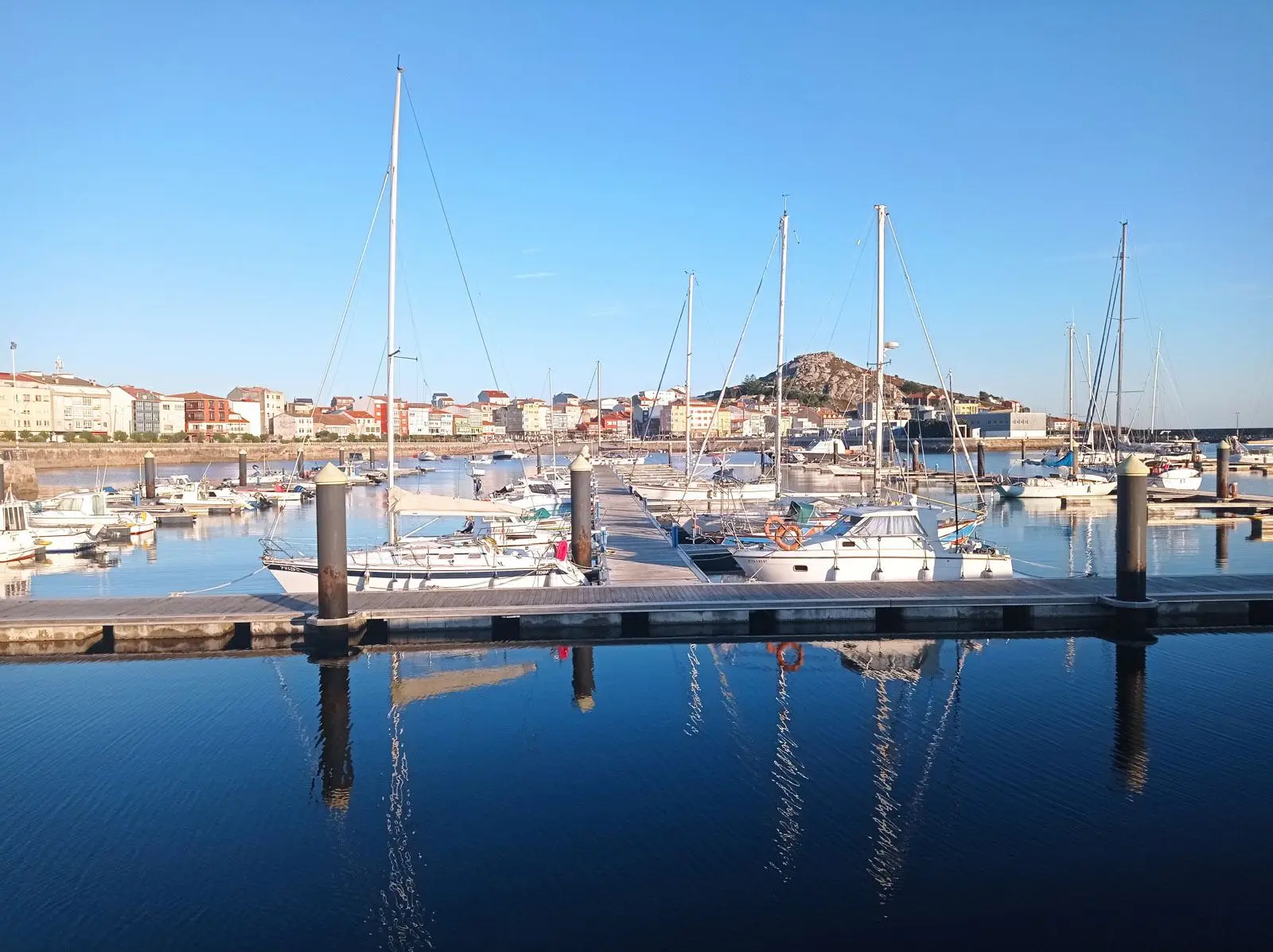
In the first few decades of the 20th century, Muxía was a small town with around a thousand inhabitants, with a centre that extended from the parish church south to Cabo da Vila square. The sea continued to be its way of life, supplemented by exporting lace to Latin American countries. The discovery of the Canto fishing grounds at the end of the 1970s led to a very noticeable improvement in the finances of the fishermen’s families and permitted the renovation of the fishing fleet and the urban development of the town. The seafront also changed, with the construction of a sea wall, a promenade and a marina. All these changes altered present-day Muxía. The fishing industry has lost its importance and tourism is becoming the main economic activity, attracted by the Way of St James and the landscape and historical resources offered by this fishing town.

The Barca cape is the main attraction for visitors. Here are concentrated the most interesting heritage assets, such as the sanctuary of the Virxe da Barca (dedicated to Saint Mary), an 18th-century baroque building, and the Abalar and Cadrís rocks, associated with the legend of the arrival of the Virgin, who appeared to the Apostle James in this place. For this reason, Muxía represents, together with Fisterra, the end of the Way of St James that runs from Santiago de Compostela to the most westerly part of Galicia.

The town of Muxía also offers visitors other places of interest, such as the parish church of Santa María, a magnificent Gothic building with attractive altarpieces; Monte Corpiño, the best vantage point for looking out over the town and surrounding area; and the town centre, which still has some streets and squares with houses from Muxía’s past.
Galería de fotos de MUXÍA, THE SHIP THAT SAILS FOR THE NORTH

Discover the Costa da Morte on our blog

Blog Costa da Morte

Where to find graffiti, murals and street art in Costa ...

Are you wondering where to find graffiti, murals, and street art in general in Costa da Morte? Well, you’re in luc...

Best hiking routes in Costa da Morte

Costa da Morte, located in the northwest of Galicia, is famous for its breathtaking landscapes of cliffs, unspoilt beach...

MALPICA, MY LOVE...

The sea builds character, but if that sea is as violent as in Costa da Morte and the piece of land on which one lives is...

CAIÓN, A TOWN BY THE SEA

Travellers who want to get to know the town of Caión should see it first from afar, from one of the lookout points, befo...

Secret beaches of Costa da Morte

Do you want to know which are the secret beaches of Costa da Morte? Well, you are in luck, because in this article we wi...

Charming villages in Costa da Morte: routes through Cor...

If you’re looking for charming villages in Costa da Morte, you’ll find many. From Caión in the northernmost point to Car...

THE DOMBATE DOLMEN, THE CATHEDRAL OF MEGALITHIC GALICIA

The megalithic culture is one of the most important symbols of the identity of Costa da Morte. More than 600 sites have ...

MONTE PINDO, GALICIA’S CELTIC OLYMPUS

Monte Pindo, known locally as O Pedregal (the stony ground), is such a striking geographical accident that it cannot be ...

THE VAKNER, THE ENIGMATIC BEAST ON THE WAY TO FISTERRA

Many pilgrims and travellers who have come to Galicia throughout history have left accounts of their journeys, which all...

What to visit in Costa da Morte in 10 days

Wondering what to visit in Costa da Morte in 10 days? Here’s the detailed answer. In our view, 10 days is the perfect am...

Upcoming events on the Costa da Morte

Find out instantly what activities await you on the Costa da Morte. Here you will find an up-to-date list of concerts, fairs, guided tours and shows that take place on the Costa da Morte. Don’t miss any event: experience the culture, sport and tradition of our region. And if you want to find out before anyone else, sign up for our newsletter and you will receive all the news in your email.

  • Sunday
    15
    March

    Exhibition and documen...

    As part of the 8M (International Women’s Day) programme, Camariñas is ...

  • Sunday
    15
    March

    Os Carunchos Concert 2...

    The Os Carunchos Concert 2026 in Mazaricos will bring an afternoon of ...

  • Sunday
    15
    March

    PonteFriki 2026 in A P...

    PonteFriki 2026 in A Ponte do Porto lands with two full-on days of gee...

Logo Cmat Color Fondo Transparente
Privacy Overview

This website uses cookies so that we can provide you with the best user experience possible. Cookie information is stored in your browser and performs functions such as recognising you when you return to our website and helping our team to understand which sections of the website you find most interesting and useful.