

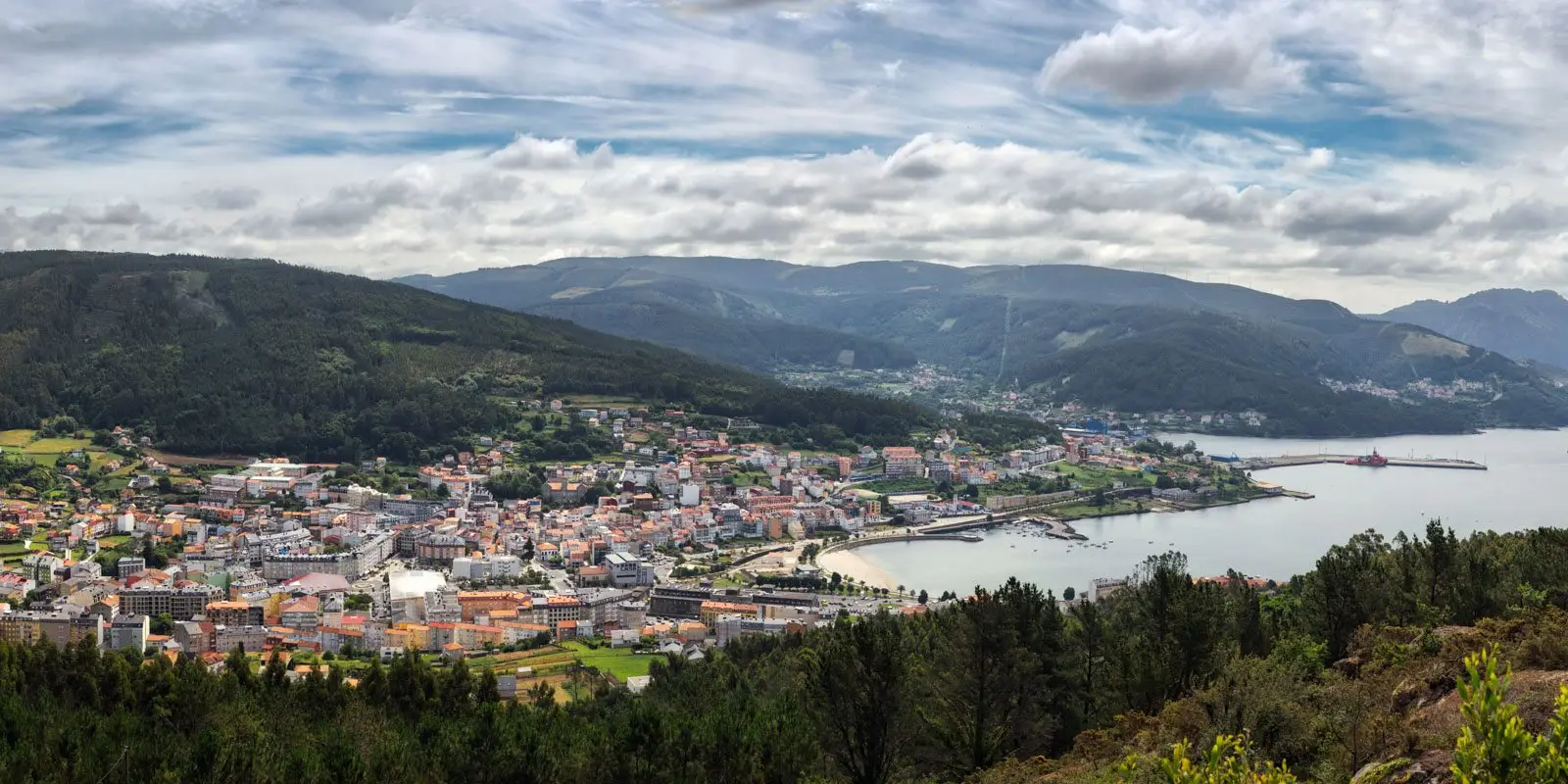
The town of Cee, which stands at the head of the Corcubión ría, has a long history that starts in the 12th century when Archbishop Diego Xelmírez made the archdeacon of Trastámara the administrator of an estate that included the parish of Santa María da Xunqueira. He then became the head of a small domain, separate from Corcubión, under the authority of the same archbishop. In the mid-18th century Catalan entrepreneurs came to the port and changed the system of fishing, which caused conflict with the local seafarers’ collectives. In the following century, in April 1809, the people of Cee endured attacks from French troops, who devastated the town and destroyed the parish church of Santa María da Xunqueira (dedicated to Saint Mary).
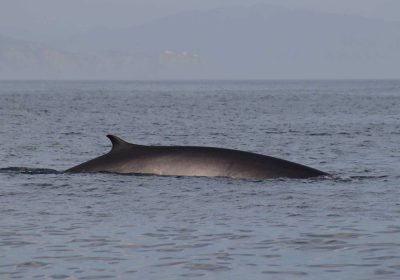
If, in its early years, the main activity of Cee, like the other coastal towns on Costa da Morte, was fishing and maritime trade, the creation of the Carburos de Brens factory at the beginning of the 20th century and the Caneliñas whaling factory in 1924 made it into the number-one industrial town in the west of Galicia. The former factory used electricity from the Ézaro hydroelectric plant and came to employ some 200 workers.
Today, Cee has become the most important economic and services centre in the south of Costa da Morte, especially since the opening of the Virxe de Xunqueira District Hospital.
Because this town lies on the Way of St. James from Santiago to Fisterra, visitors or pilgrims have several reasons for stopping in Cee, for its attractive historical, architectural and cultural heritage.
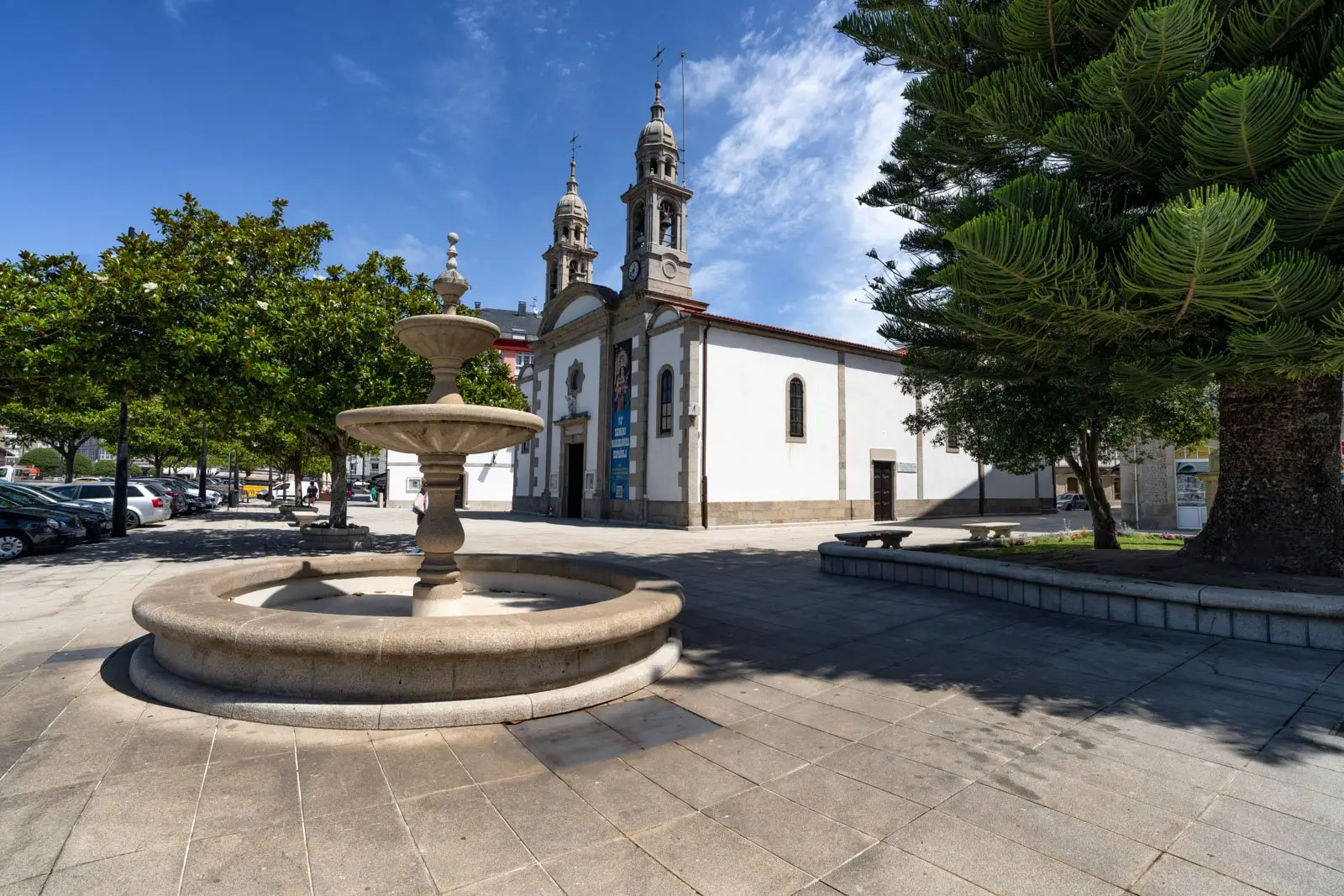
The route around town could begin at the church of Santa María de Xunqueira, a building that was originally Gothic but was remodelled in subsequent years. It still preserves its Mediaeval apse. The rest of the church corresponds to work done between the 17th century and the beginning of the 20th century. In its interior, there is an image of the Virxe da Xunqueira, or Our Lady of the Reeds, who received this name because legend says that she appeared on the banks amidst the reeds.
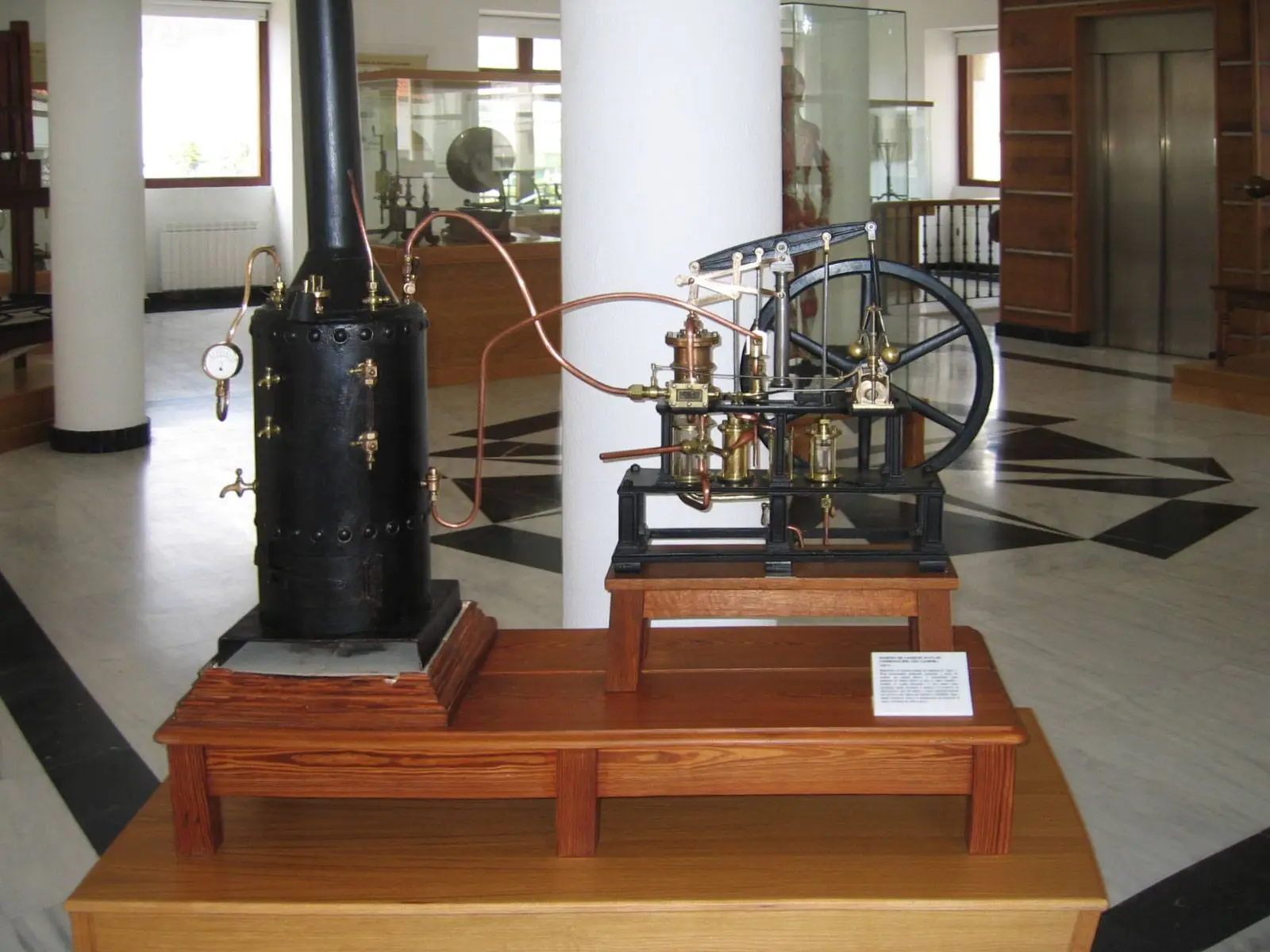
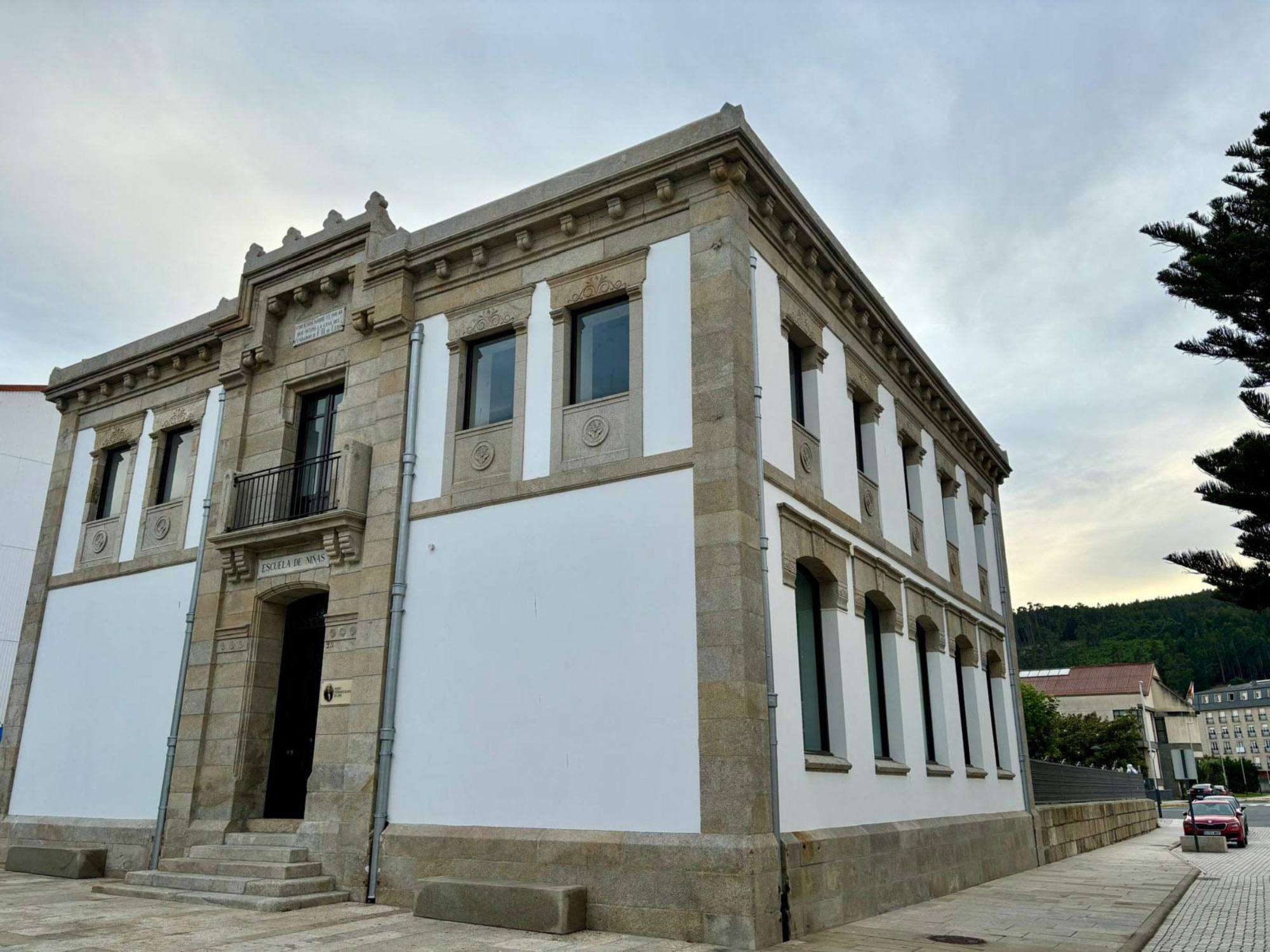
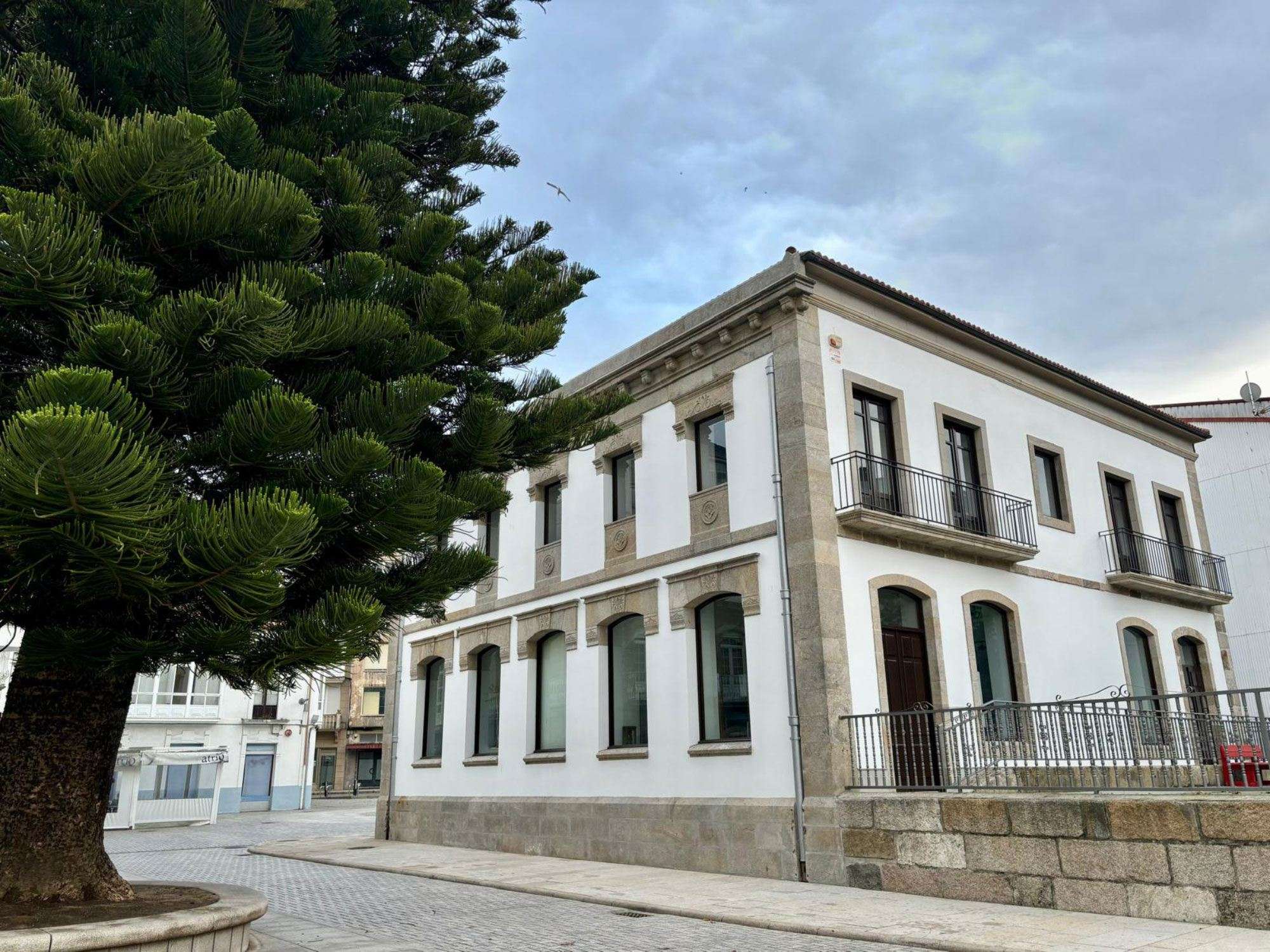
Close to the church is the Praza da Constitución square. At the entrance is the interesting Fundación Fernando Blanco museum. It houses a wide-ranging collection of scientific instruments and educational materials that belonged to the school created by the foundation and its collection of paintings. There are also some attractive houses built by the local bourgeoisie on this same square.
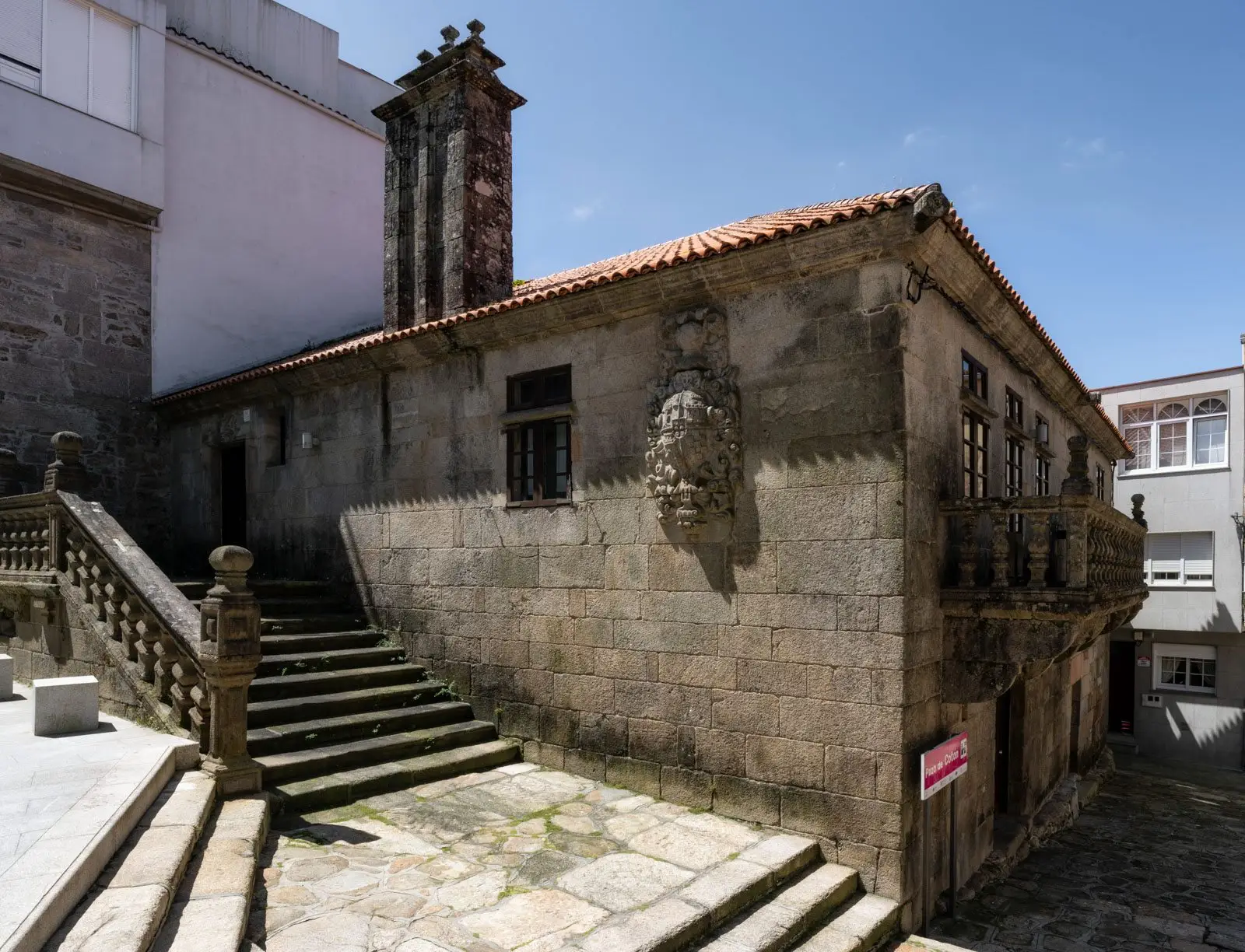
After this, it is a good idea to wander the streets of the historical centre and see Fonte Penín Square, where the Cotón manor house is located. This is an 18th century stately home, where the baroque style is visible in the coat of arms, door and balustrades.
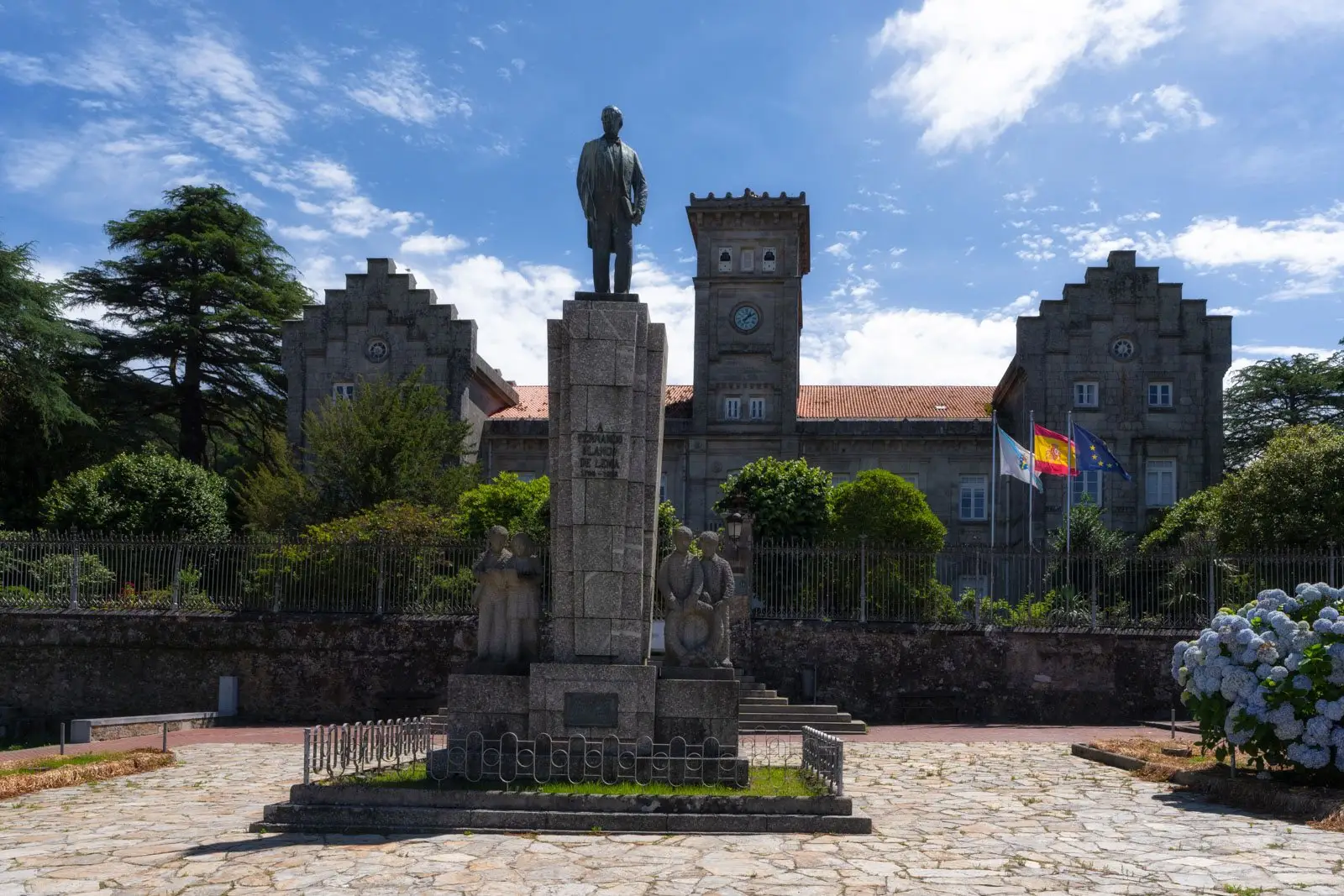
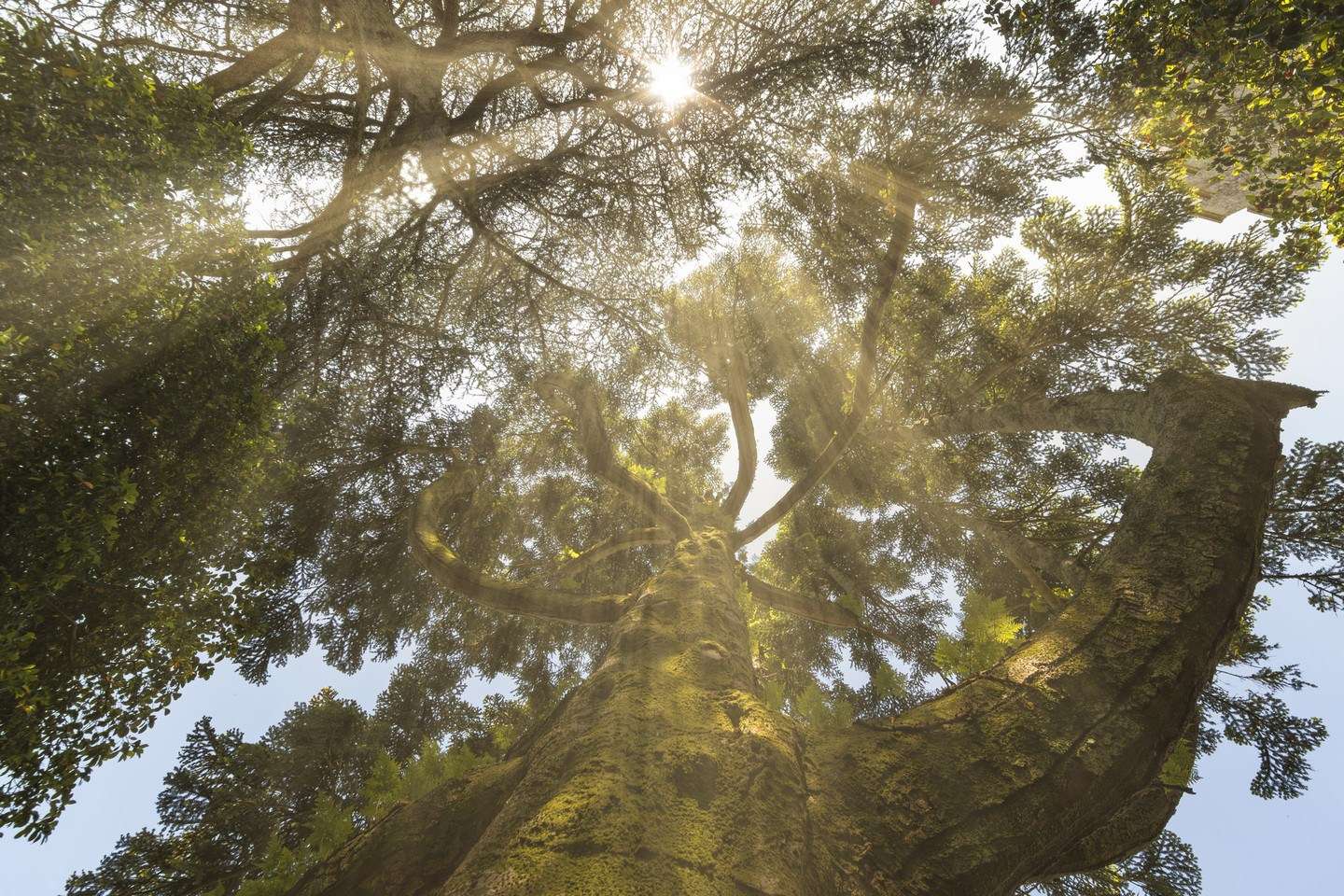
Also worthy of a visit is the Fundación Fernando Blanco building at the upper end of town, which was built with financial resources donated by this philanthropist, who made his fortune in Cuba. Another attraction, because of its variety of plants, is the garden around this building.
Another illustrious son of this town was the architect and sculptor Domingo Antonio de Andrade (1639-1712), one of major Baroque artists of Galicia and the master builder of the Santiago cathedral and the designer of its clock tower. He also worked on Lugo cathedral and the monastery of San Domingos de Bonaval.