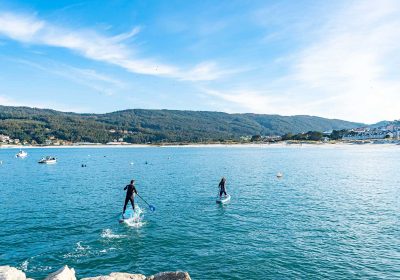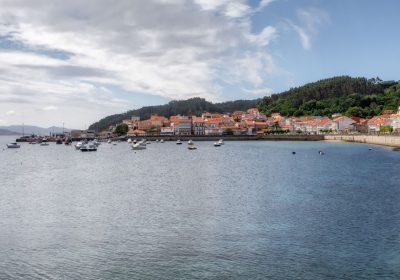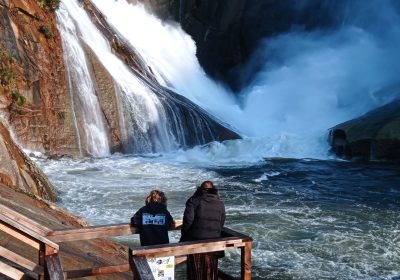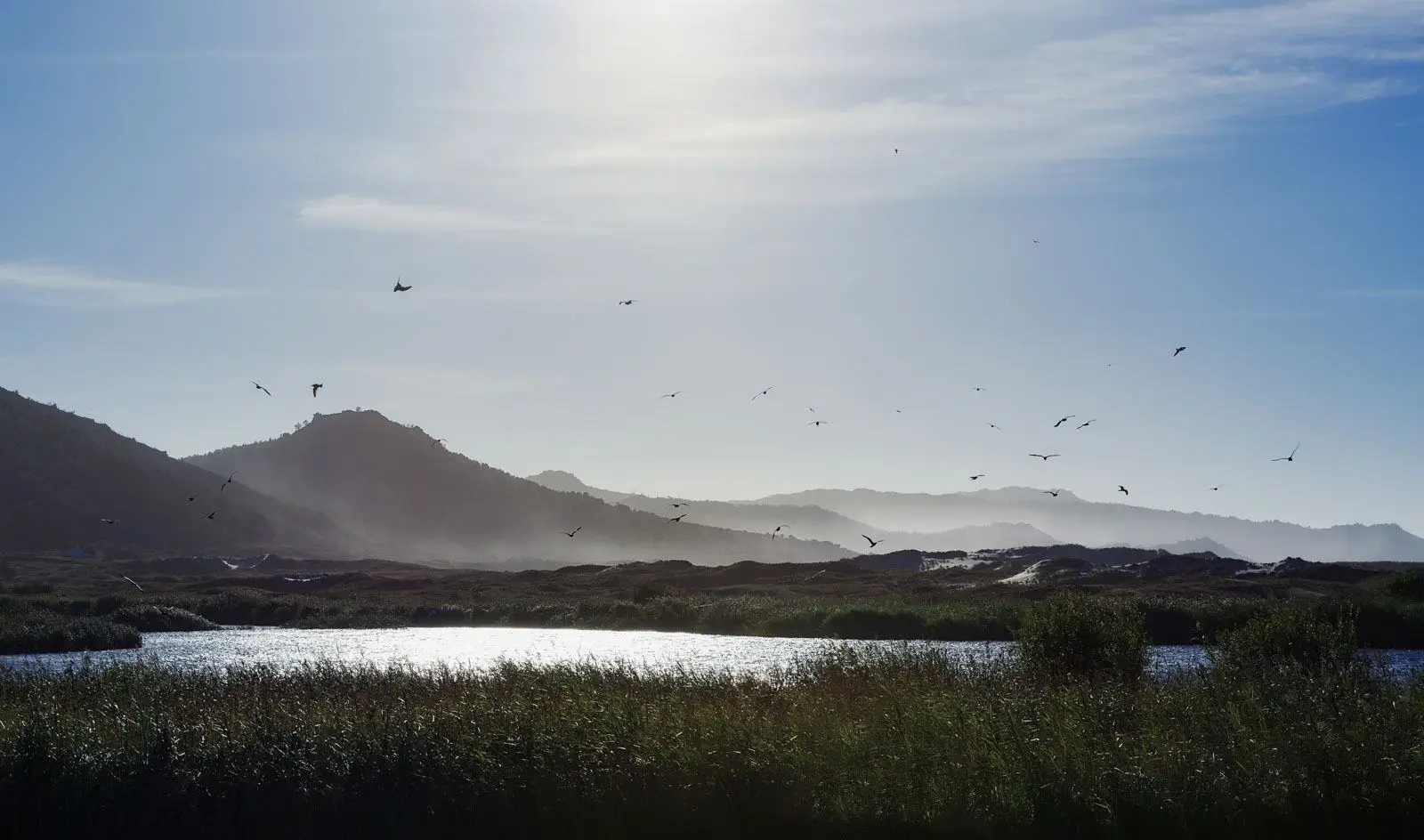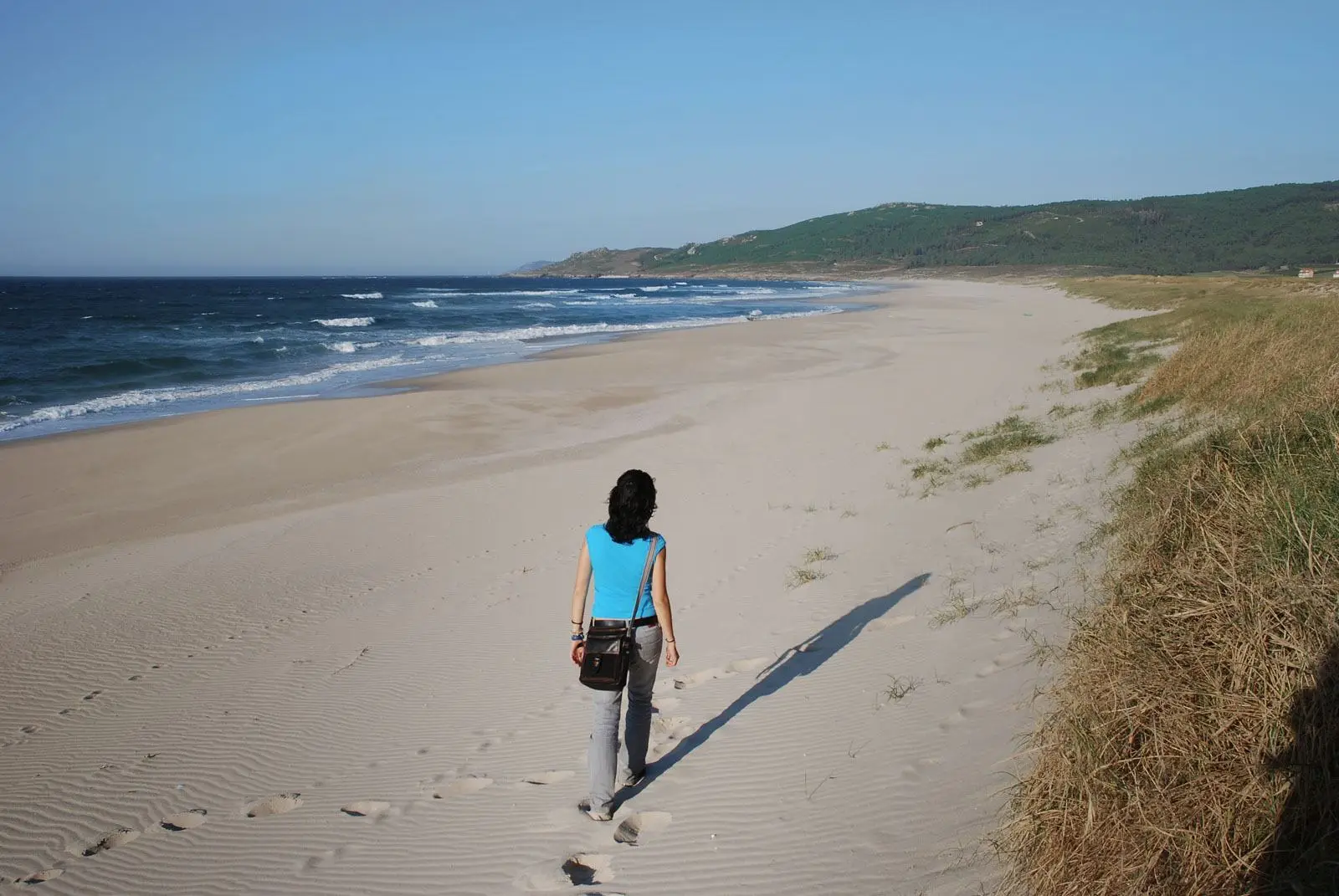


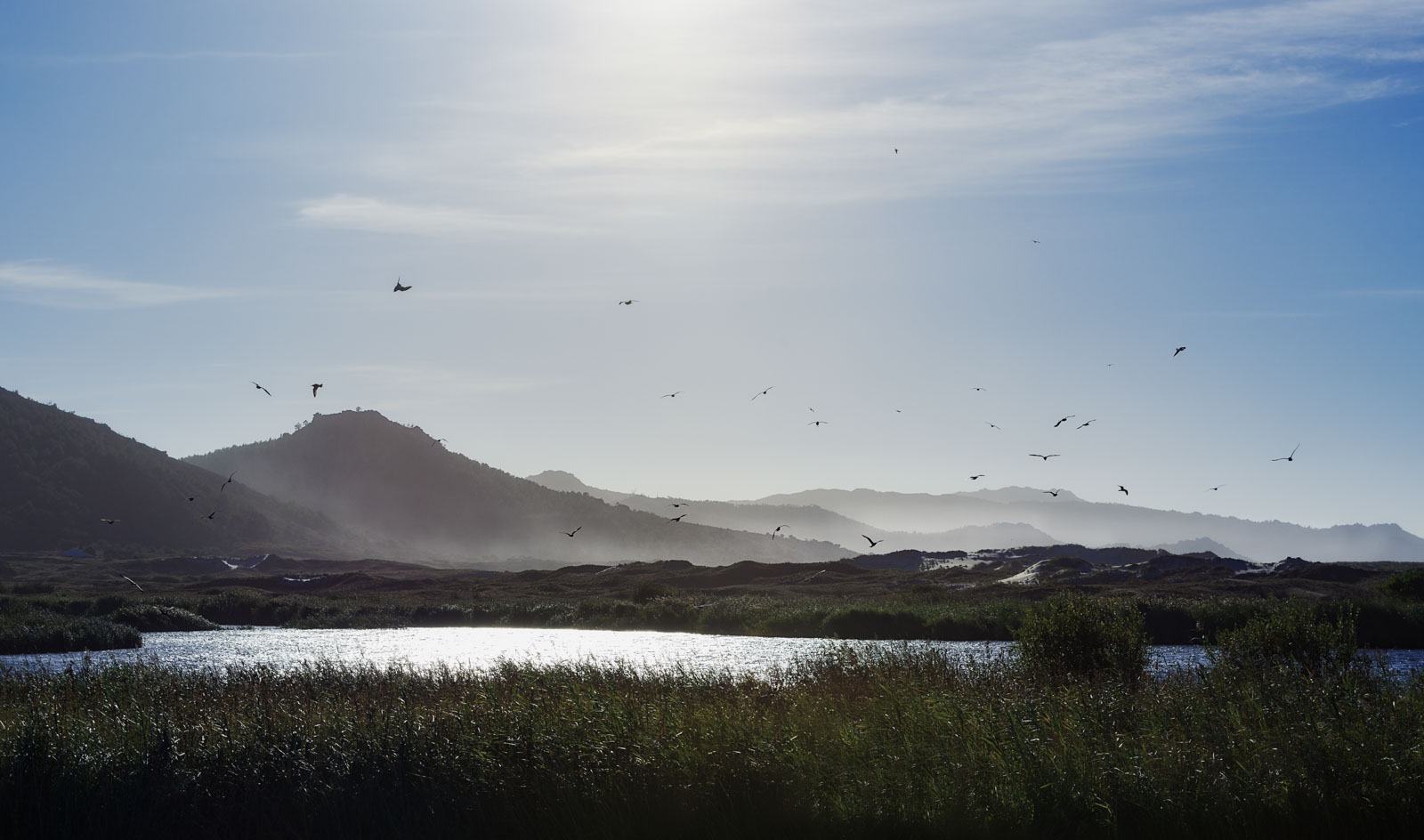
Along the coast of Costa da Morte you will come upon places with great environmental wealth and landscapes, true natural refuges for a variety of flora and fauna. The site of the Traba lagoon, dunes and beach in Traba de Laxe is one of these places of great ecological value, an extraordinary work created by nature over thousands of years that gives you the opportunity to enjoy it every day.
All these coastal features, beaches, dunes and lagoons, have a similar origin. From a deep inlet on the coast, into which a stream flows, the sediment brought down by this stream and the action of the sea currents will eventually form a beach shaped like an arrowhead, which will close off, either wholly or in part, the outlet for the river water, creating a coastal lagoon. This is what happened in Traba (Laxe), Baldaio, Louro and many other places on the coast of Galicia.
The sediment swept along by the river water will build up at the edges of this expanse of water and reduce its depth, fostering the growth of vegetation on the banks. The vegetation that grows around the lagoon will accelerate the drying process until the area containing water disappears.
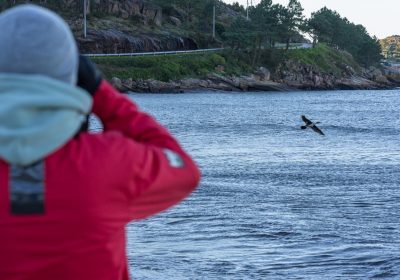
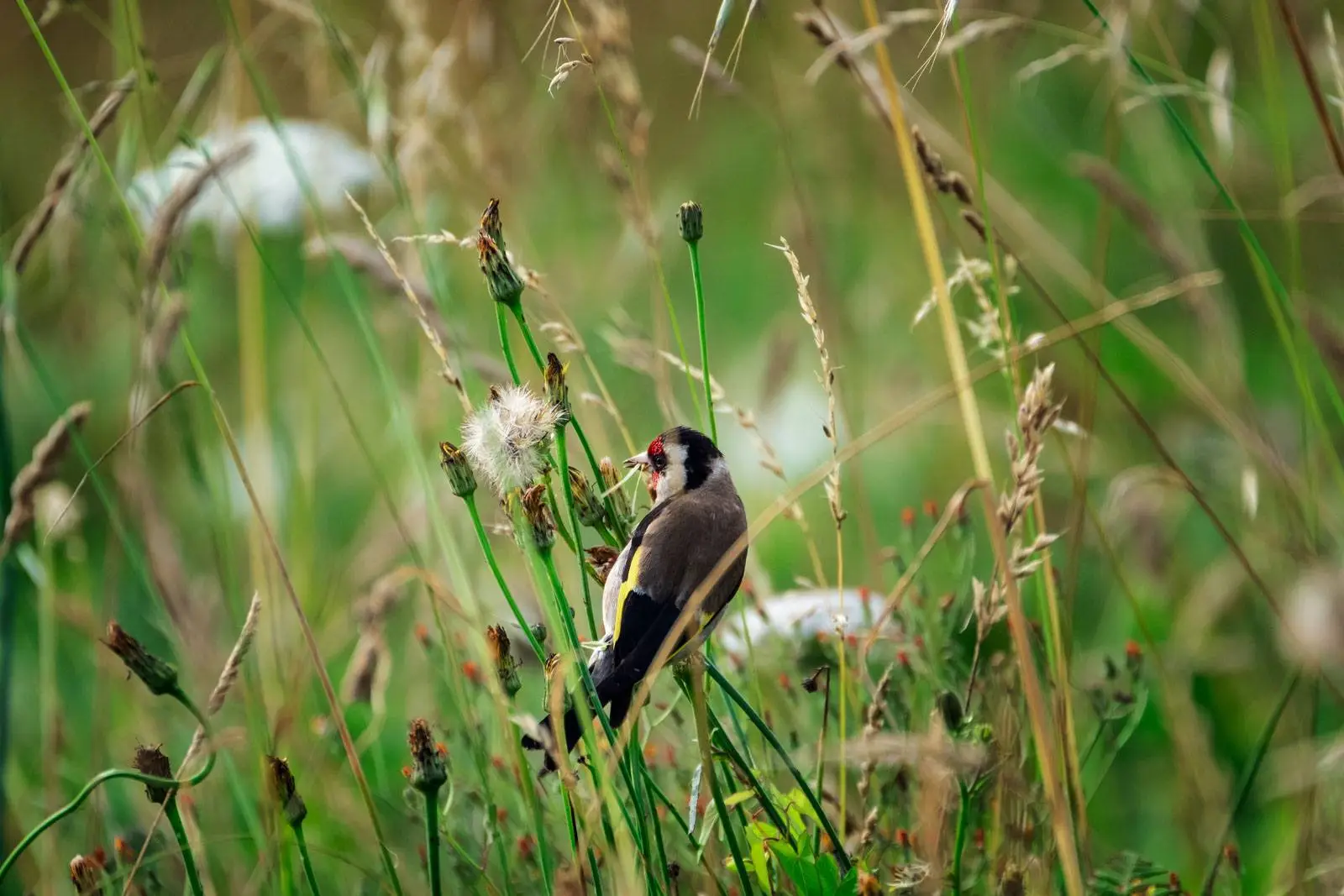
The natural area of Traba is home to varied and abundant vegetation and fauna. On the land bordering the lagoon grow reeds, cattails and other types of plant that have adapted to different environments, such as dunes and meadows. Various water birds in the Anatidae family live in the waters of the lagoon. Another wide variety of birds has its habitat on the beach, dunes and meadows.
The legend of a mythical submerged city grew around the coastal lagoons. The legend of the Traba lagoon tells how one day the Apostle James (Santiago, the patron saint of the parish) came to the town of Valverde seeking shelter but, after knocking on every door, no one in the town wanted to let him in; only one old lady offered him hospitality. The following day, the Apostle and this charitable woman went up to the Moa rocks and, when they got there, they looked back and saw that the town was disappearing under the waters of the lagoon.
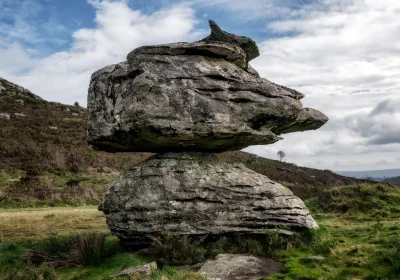
From the lagoon, looking south, there is a magnificent panorama of the Traba rocks, a group of granite ridges that stand out above the hills surrounding the valley. Among all these high points, the ones that stand out are the Torre da Moa, a peak topped by an enormous round boulder, and, further off, the Galla da Pena Forcada.
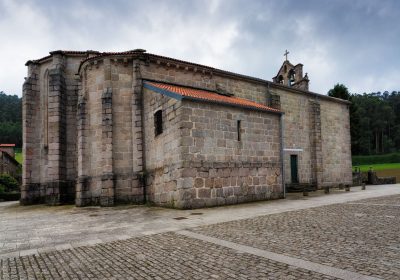
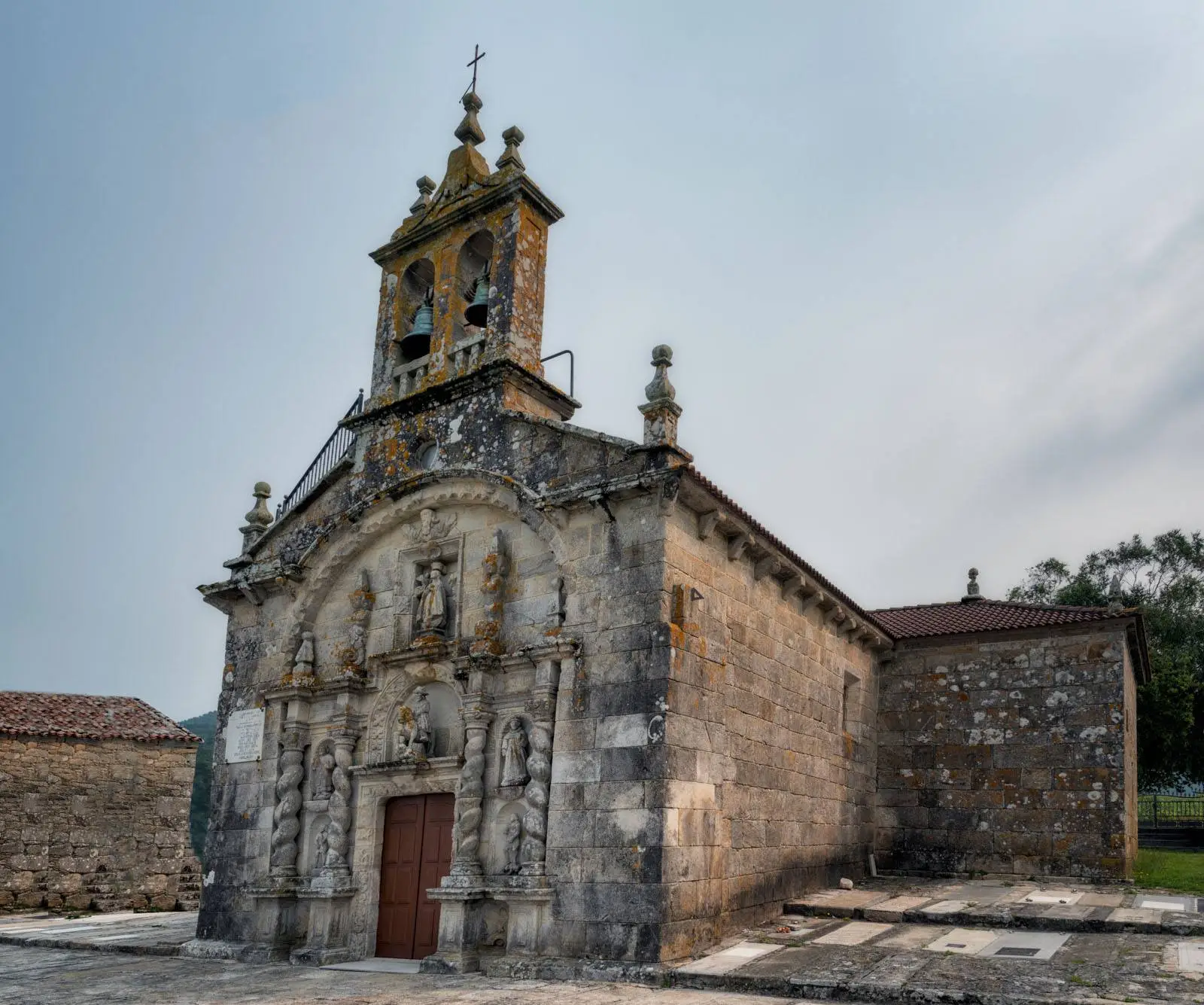
On a visit to the Traba valley, you should also stop to see the parish church of Santiago, which has preserved its Romanesque structure and contains a magnificent baroque façade-altarpiece from the beginning of the 18th century, over which its patron saint presides, mounted on a horse.