CEE, THE FIRST INDUSTRIAL TOWN ON COSTA DA MORTE

Let yourself be carried along by Cee through “CEE, THE FIRST INDUSTRIAL TOWN ON COSTA DA MORTE”. A short read with substance: it puts you on the map and in its time. Tip: look out for costa.
150. Vila de Cee 1.jpg

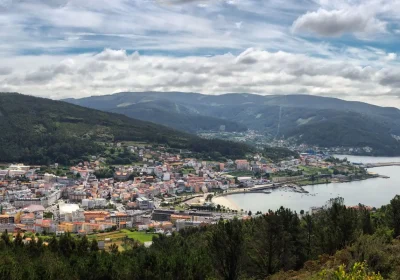
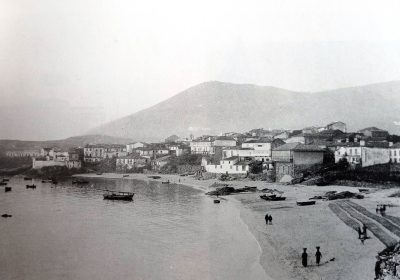
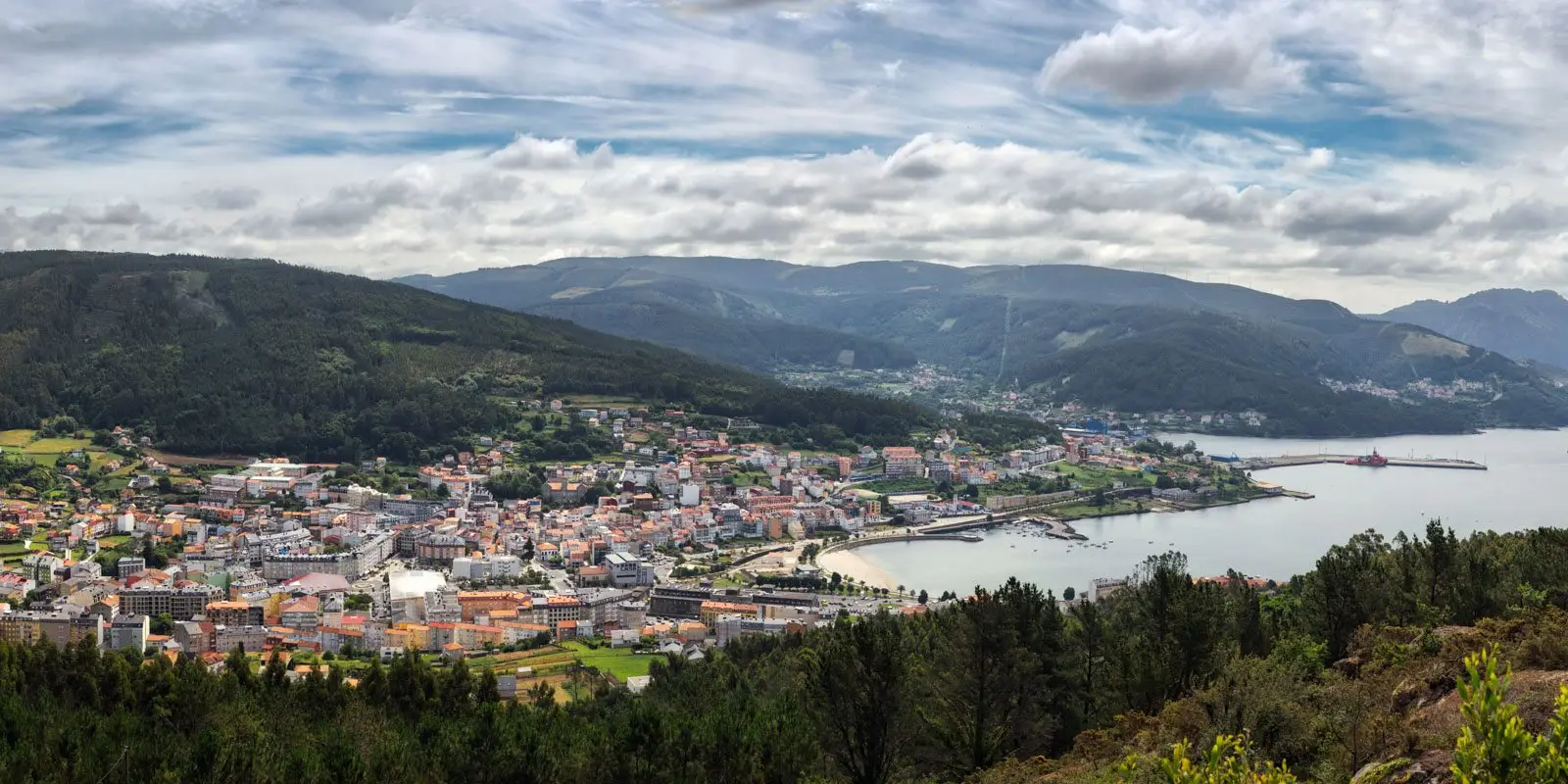
The town of Cee, which stands at the head of the Corcubión ría, has a long history that starts in the 12th century when Archbishop Diego Xelmírez made the archdeacon of Trastámara the administrator of an estate that included the parish of Santa María da Xunqueira. He then became the head of a small domain, separate from Corcubión, under the authority of the same archbishop. In the mid-18th century Catalan entrepreneurs came to the port and changed the system of fishing, which caused conflict with the local seafarers’ collectives. In the following century, in April 1809, the people of Cee endured attacks from French troops, who devastated the town and destroyed the parish church of Santa María da Xunqueira (dedicated to Saint Mary).

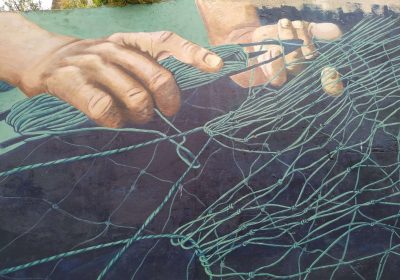
If, in its early years, the main activity of Cee, like the other coastal towns on Costa da Morte, was fishing and maritime trade, the creation of the Carburos de Brens factory at the beginning of the 20th century and the Caneliñas whaling factory in 1924 made it into the number-one industrial town in the west of Galicia. The former factory used electricity from the Ézaro hydroelectric plant and came to employ some 200 workers.

Today, Cee has become the most important economic and services centre in the south of Costa da Morte, especially since the opening of the Virxe de Xunqueira District Hospital.

Because this town lies on the Way of St. James from Santiago to Fisterra, visitors or pilgrims have several reasons for stopping in Cee, for its attractive historical, architectural and cultural heritage.

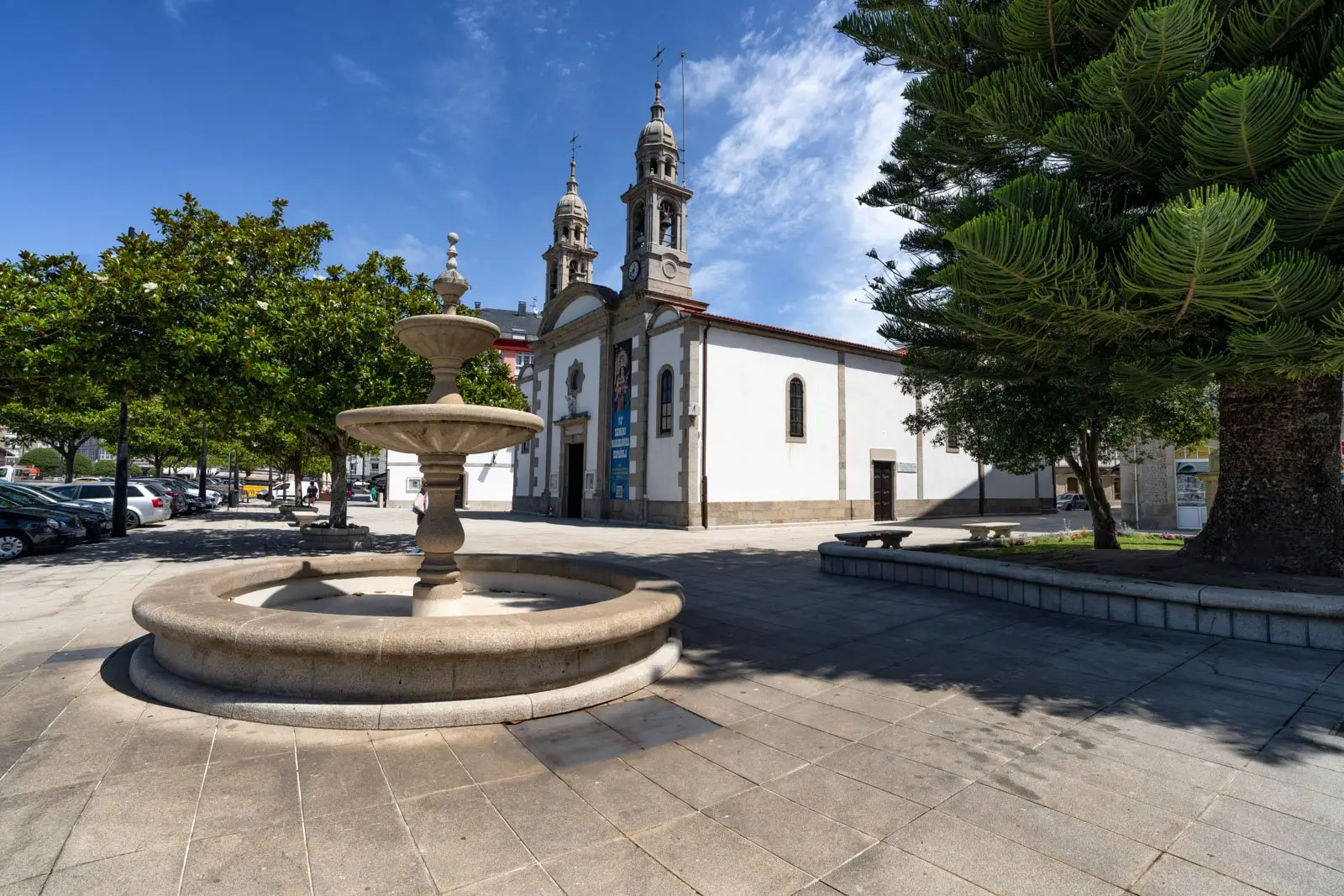
The route around town could begin at the church of Santa María de Xunqueira, a building that was originally Gothic but was remodelled in subsequent years. It still preserves its Mediaeval apse. The rest of the church corresponds to work done between the 17th century and the beginning of the 20th century. In its interior, there is an image of the Virxe da Xunqueira, or Our Lady of the Reeds, who received this name because legend says that she appeared on the banks amidst the reeds.

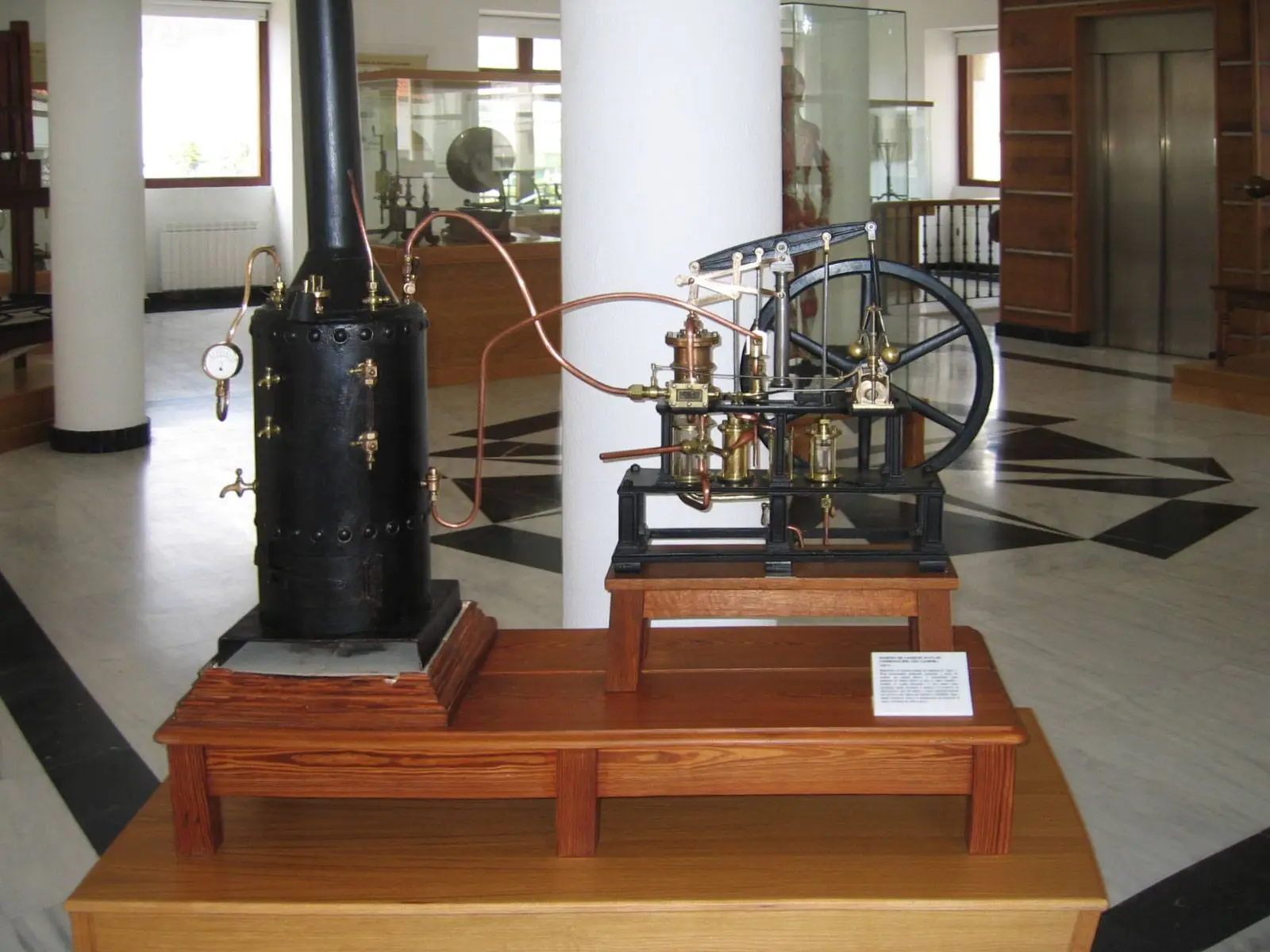
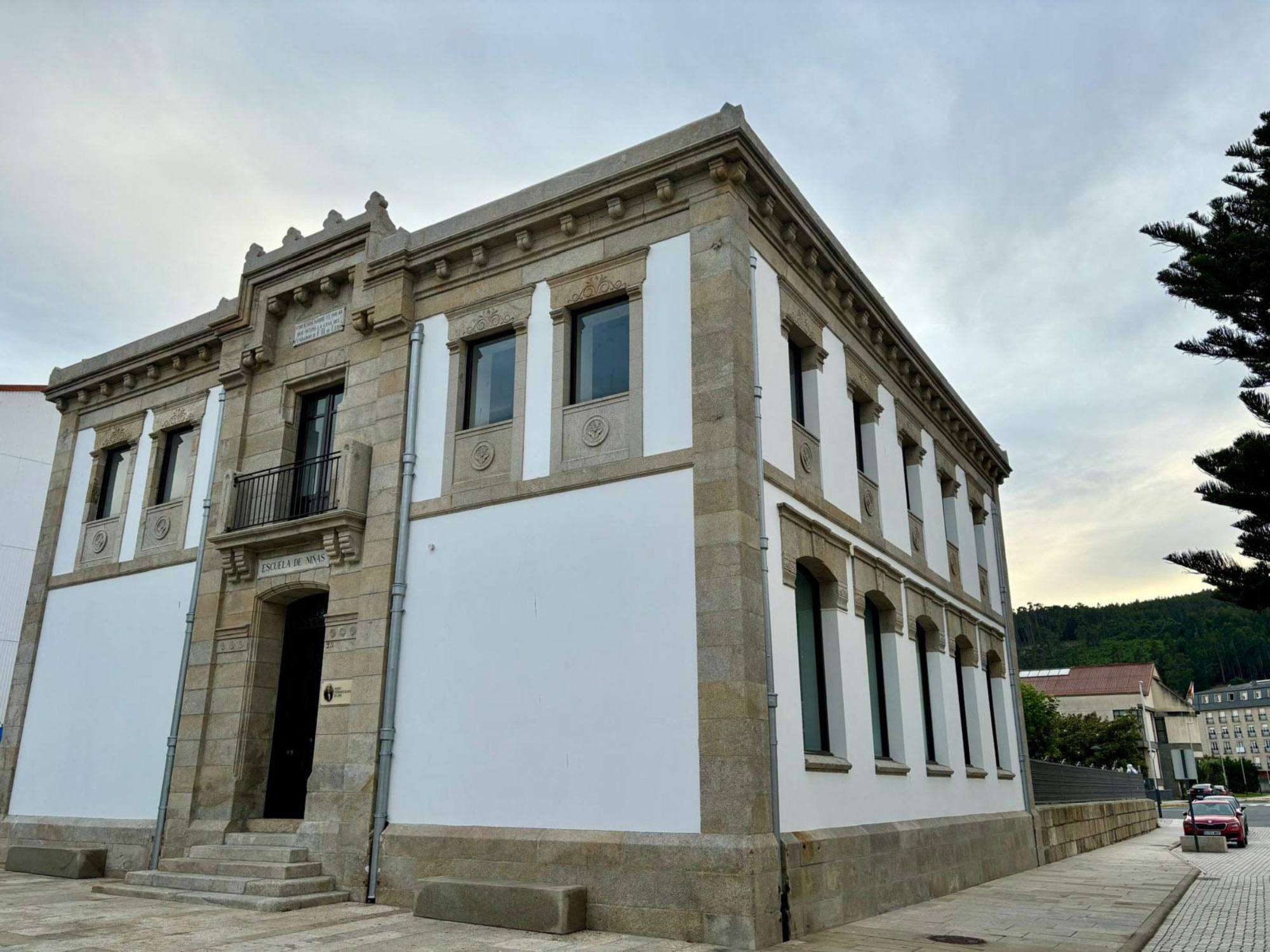
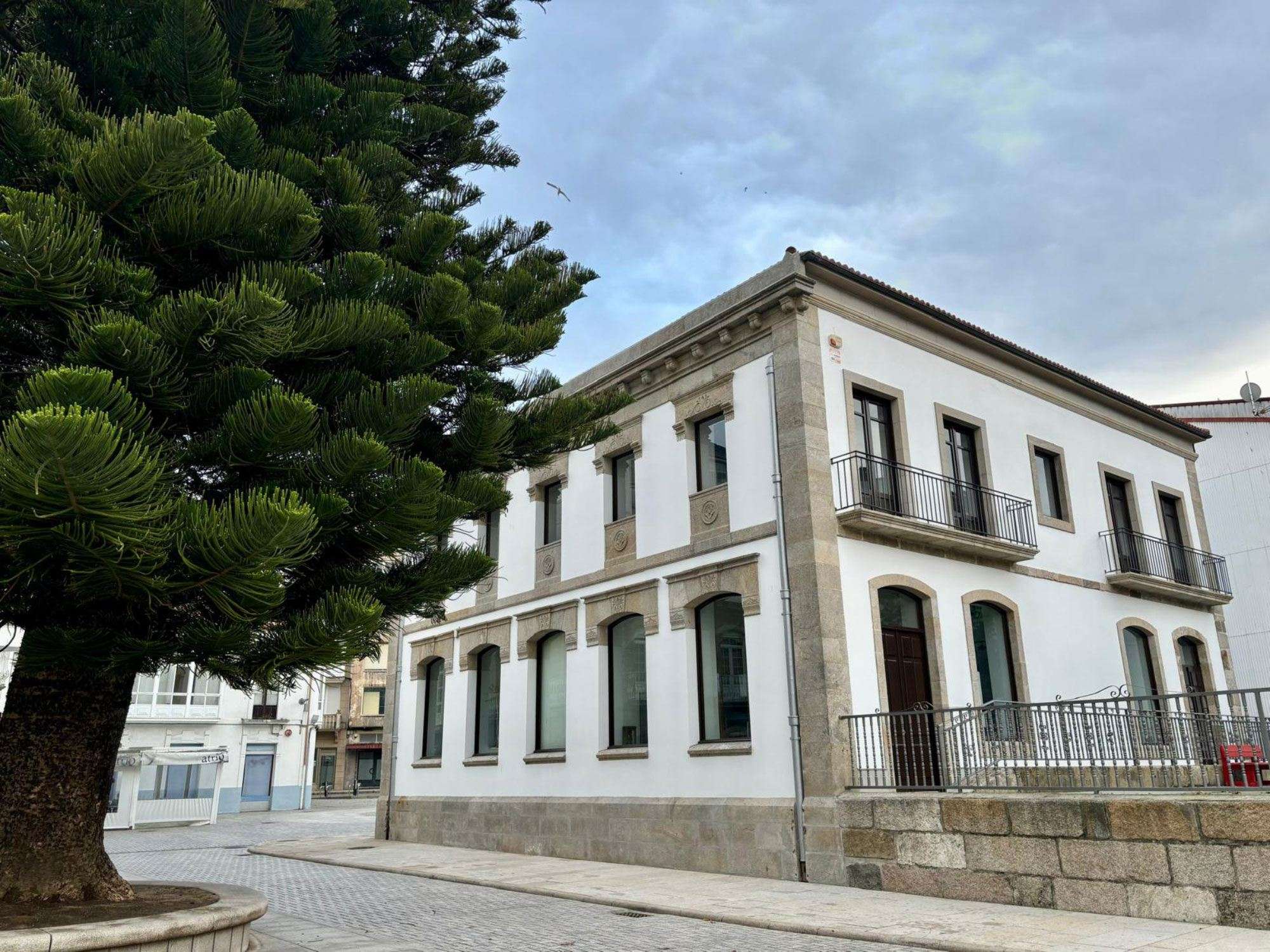
Close to the church is the Praza da Constitución square. At the entrance is the interesting Fundación Fernando Blanco museum. It houses a wide-ranging collection of scientific instruments and educational materials that belonged to the school created by the foundation and its collection of paintings. There are also some attractive houses built by the local bourgeoisie on this same square.

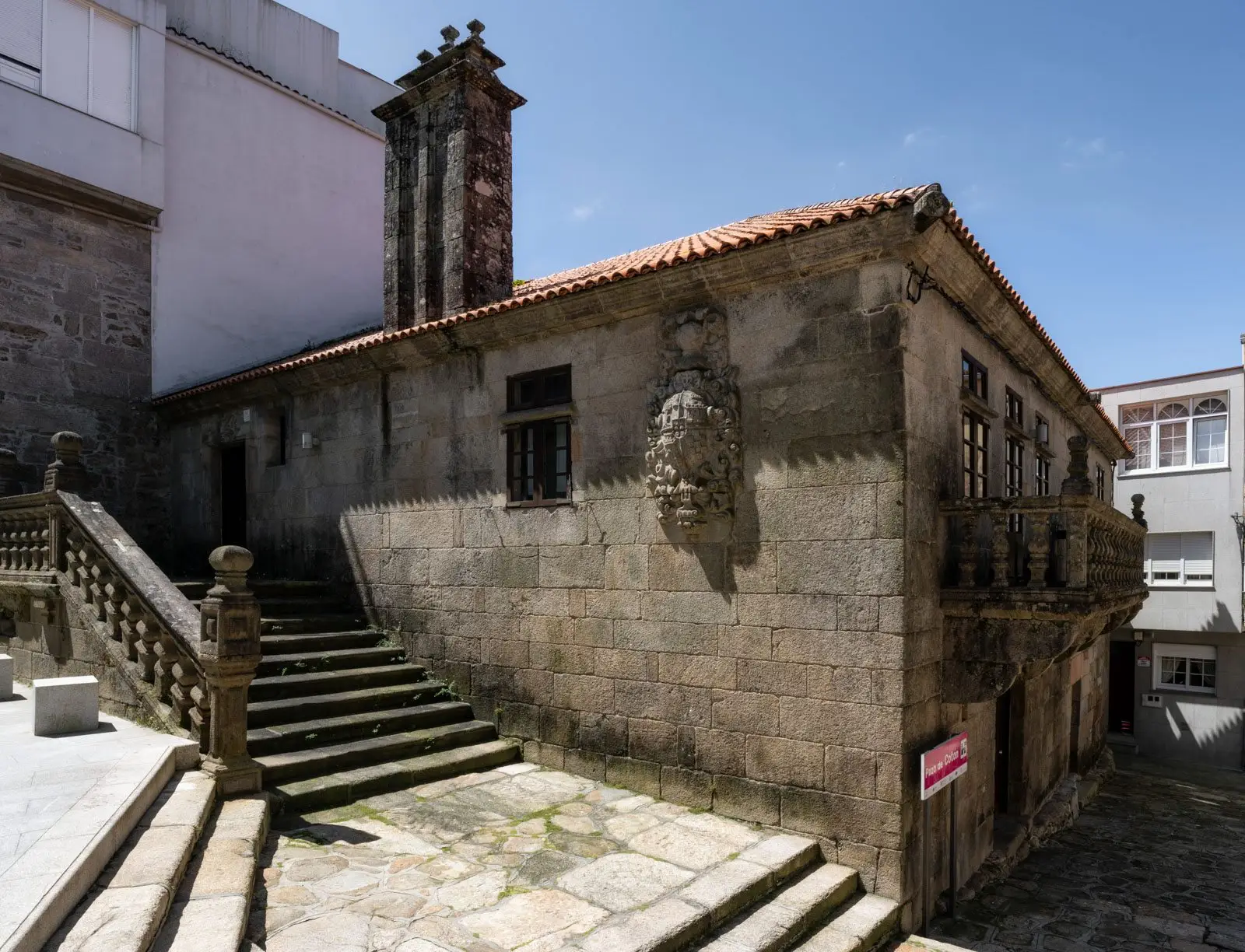
After this, it is a good idea to wander the streets of the historical centre and see Fonte Penín Square, where the Cotón manor house is located. This is an 18th century stately home, where the baroque style is visible in the coat of arms, door and balustrades.

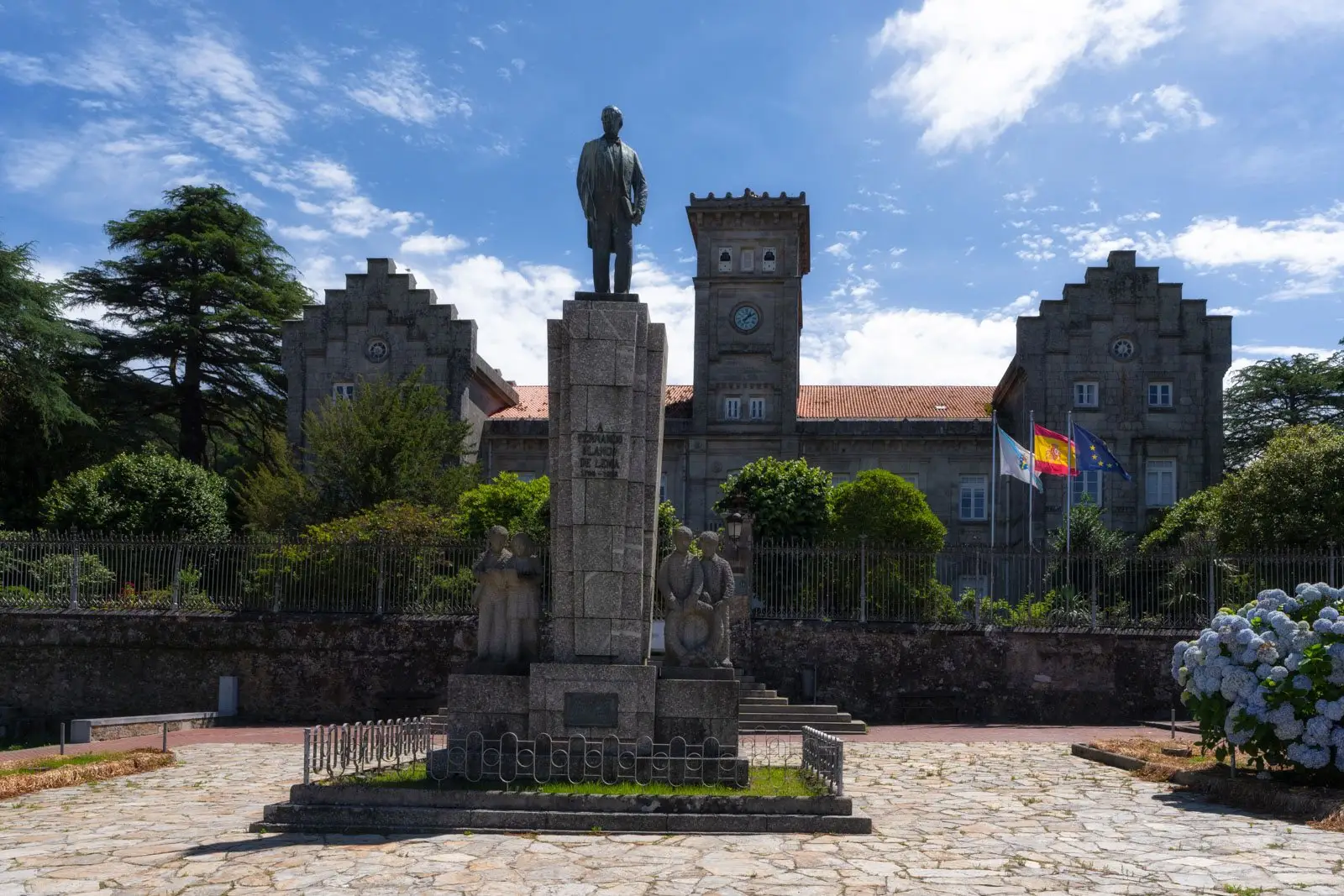
Also worthy of a visit is the Fundación Fernando Blanco building at the upper end of town, which was built with financial resources donated by this philanthropist, who made his fortune in Cuba. Another attraction, because of its variety of plants, is the garden around this building.

Another illustrious son of this town was the architect and sculptor Domingo Antonio de Andrade (1639-1712), one of major Baroque artists of Galicia and the master builder of the Santiago cathedral and the designer of its clock tower. He also worked on Lugo cathedral and the monastery of San Domingos de Bonaval.
Photo gallery of CEE, THE FIRST INDUSTRIAL TOWN ON COSTA DA MORTE

Discover the Costa da Morte on our blog

Blog Costa da Morte

Whale watching on the Costa da Morte: a unique experien...

There are moments when nature gives us spectacles that are impossible to forget. One of them is to contemplate a whale s...

Easter 2026 on the Costa da Morte: Best Things to See a...

Easter 2026 on the Costa da Morte is one of the best times of the year to discover this Atlantic corner of Galicia. At t...

TEARING DOWN WALLS WITH PAINT, A PROJECT TO HEAL THE WO...

The town of Carballo was established on the right bank of the river Anllóns in the first half of the 18th century after ...

PASARELA AND TRABA ROCKS, A NATURAL OPEN-AIR MUSEUM

To understand the importance and value of the Pasarela and Traba rocks, it is necessary to understand how this granite c...

Festivities and traditional events on the Costa da Mort...

If there is one thing that defines the Costa da Morte, apart from its wild landscapes and untamed sea, it is its strong ...

CARNOTA, PLENTY OF LIFE BY THE SEA

From Caldebarcos Point in the north to Remedios Point in the south is a great sandy coastal arc resulting from the lowla...

BRANDOMIL, THE LARGEST ROMAN SETTLEMENT ON COSTA DA MOR...

It has been said that in the west of Galicia, such as Costa da Morte, the amount of Roman influence was very slight; how...

LIRES, A HAVEN OF PEACE FROM FISTERRA TO MUXÍA

Between the southern end of the Nemiña beach and Mellón Point, the small Lires ría meets the ocean. In fact, it is the m...

CARNOTA'S HÓRREO, ARTISTIC BEAUTY IN A HUMBLE GRANARY

No other building exists that identifies the landscape of Galicia like the hórreo, the stone granary. As soon as you go ...

Tourist Information Points in Costa da Morte 2025: your...

Planning your holiday on the Costa da Morte? With the 2025 Guide to Tourist Information Points in Costa da Morte, you’ll...

Upcoming events on the Costa da Morte

Find out instantly what activities await you on the Costa da Morte. Here you will find an up-to-date list of concerts, fairs, guided tours and shows that take place on the Costa da Morte. Don’t miss any event: experience the culture, sport and tradition of our region. And if you want to find out before anyone else, sign up for our newsletter and you will receive all the news in your email.

  • Wednesday
    1
    July

    Stories Around the Fir...

    Vimianzo Castle will host “Stories Around the Fire”, a storytelling se...

  • Wednesday
    1
    July

    Here Comes Summer! Dum...

    Here Comes Summer! Dumbría Libraries is a programme of activities for ...

  • Thursday
    2
    July

    XLI Mostra da Olería d...

    The XLI Mostra da Olería de Buño 2026 will take place from 30 July to ...

Logo Cmat Color Fondo Transparente
Privacy Overview

This website uses cookies so that we can provide you with the best user experience possible. Cookie information is stored in your browser and performs functions such as recognising you when you return to our website and helping our team to understand which sections of the website you find most interesting and useful.