MALPICA, MY LOVE…

Let yourself be carried along by Malpica De Bergantiños through “MALPICA, MY LOVE…”. If you care about local identity, this chapter will hook you. Tip: look out for malpica.
38. Porto e vila de Malpica

The sea builds character, but if that sea is as violent as in Costa da Morte and the piece of land on which one lives is completely impregnated with salt, the sense of belonging is even greater. One example of this passion for one’s native land is expressed in this folk song from Malpica:

Malpica dos meus amores, (Malpica, my love,)
o rei te quixo vender, (the king wanted to sell you,)
para mercar a Malpica, (buy, to buy Malpica,)
moito diñeiro hai que ter. (you’d need a lot of money.)

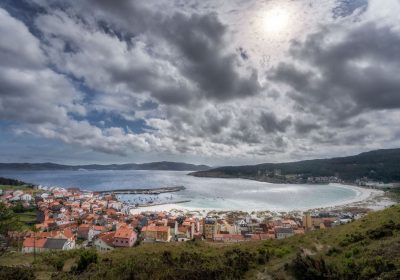
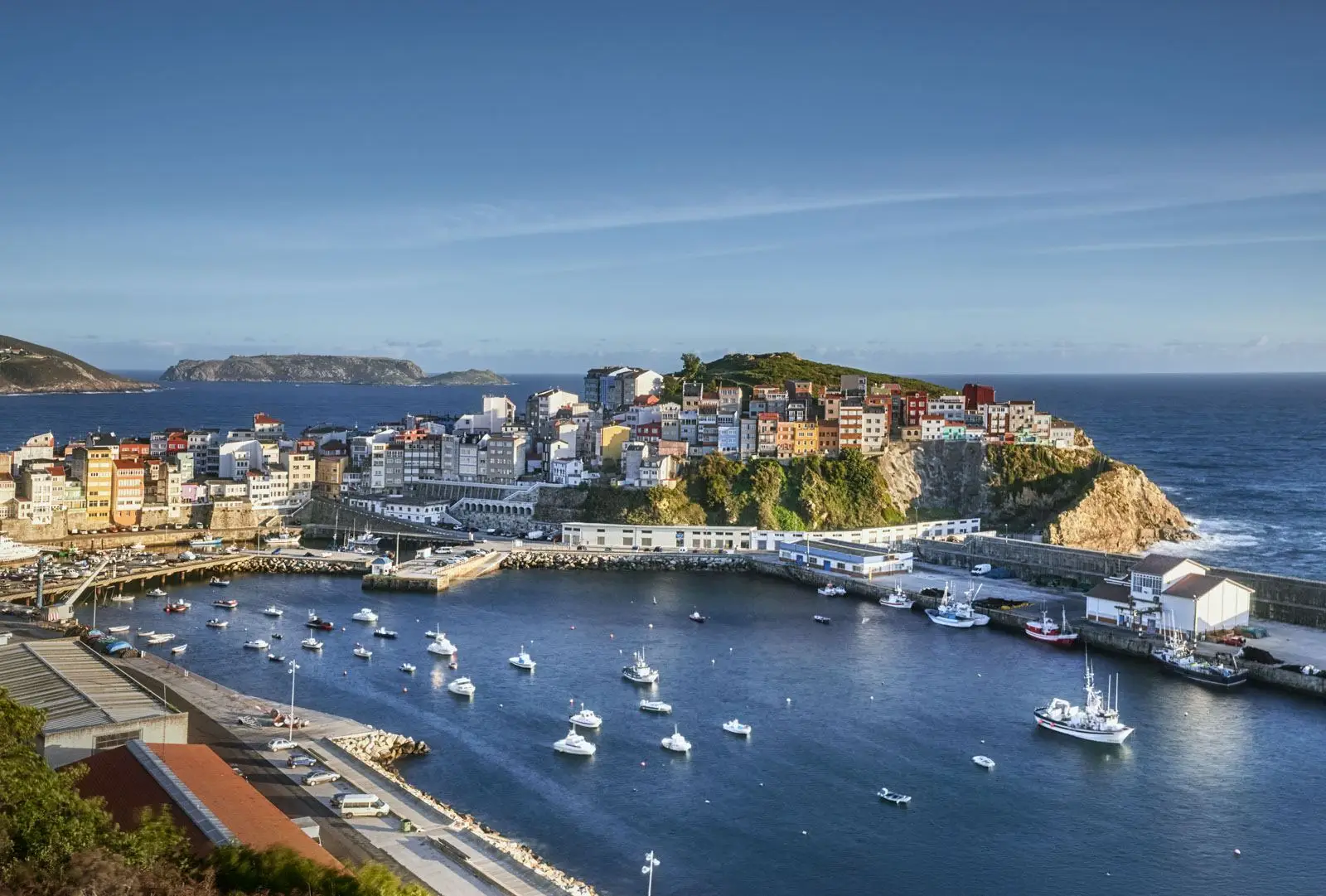
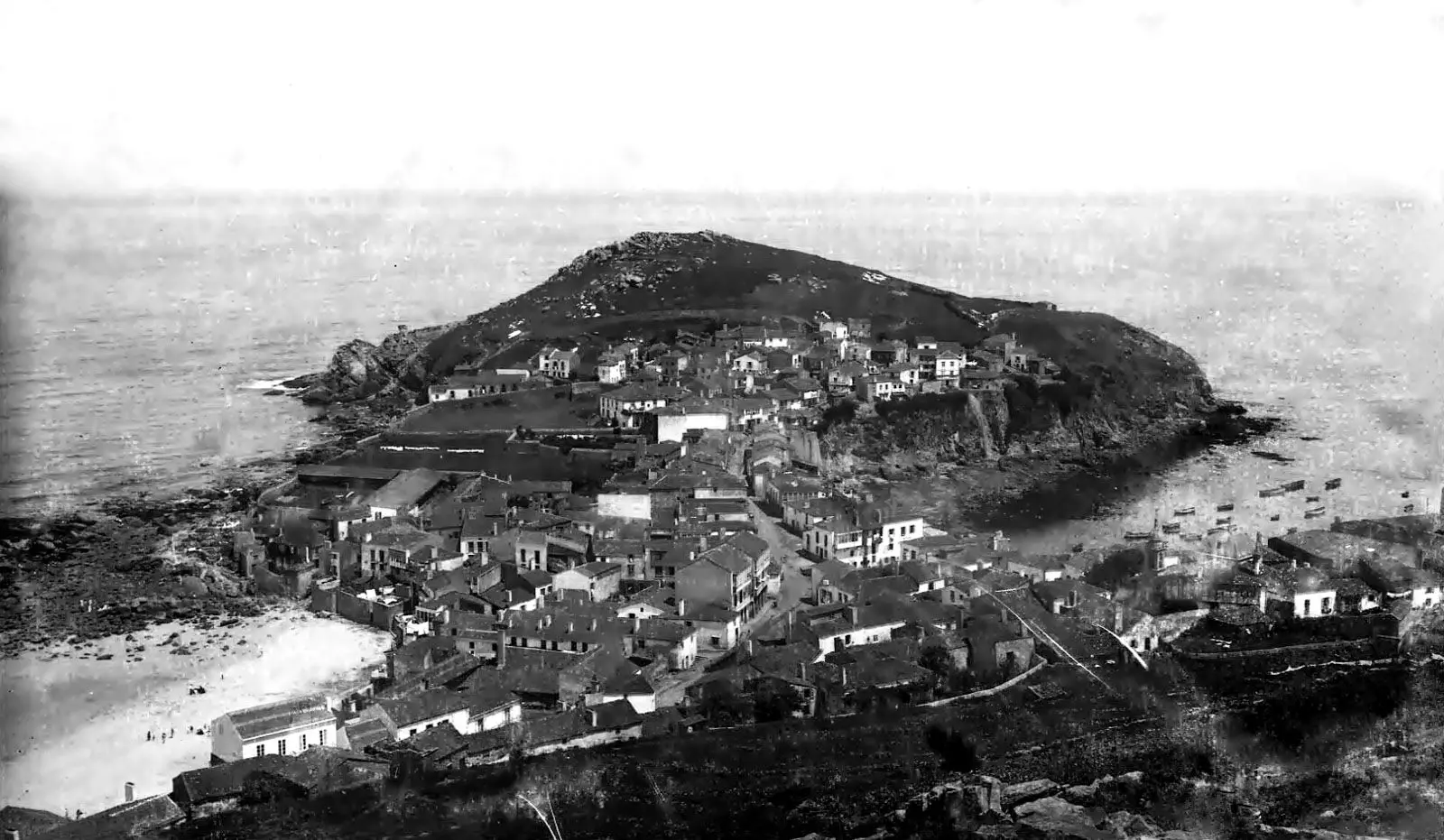
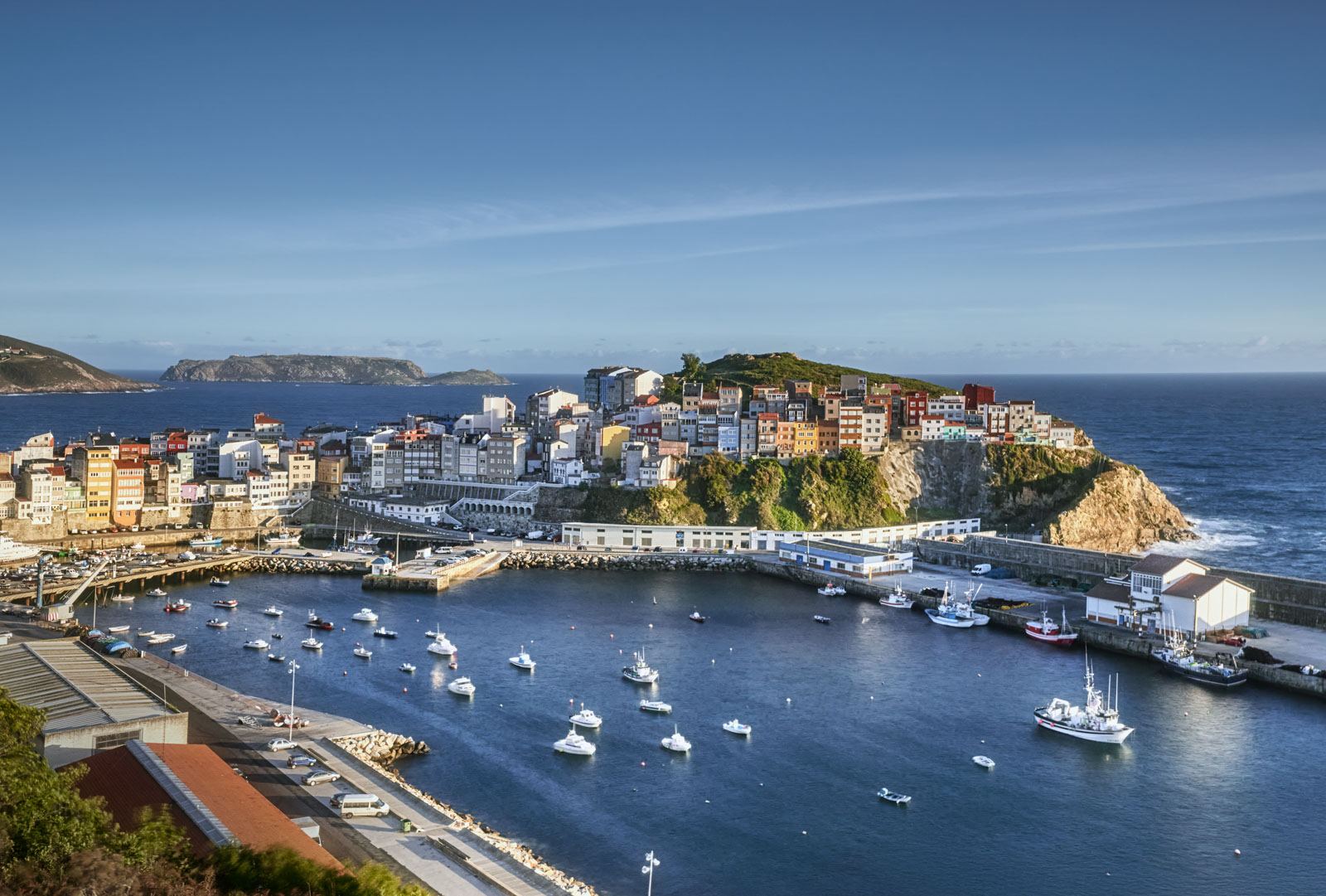
Malpica is one of those towns born from the sea. Its first inhabitants had no other means of subsistence than the sea, but they also had to withstand the adversities of an unprotected area where the sea and wind are rarely calm. To thrive in this harsh environment, the people of Malpica built their houses close together, in the shelter of the Monte da Atalaia.

The origins of the town of Malpica lie with the establishment of a whaling base, an activity practised since the Middle Ages by Asturian and Basque fishermen, who came to this coast in winter. Licenciado Molina documented mid-16th century whaling and told of its benefits: “This fishing is of great value because a whale, even if small, gives two arrobas (23 kilos) or two cántaras (16-litre jugs) of oil, which is used for everything that olive oil is used for, except eating.”

Whaling declined in the 18th century and was replaced by fishing for sardines or conger eels. A number of sardine salting factories were established here, and conger eels were cured by the north-easterly winds before being exported inland in the Iberian Peninsula.

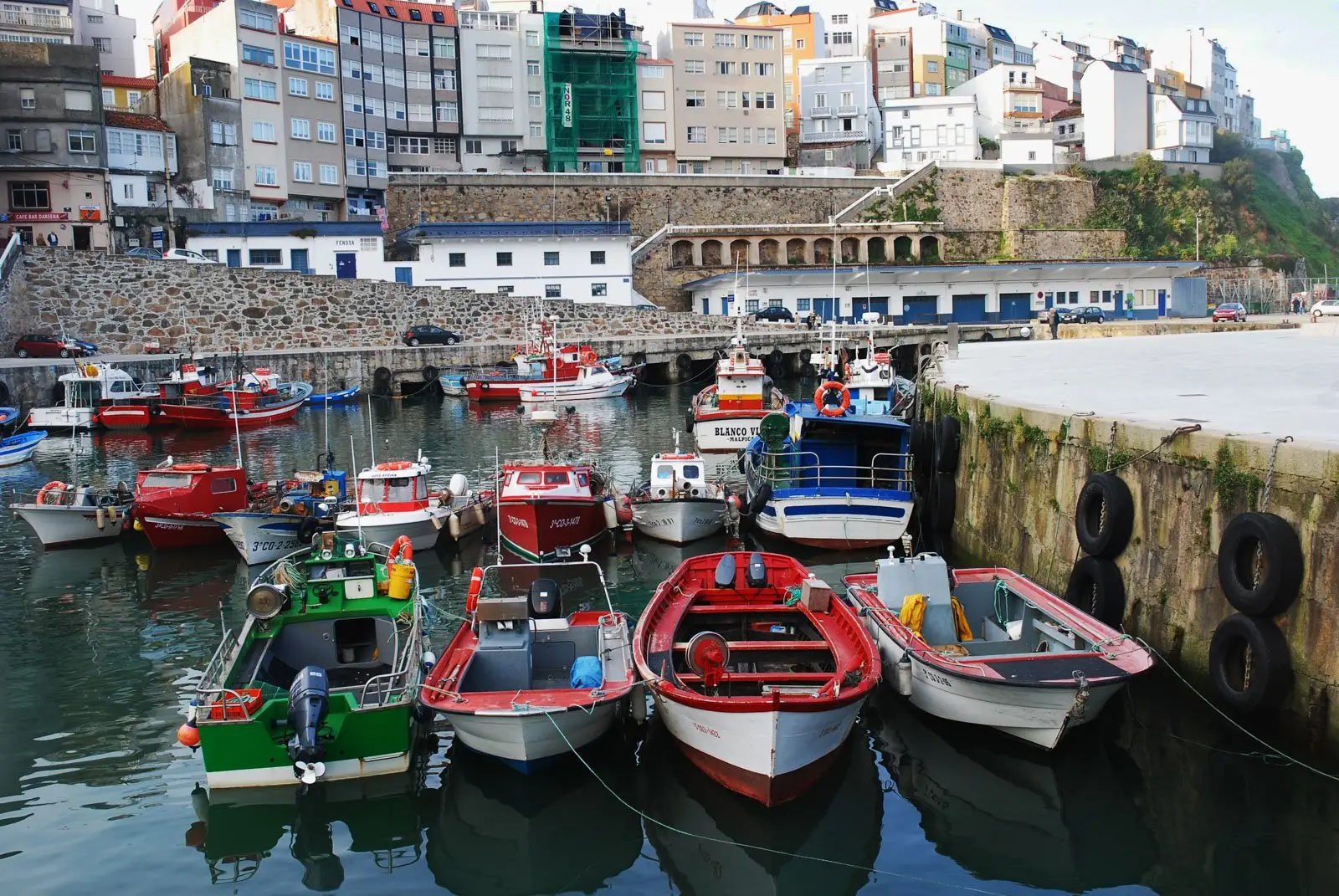
The Malpican fishermen always had to struggle against the heavy seas, which beat against the boats unrelentingly, so that their major concern was to try to find protection for the fleet. Before having protection, in the wintertime they had to pull their boats up onto the streets of the town. Eventually, the first sea dike and a dock were built, port facilities that were later improved.

The backbone of the historical centre of Malpica was Rua Eduardo Vila Fano. A network of narrow streets fanned out from the main street to form the old town centre where there were one- or two-storey houses with granite walls and local tile roofs. Some had an open or enclosed balcony. This Malpica was preserved with very few changes up to the 1960s. It was described so well by the Andalusian writer José Mas in his novel La Costa de la Muerte (1928).

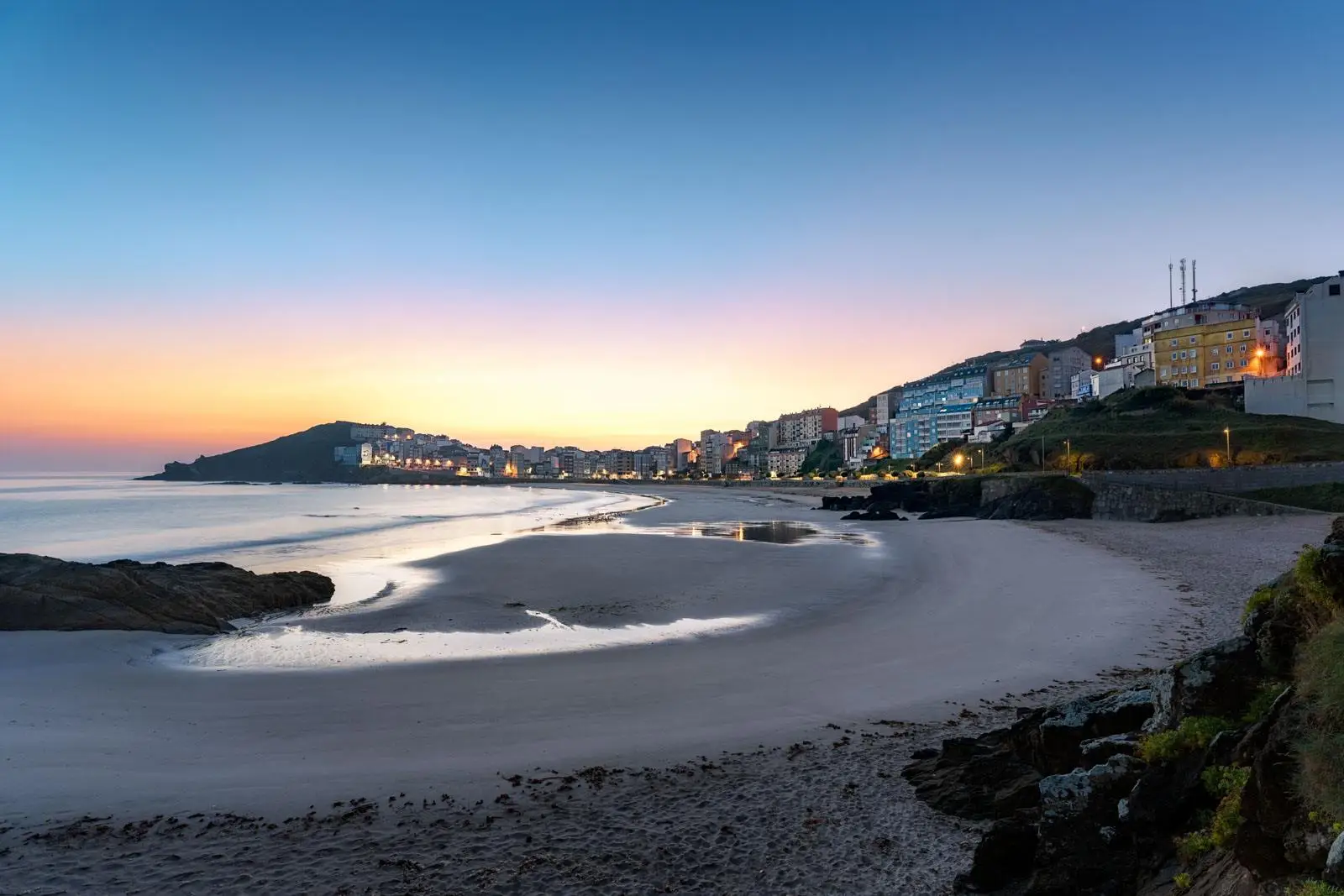
The traditional face of the town began to change in those years and the centre of Malpica was substantially altered and grew in a disorganised fashion. However, the spectacular setting of this town and its port adorned with colourful boats, together with the port activities, make this singular seaside town of Costa da Morte very attractive.

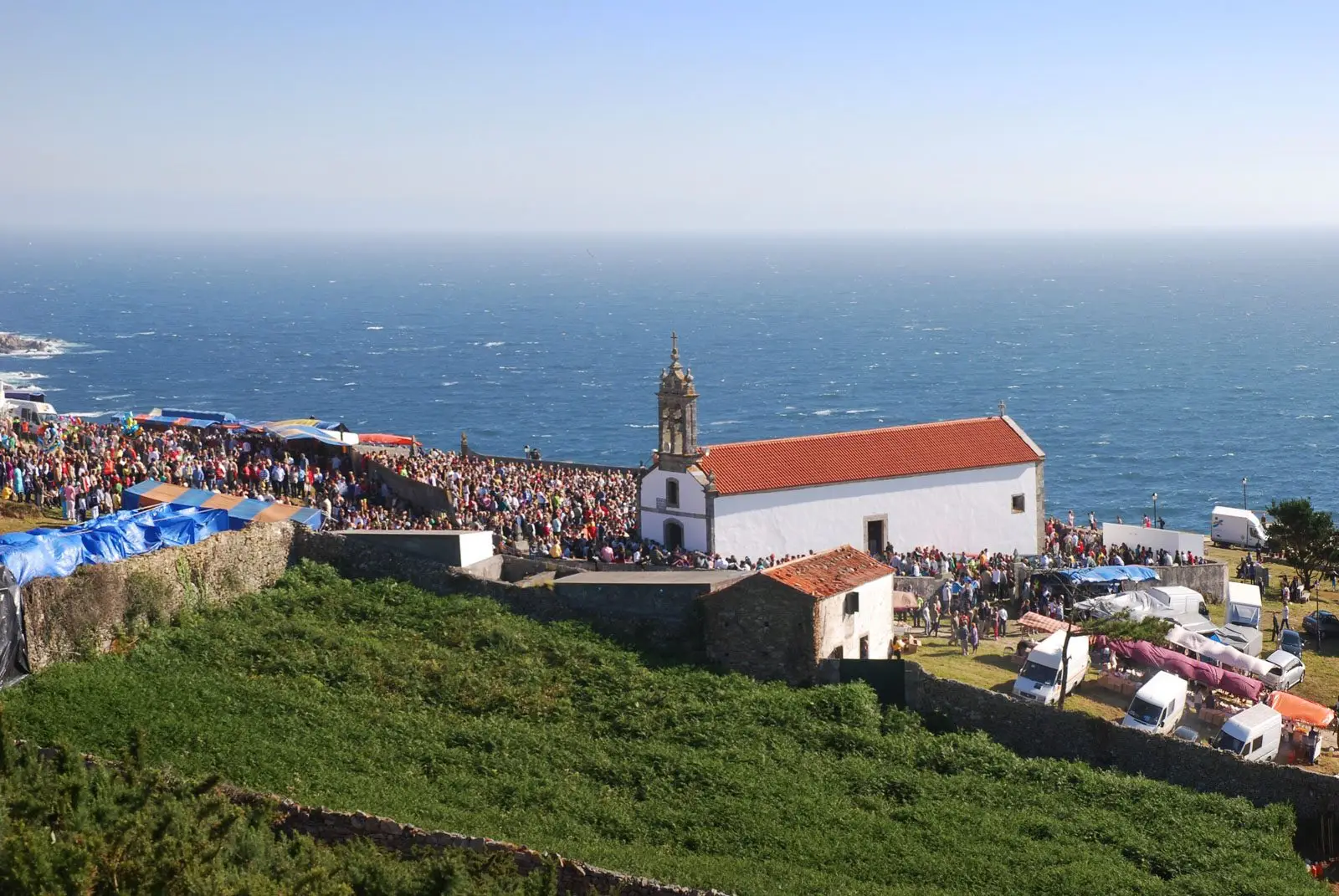
As well as visiting its streets and its port, travellers who come to Malpica should not miss the opportunity to see the work that the painter Urbano Lugrís (1908-1973) left here in the Casa do Pescador (Fisherman’s House), and follow the path from the town centre to the chapel of Santo Hadrián (dedicated to Saint Adrian), to enjoy some magnificent views of this exceptional stretch of coastline and the Sisargas islands.
Photo gallery of MALPICA, MY LOVE…

Discover the Costa da Morte on our blog

Blog Costa da Morte

Secret beaches of Costa da Morte

Do you want to know which are the secret beaches of Costa da Morte? Well, you are in luck, because in this article we wi...

WATER TRAIL IN ZAS, NATURE IN HARMONY

In many landscapes in Galicia fresh water plays a leading role and hiking routes along the banks of rivers and streams b...

Sustainable Tourism on the Costa da Morte: Discover wit...

Costa da Morte boasts an exceptional, vibrant, and wild natural heritage. Unfortunately, its beauty is not eternal unles...

THE LUBIÁN BRIDGE, A REMINDER OF ANCIENT ROADS

The territory of A Costa da Morte, due to its peripheral location, was not crossed in ancient times by any major routes ...

Museums to Visit on the Costa da Morte: 11 Cultural Sto...

Talking about the Costa da Morte means thinking of lighthouses, wild beaches, cliffs, Atlantic gastronomy and villages w...

LAXE, THE SPLENDOUR OF DAWN

To the south of the ría, in which the Anllons deposits the water it has collected along its path through the Bergantiños...

How to Learn to Surf: A Beginner’s Guide from Costa da ...

Costa da Morte, with its wild nature and diverse waves, has become a popular destination for surf lovers of all levels. ...

CAMARIÑAS, WHERE THE SEA BECOMES LACE

Camariñas is one of those towns with a very distinctive identity: simply saying its name immediately brings to mind the ...

VILÁN LIGHTHOUSE, THE CYCLOPS THAT SHINES EVERY NIGHT

At a time when no other coastal town in the area had electric lighting, the brilliance of the light of the Vilan lightho...

MORAIME, HISTORICAL CENTRE OF COSTA DA MORTE

There is a great lack of knowledge of the history of Moraime and the role that it played in the past as the religious an...

Upcoming events on the Costa da Morte

Find out instantly what activities await you on the Costa da Morte. Here you will find an up-to-date list of concerts, fairs, guided tours and shows that take place on the Costa da Morte. Don’t miss any event: experience the culture, sport and tradition of our region. And if you want to find out before anyone else, sign up for our newsletter and you will receive all the news in your email.

  • Thursday
    29
    October

    Registration for Tradi...

    Traditional Galician music and dance bring generations together in Fis...

  • Thursday
    29
    October

    Creando panos: Women's...

    Some stories deserve to be written down — even on a scarf. On 28 and 2...

  • Thursday
    29
    October

    Introduction to Galici...

    Carnota Council is offering an Introduction to Galician Language and C...

Logo Cmat Color Fondo Transparente
Privacy Overview

This website uses cookies so that we can provide you with the best user experience possible. Cookie information is stored in your browser and performs functions such as recognising you when you return to our website and helping our team to understand which sections of the website you find most interesting and useful.