CAMARIÑAS, WHERE THE SEA BECOMES LACE

Immerse yourself in Camariñas through “CAMARIÑAS, WHERE THE SEA BECOMES LACE”. A perfect primer: context, landscape, and key points—no filler. Tip: look out for vuelve.
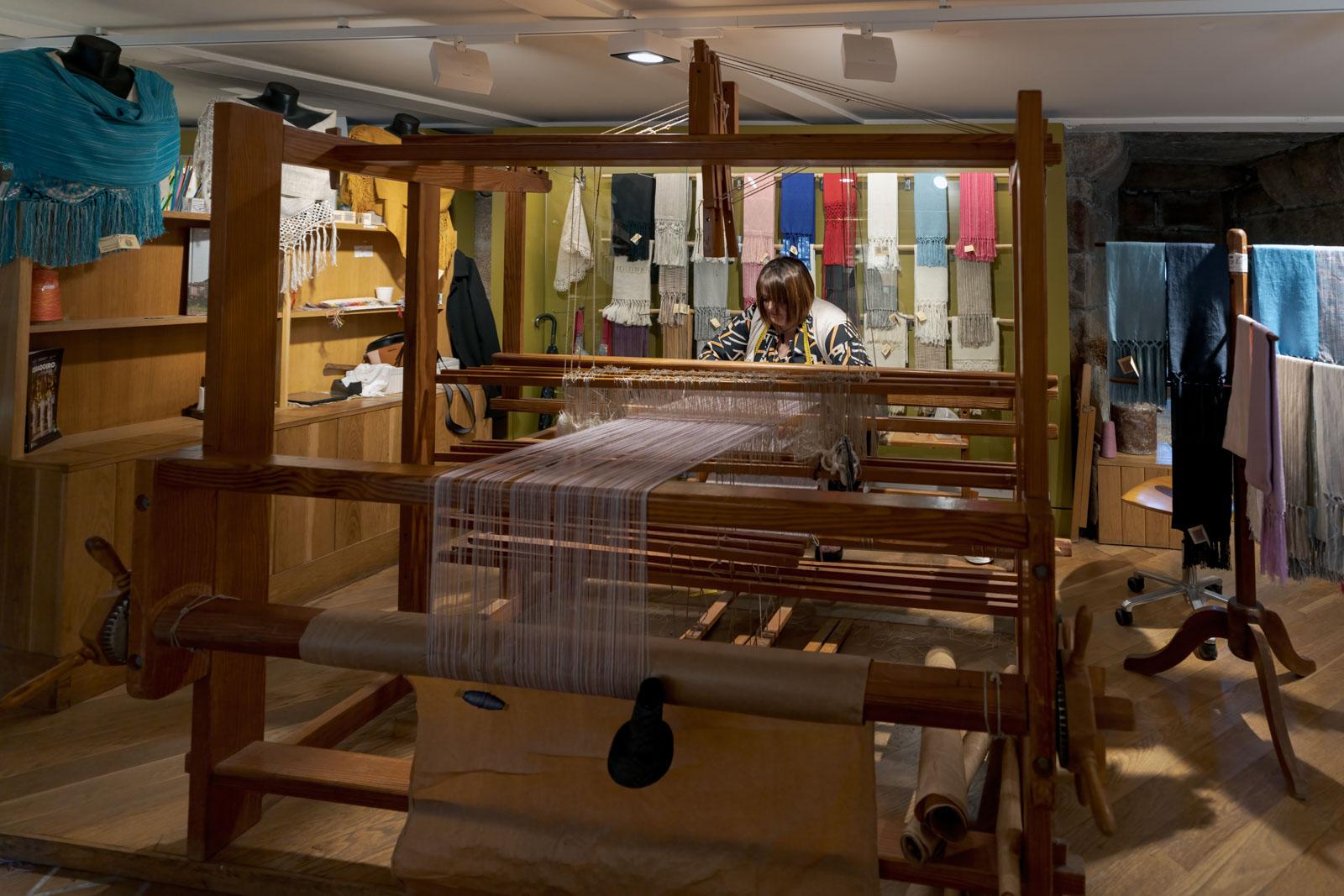
93. Mostra de artesanía do liño no interior do castelo

Camariñas is one of those towns with a very distinctive identity: simply saying its name immediately brings to mind the word lace, that delicate fabric crafted by the light, skilful hands of local artisans.

The origin of the town’s name comes from the shrub known as caramiña (Corema album), which used to grow on the dunes of the now-vanished beach where the settlement was founded. First came the parish of San Xurxo de Buría, further inland and agricultural, and later the seafaring town was established closer to the coast to take advantage of the sea’s resources.

The Moscoso family, from their stronghold in Vimianzo, imposed their rule over this harbour, which by the 15th century already stood out for its fishing and commercial activity. The sheltered beach of O Curveiro served as a landing place, frequented by vessels from other countries sailing along this coastline. Sardines and conger eel were the most commonly caught species in this estuary. By the mid-18th century there were two trincados, or galleons, devoted to sardine fishing; once salted, the catch was exported to the Basque Country.

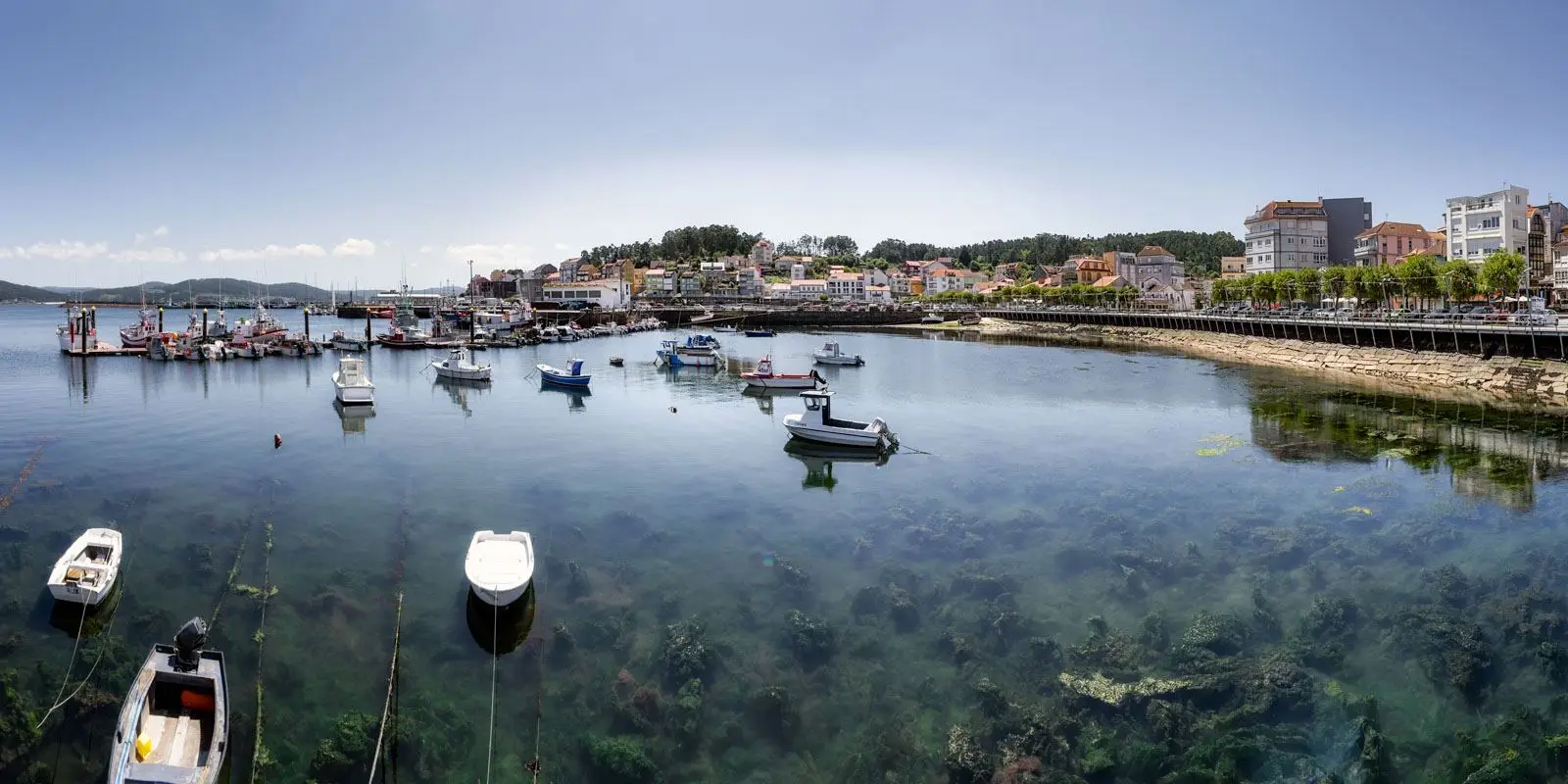
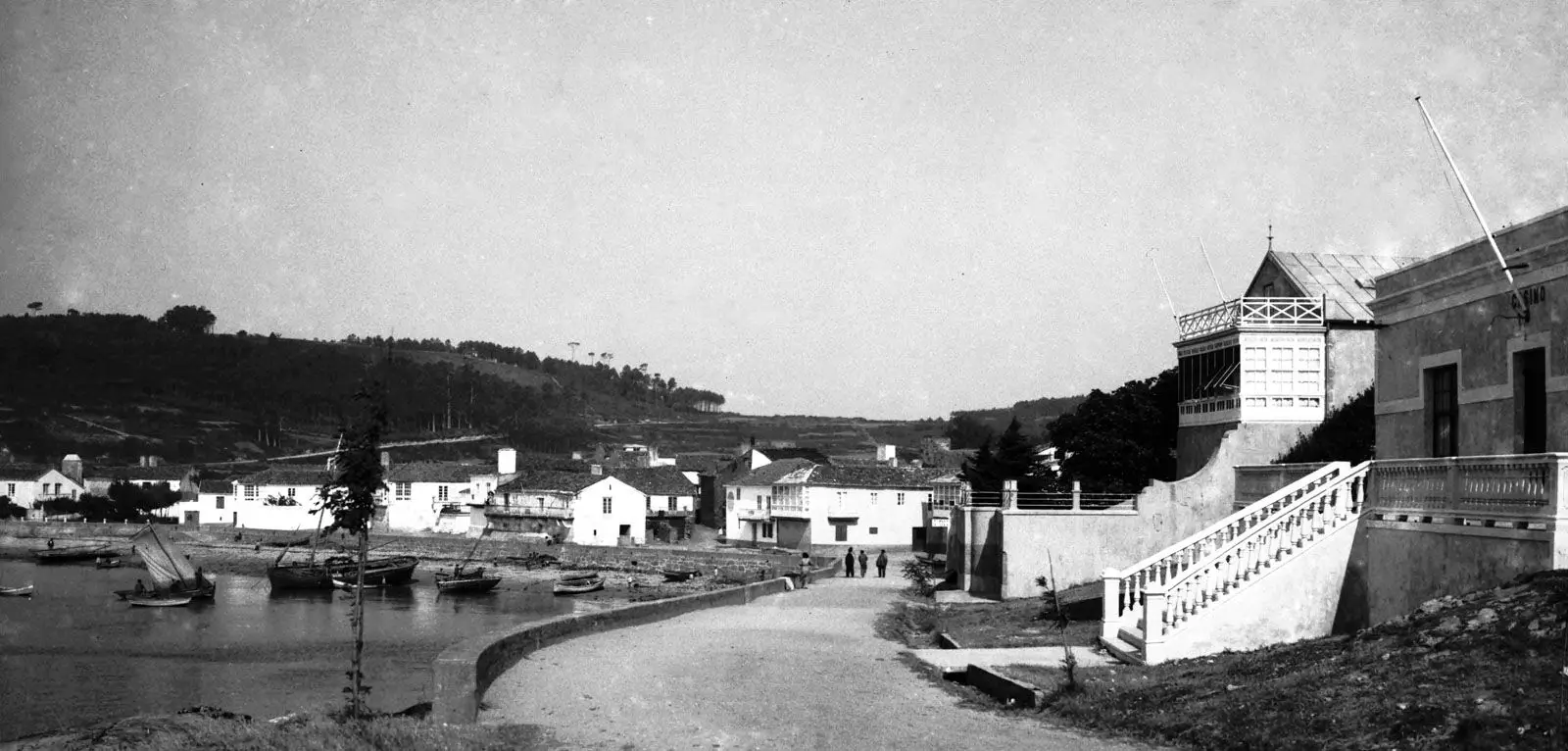
In the early years of the 20th century, Camariñas was a fishing town with a harmonious streetscape: houses with balconies or glazed galleries, painted white, and narrow streets leading down to the harbour. There were hardly any buildings that disrupted that balance of height and colour. The parish church and the windmill stood out on the higher ground. Fishing was the main activity, complemented by maritime trade. From its port, salted sardines, timber and cereals were exported, while manufactured goods and a variety of food products were imported.

That urban character began to change in the 1970s and 1980s, when new constructions replaced traditional architecture, giving the town the look we see today. Camariñas now appears as a more modern town, though without the charm it once had—of white houses or colours in harmony with its boats.

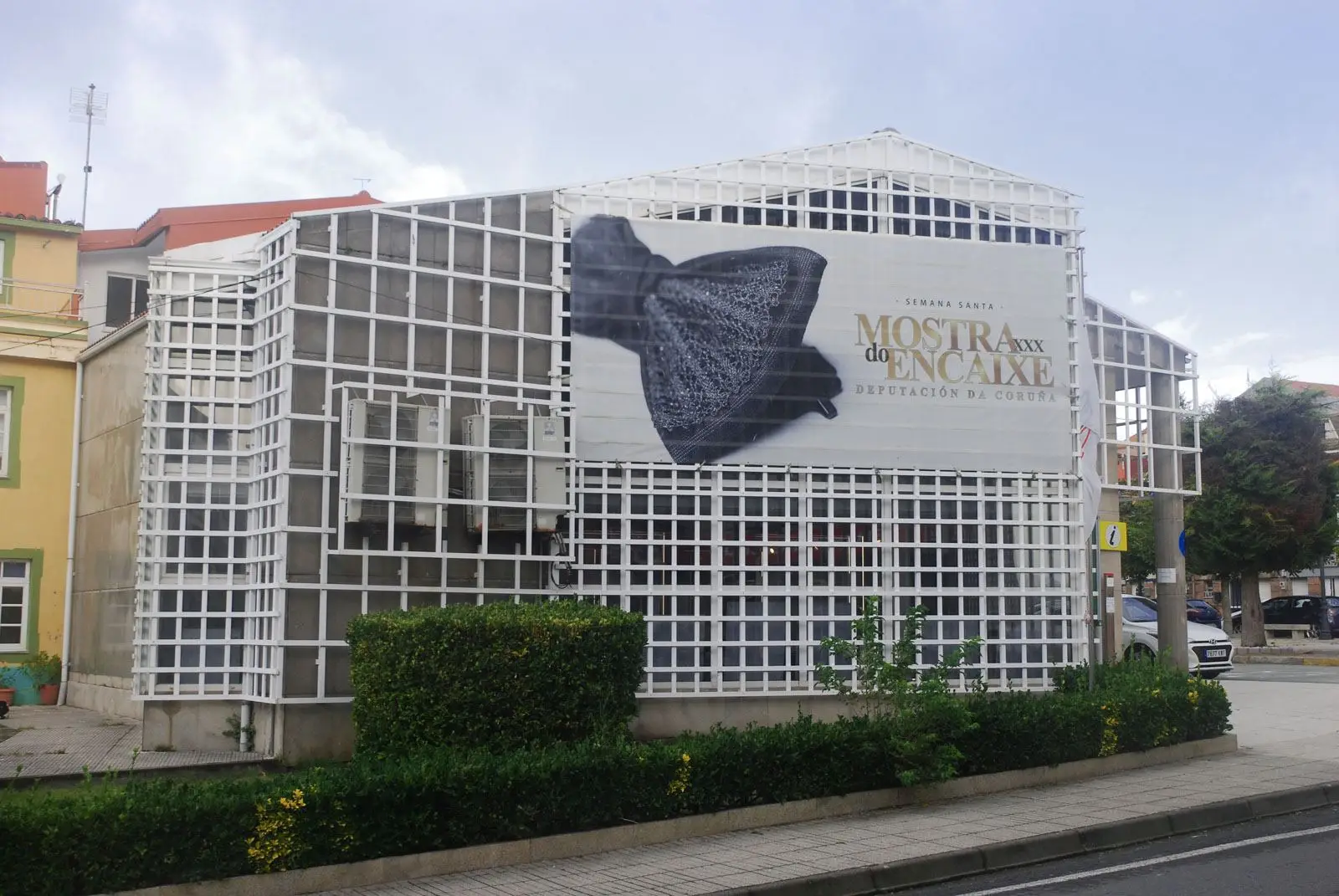
There are several attractions that Camariñas offers visitors. First of all, it is the lace capital of Galicia, which allows any traveller to discover this craft and learn its story at the Lace Museum, or to see it being made in real time—by watching a lacemaker in the street or visiting one of the municipal training schools. If you visit during Holy Week, you’ll come across the biggest display you can imagine at the Mostra do Encaixe, held every year around that time since 1991.

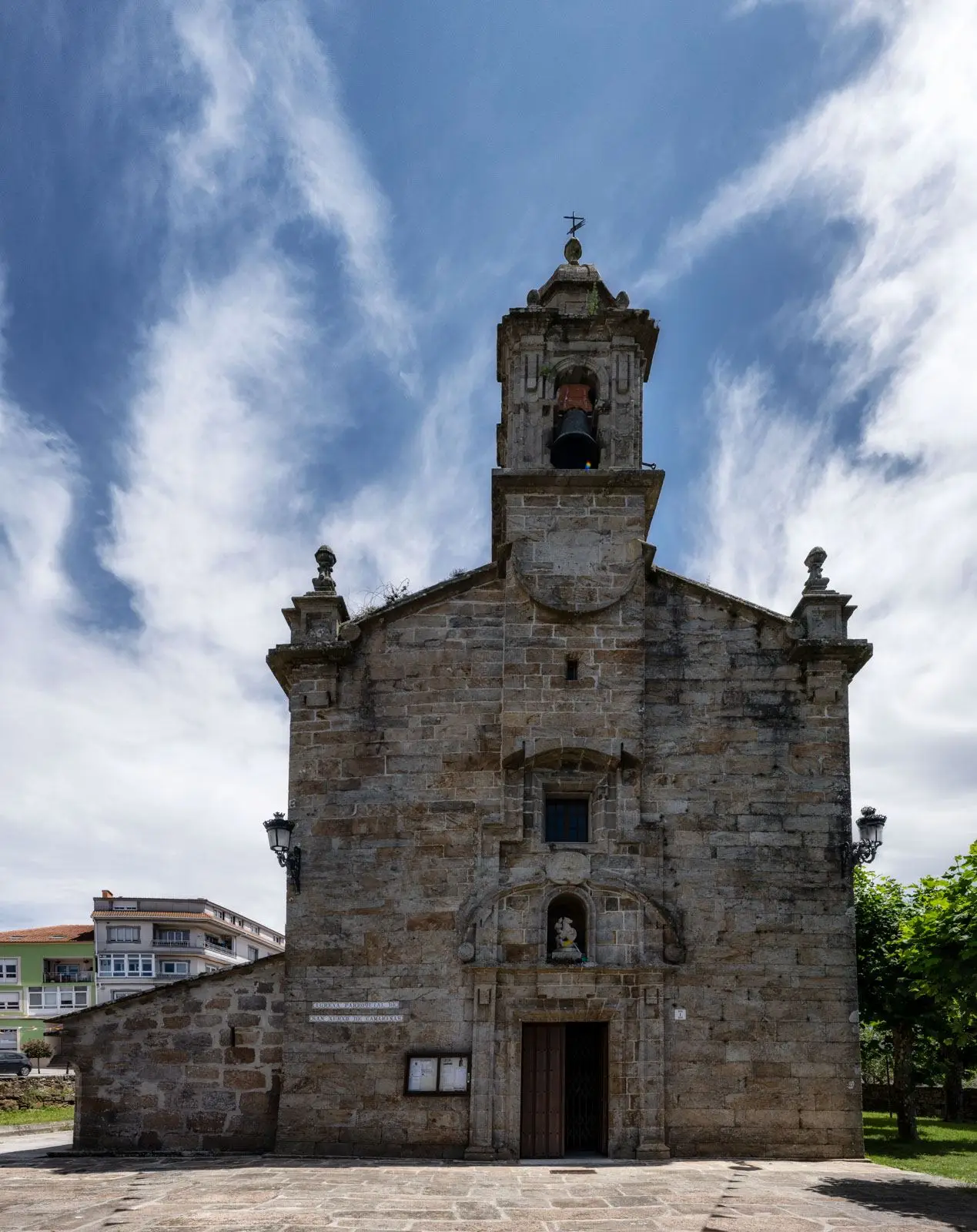
Visitors with a stronger interest in history or art can explore the ruins of the Castelo do Soberano, a fortress built in the mid-18th century, or visit the parish church of San Xurxo, a notable building both for its architecture and for the altarpieces it houses inside.


Photo gallery of CAMARIÑAS, WHERE THE SEA BECOMES LACE

Discover the Costa da Morte on our blog

Blog Costa da Morte

BUÑO, THE VILLAGE WHERE CLAY BECOMES ART

The town of Buño is known all over Galicia for its traditional pottery. The people of Buño may have engaged in this acti...

What to visit in Costa da Morte in 10 days

Wondering what to visit in Costa da Morte in 10 days? Here’s the detailed answer. In our view, 10 days is the perfect am...

TRABA LAGOON AND BEACH, PURE NATURE

Along the coast of Costa da Morte you will come upon places with great environmental wealth and landscapes, true natural...

Whale watching on the Costa da Morte: a unique experien...

There are moments when nature gives us spectacles that are impossible to forget. One of them is to contemplate a whale s...

MAZARICOS WATERFALLS, WATER AS AN ART FORM

The municipality of Mazaricos cannot offer visitors a marine landscape, as it has no coast, but it does have ideal condi...

THE LUBIÁN BRIDGE, A REMINDER OF ANCIENT ROADS

The territory of A Costa da Morte, due to its peripheral location, was not crossed in ancient times by any major routes ...

THE VALLEY OF THE RIVER BEBA, AN INTENSELY GREEN LANDSC...

The valley of the river Beba lies between the Ruña hills and a hillock that separates it from the Mazaricos valley. It o...

CAIÓN, A TOWN BY THE SEA

Travellers who want to get to know the town of Caión should see it first from afar, from one of the lookout points, befo...

Eclipse 2026 on the Costa da Morte

As you know, a total solar eclipse occurs because the Moon moves directly in front of the Sun and blocks it from our vie...

BRAZAL ROCK, NATURE’S BALANCING ACT

Nature has been very generous with Costa da Morte, leaving outstanding natural monuments sculpted with the chisels of wa...

Upcoming events on the Costa da Morte

Find out instantly what activities await you on the Costa da Morte. Here you will find an up-to-date list of concerts, fairs, guided tours and shows that take place on the Costa da Morte. Don’t miss any event: experience the culture, sport and tradition of our region. And if you want to find out before anyone else, sign up for our newsletter and you will receive all the news in your email.

  • Wednesday
    25
    November

    Women's self-defence c...

    Ponteceso Town Council has announced a women's self-defence course to ...

  • Wednesday
    25
    November

    «Marcho que teño que m...

    Stories can open up space for difficult conversations, sometimes with ...

  • Wednesday
    25
    November

    25 November in Laxe: B...

    On Wednesday 25 November, Laxe will mark the International Day for the...