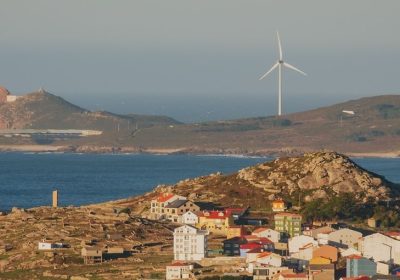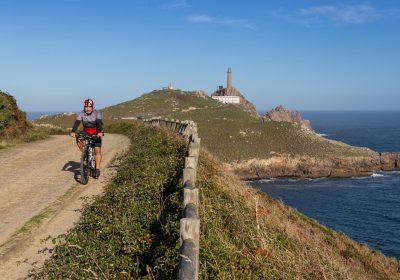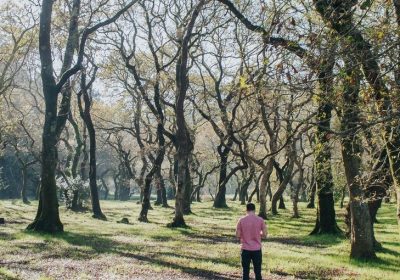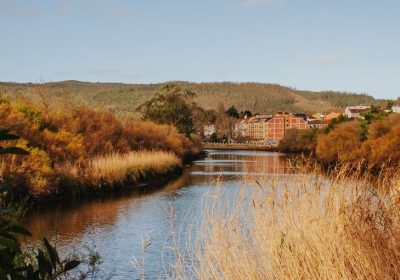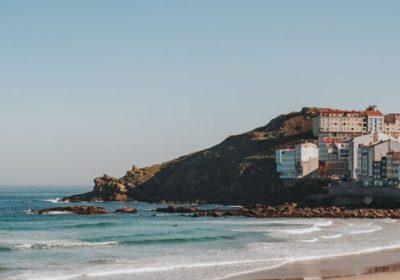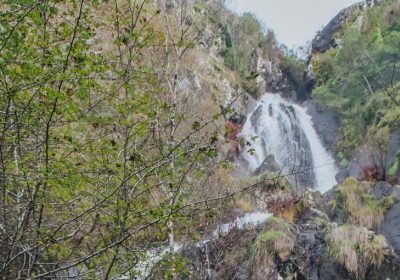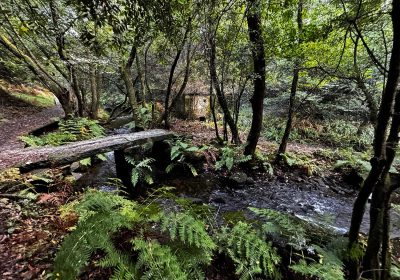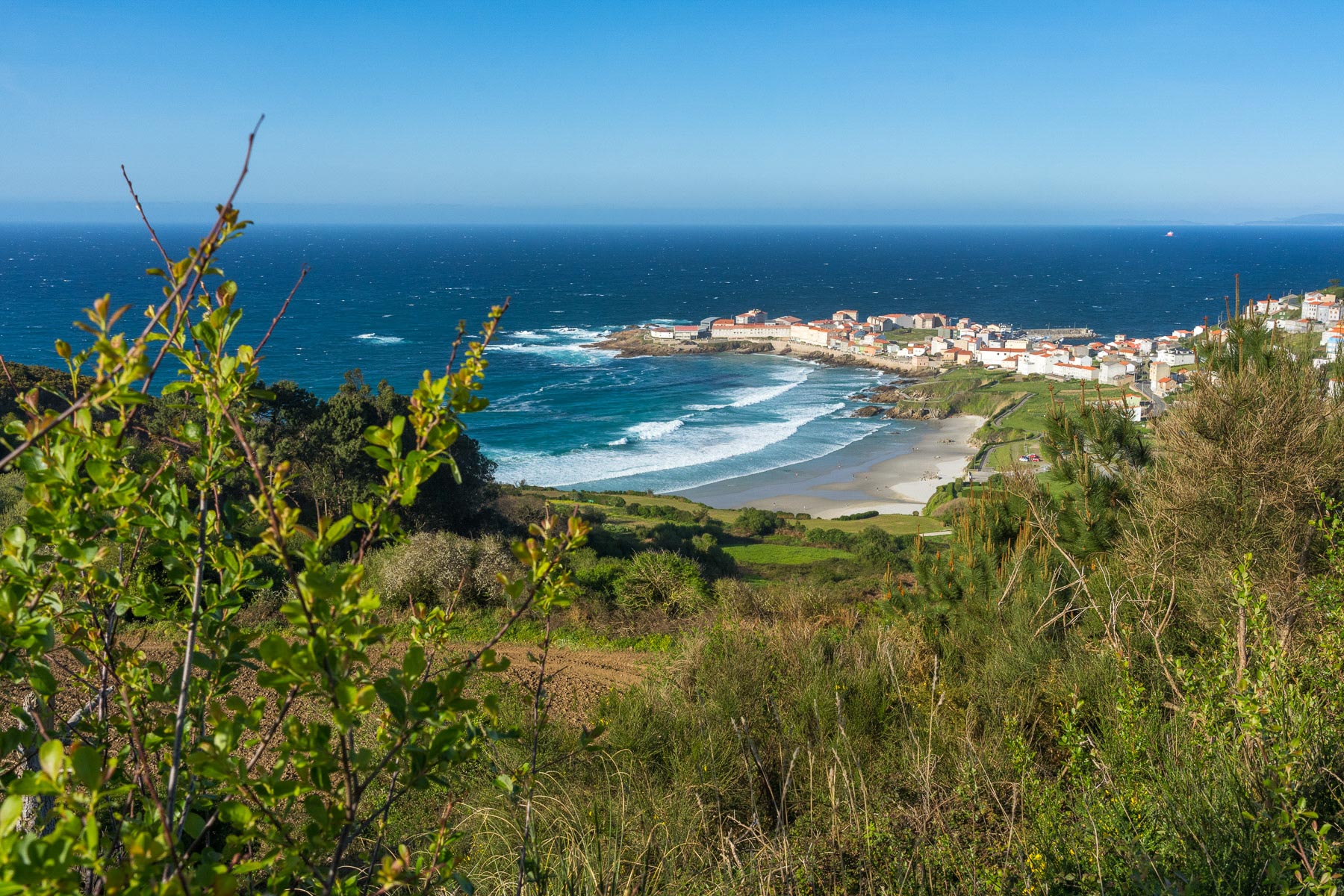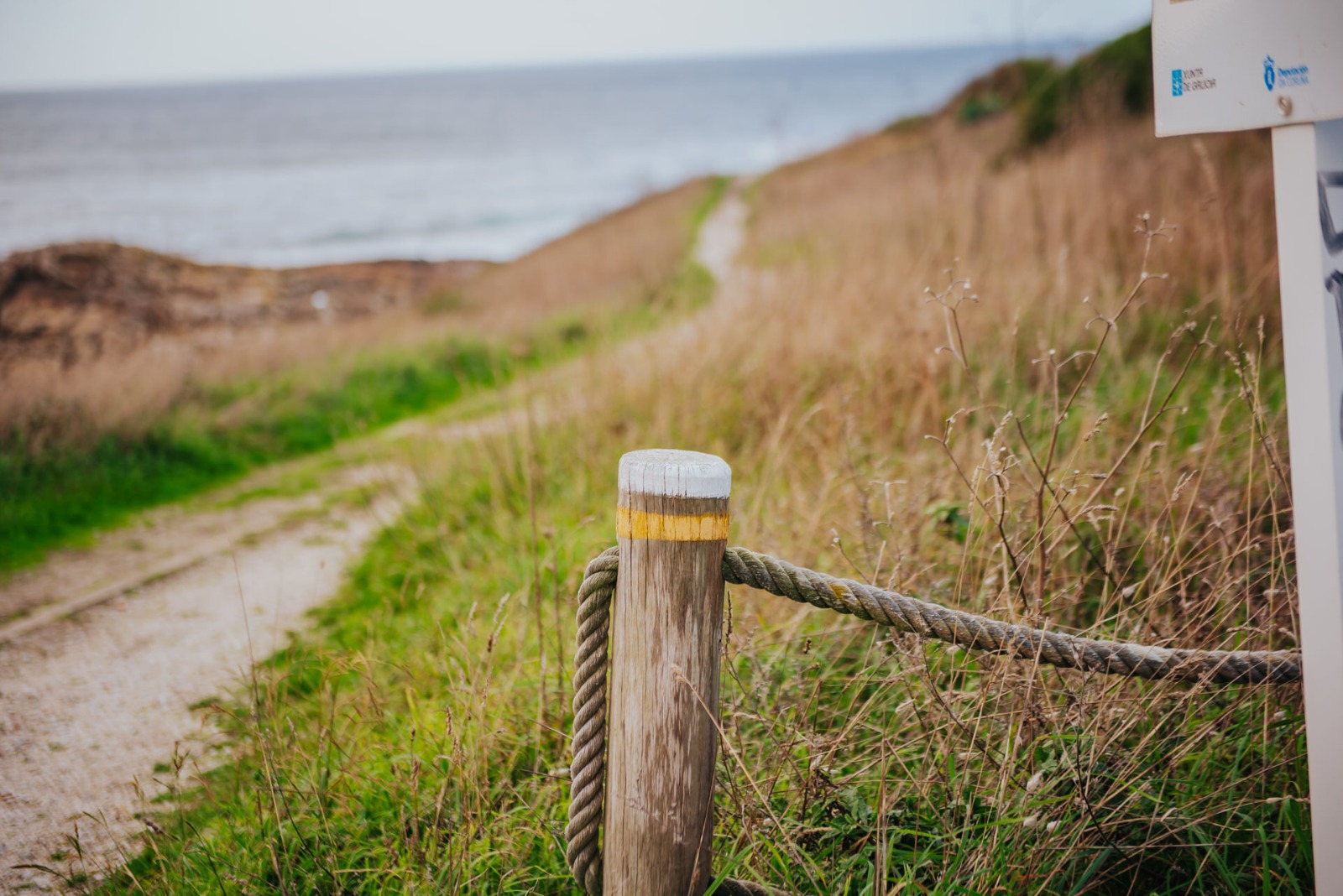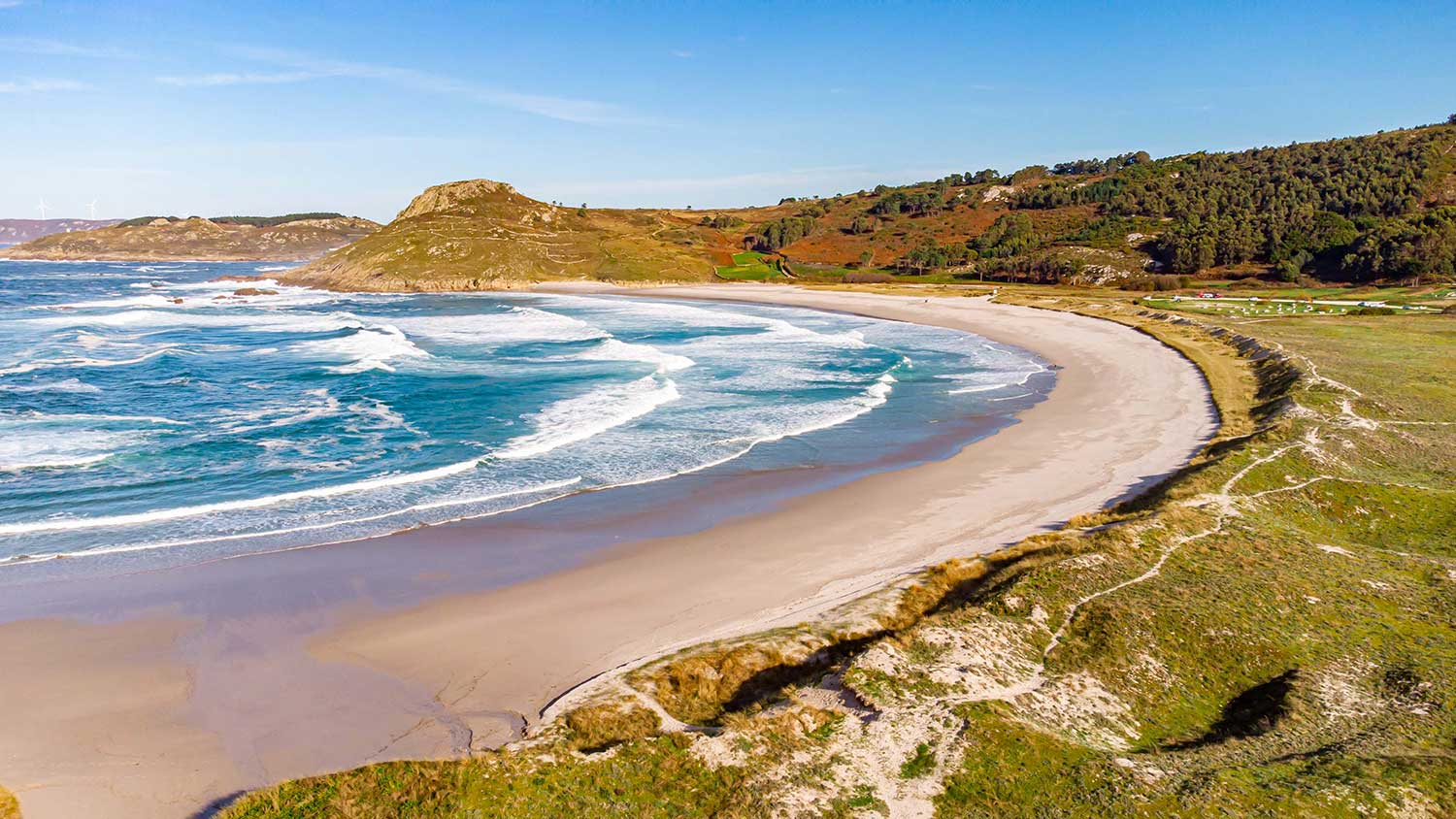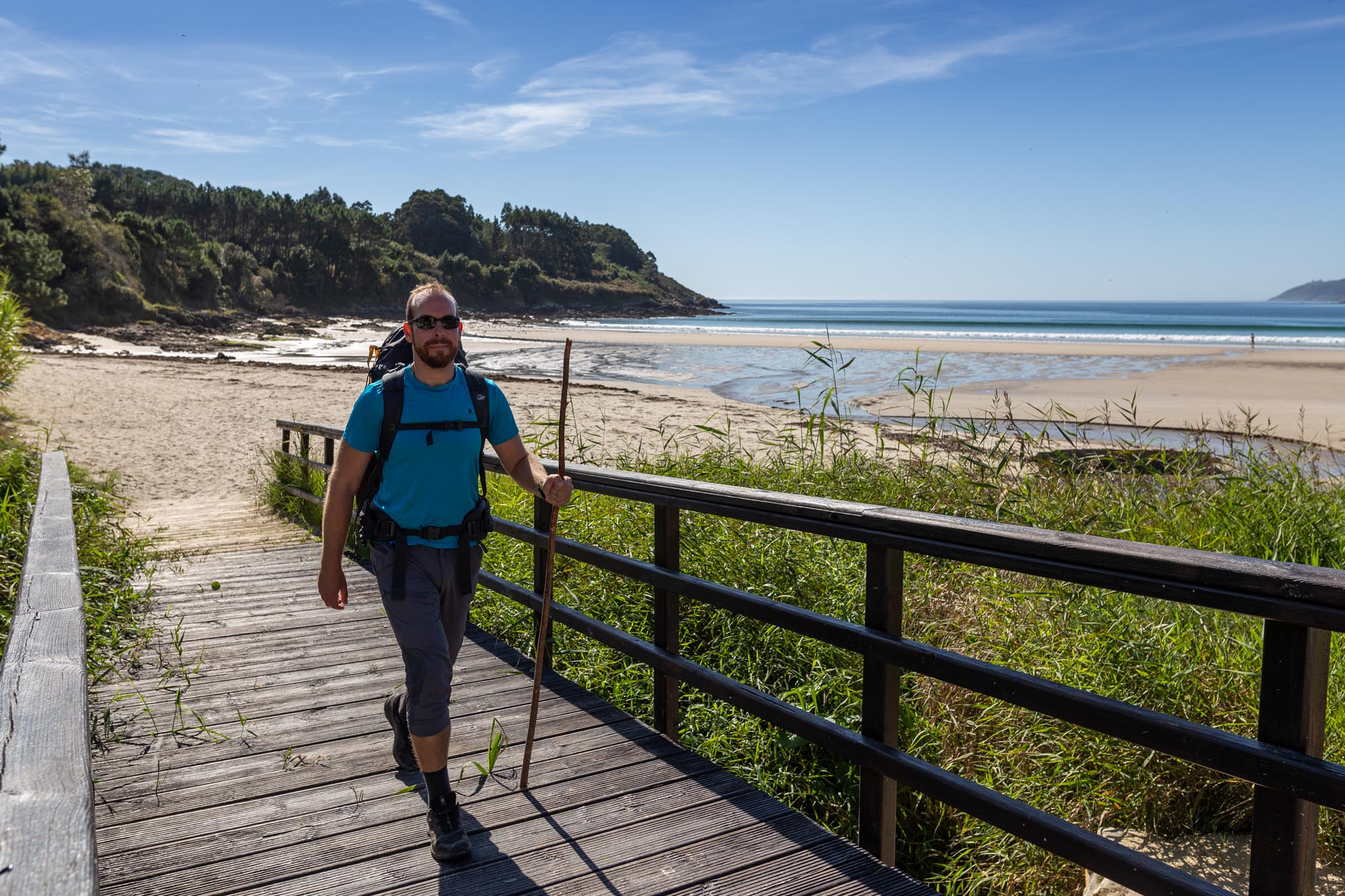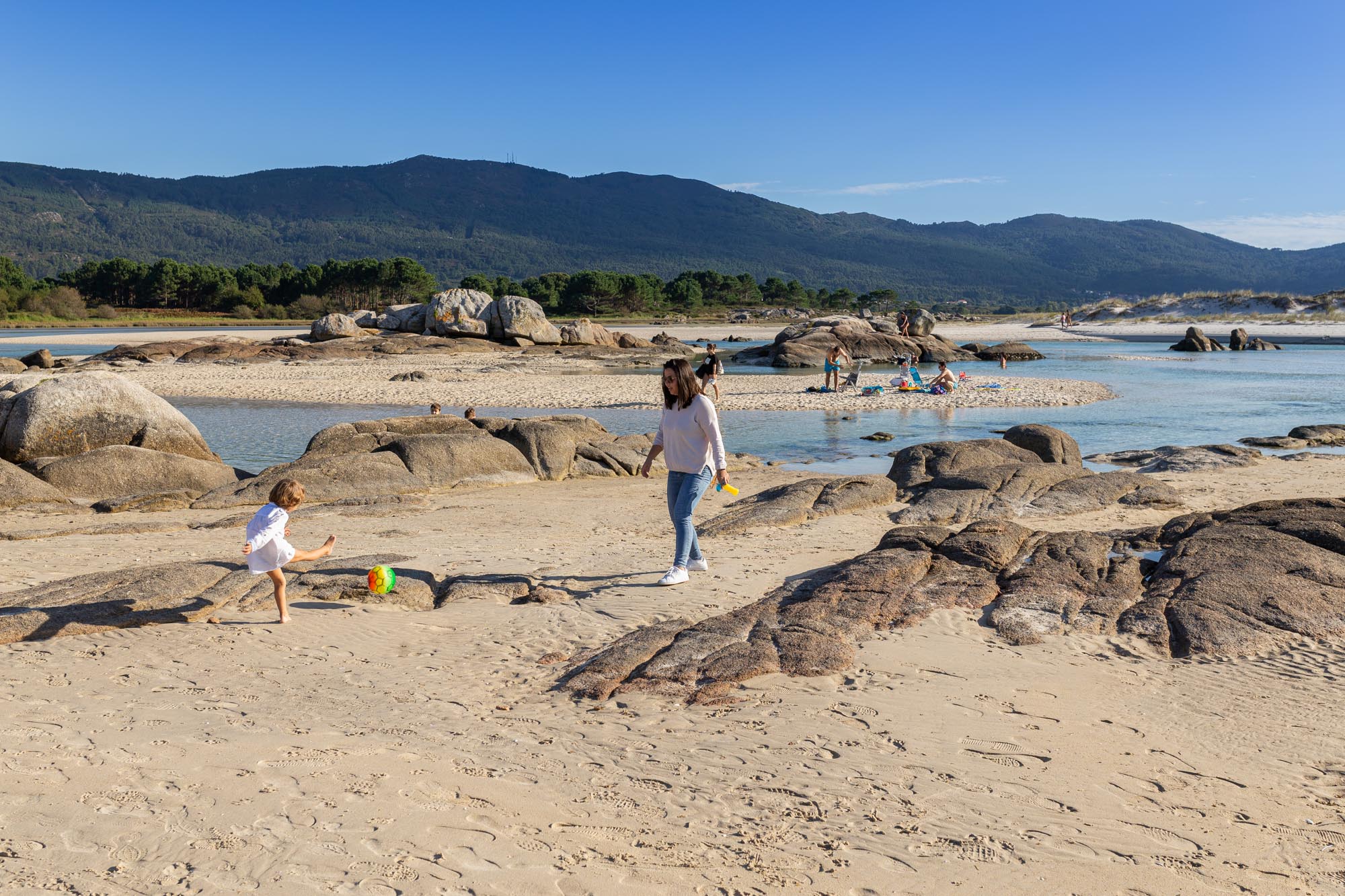


The Camiño do Litoral de Galicia, created and promoted by the Xunta de Galicia as a route for exploring the Galician coastline, reaches one of the most spectacular sections of its entire journey along the Costa da Morte. Following the Atlantic coast, this long-distance route offers the opportunity to discover on foot or by bicycle a landscape shaped by the sea, linking fishing villages, beaches, cliffs, headlands, lighthouses and natural areas of outstanding scenic value. It is a different way to explore the Costa da Morte, travelling at a slower pace with the ocean always providing the main thread of the journey.
The Camiño do Litoral route through the Costa da Morte covers stages 19 to 29, both included. The journey begins with stage 19, A Coruña–Caión, and continues through Caión–Malpica, Malpica–Punta Nariga–Barizo, Barizo–Corme, Corme–Laxe, Laxe–Camariñas, Camariñas–Muxía, Muxía–Lires, Lires–Fisterra, Fisterra–O Pindo and O Pindo–Lira. Eleven stages that make it possible to travel from north to south through a large part of the Costa da Morte coastline and experience how the landscape gradually changes as the route progresses beside the Atlantic.
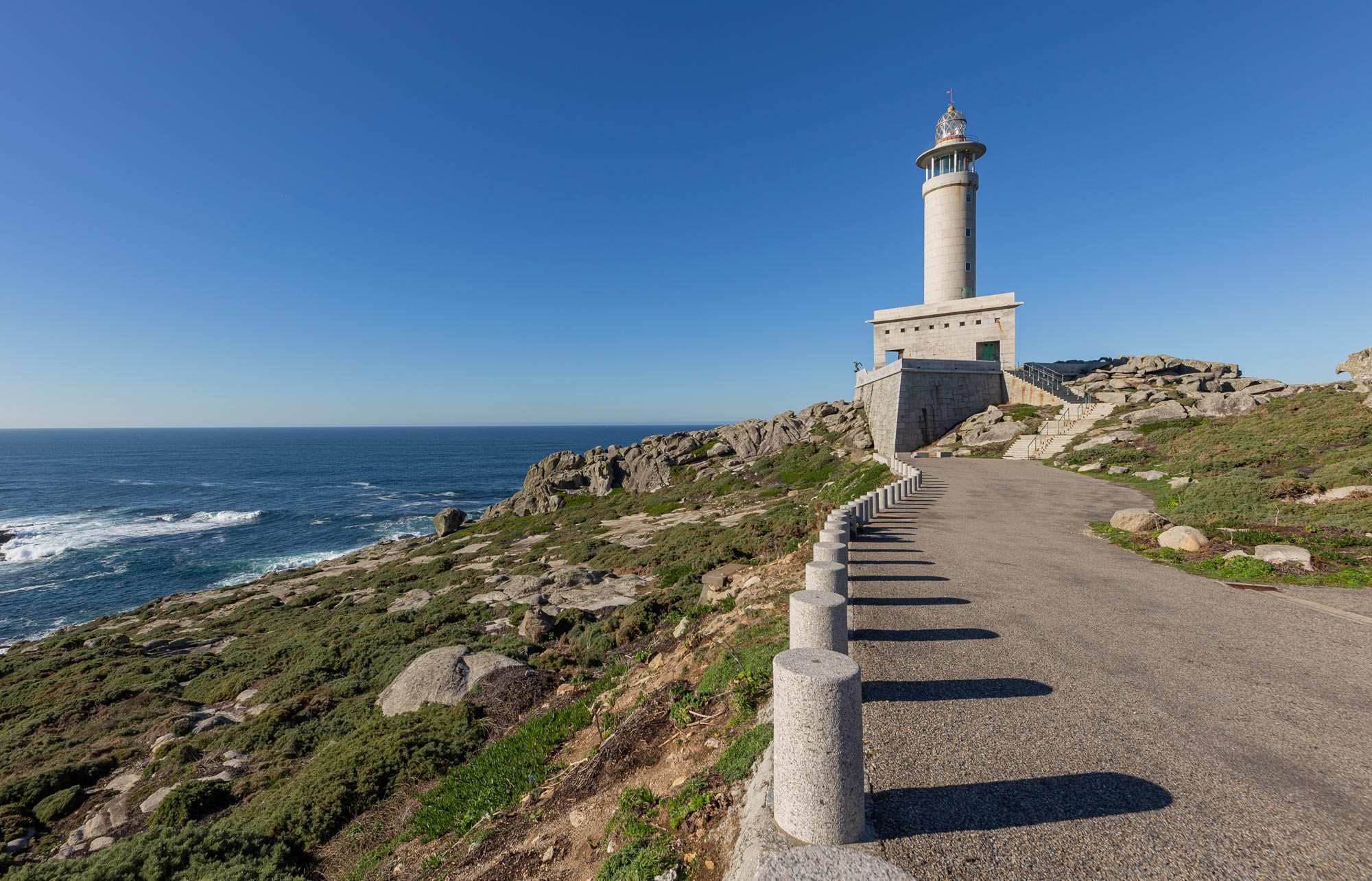
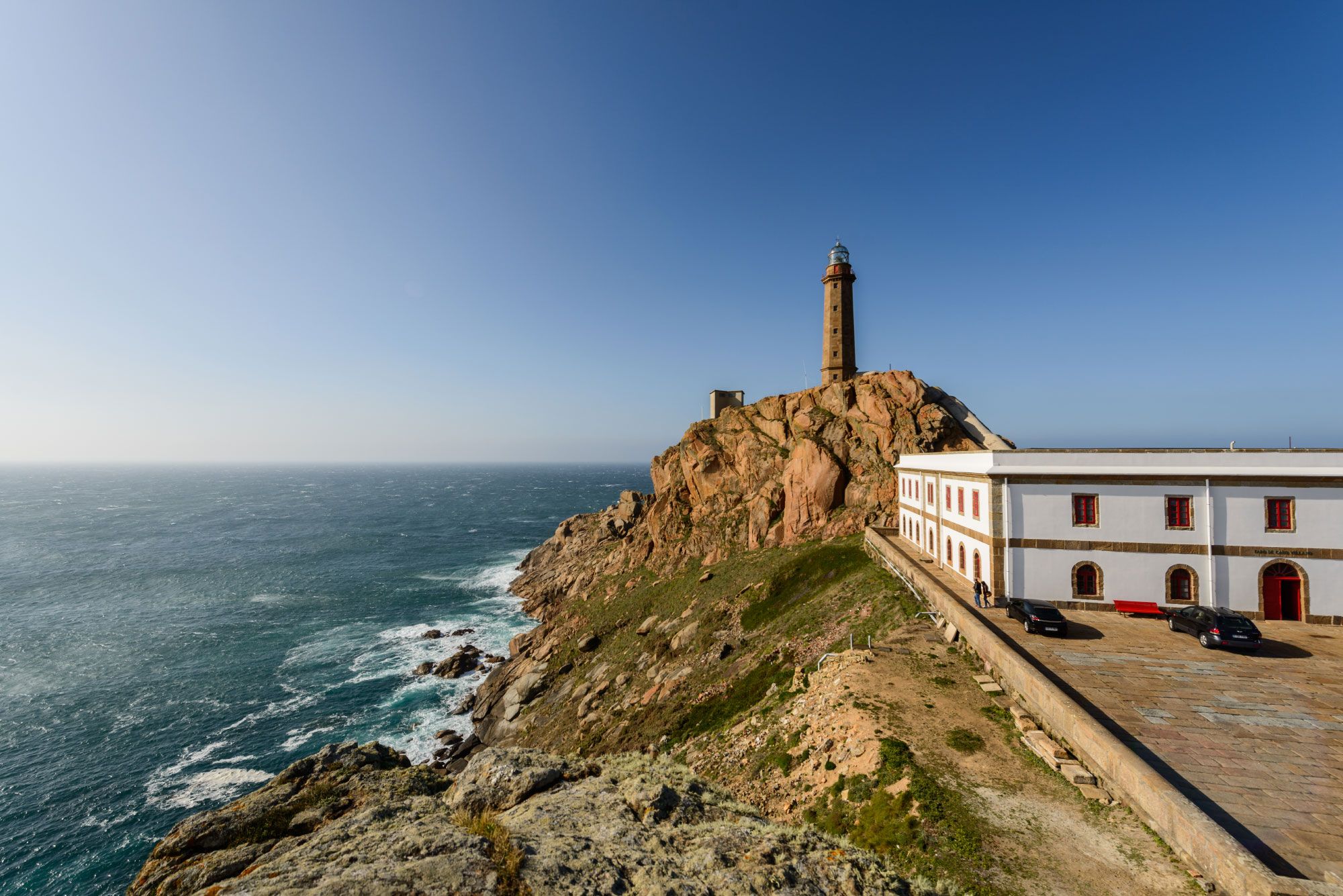
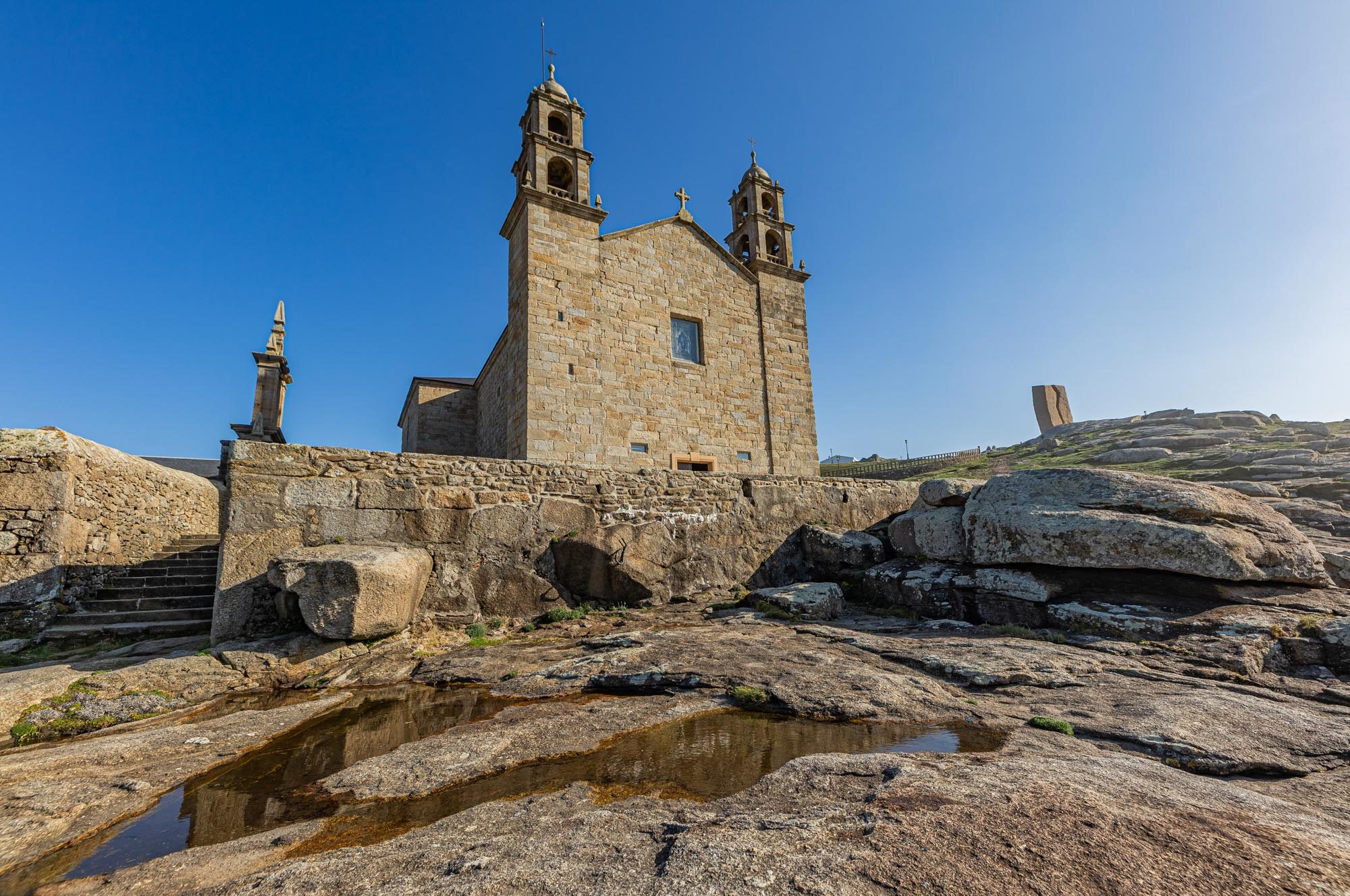
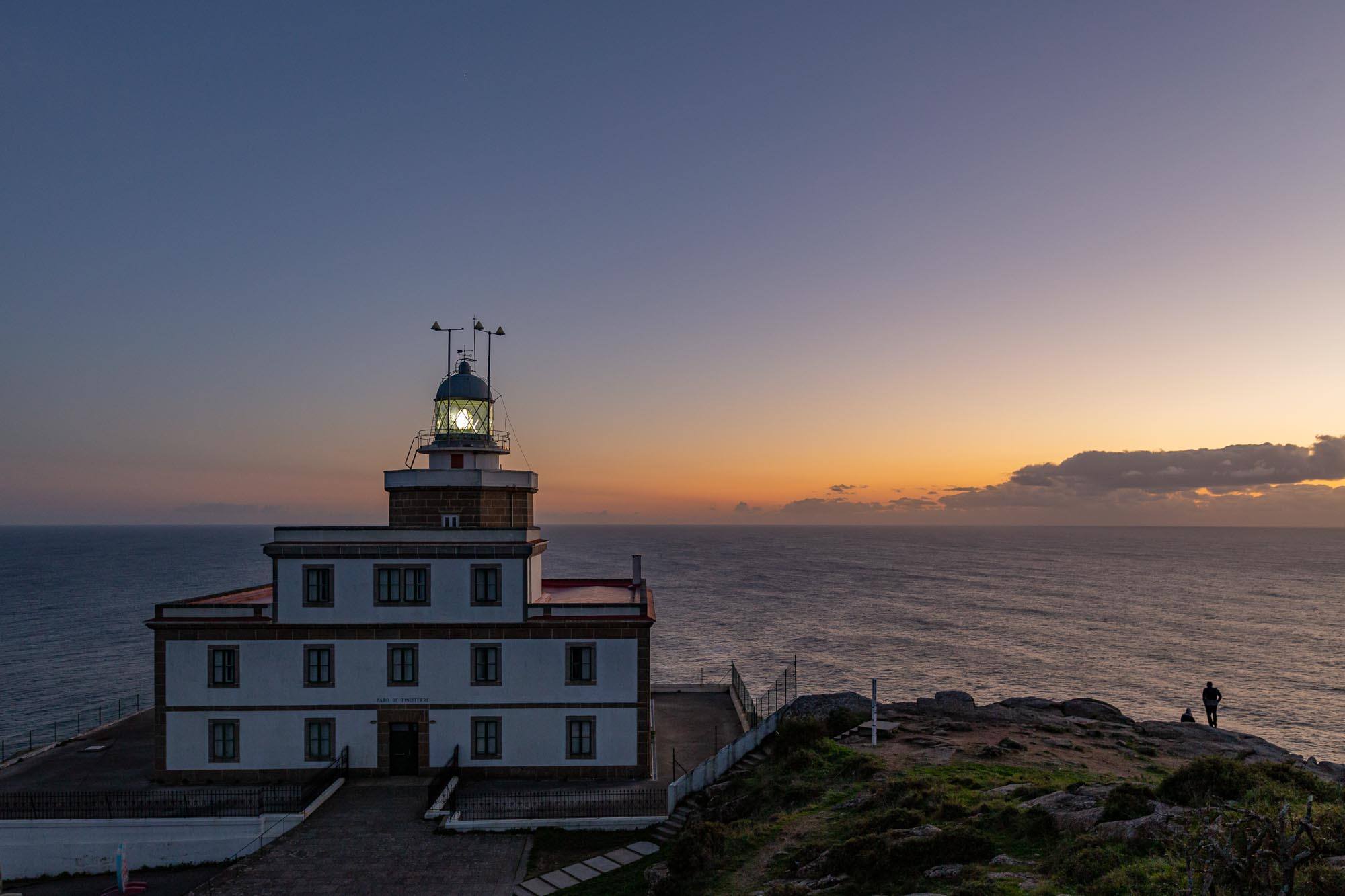
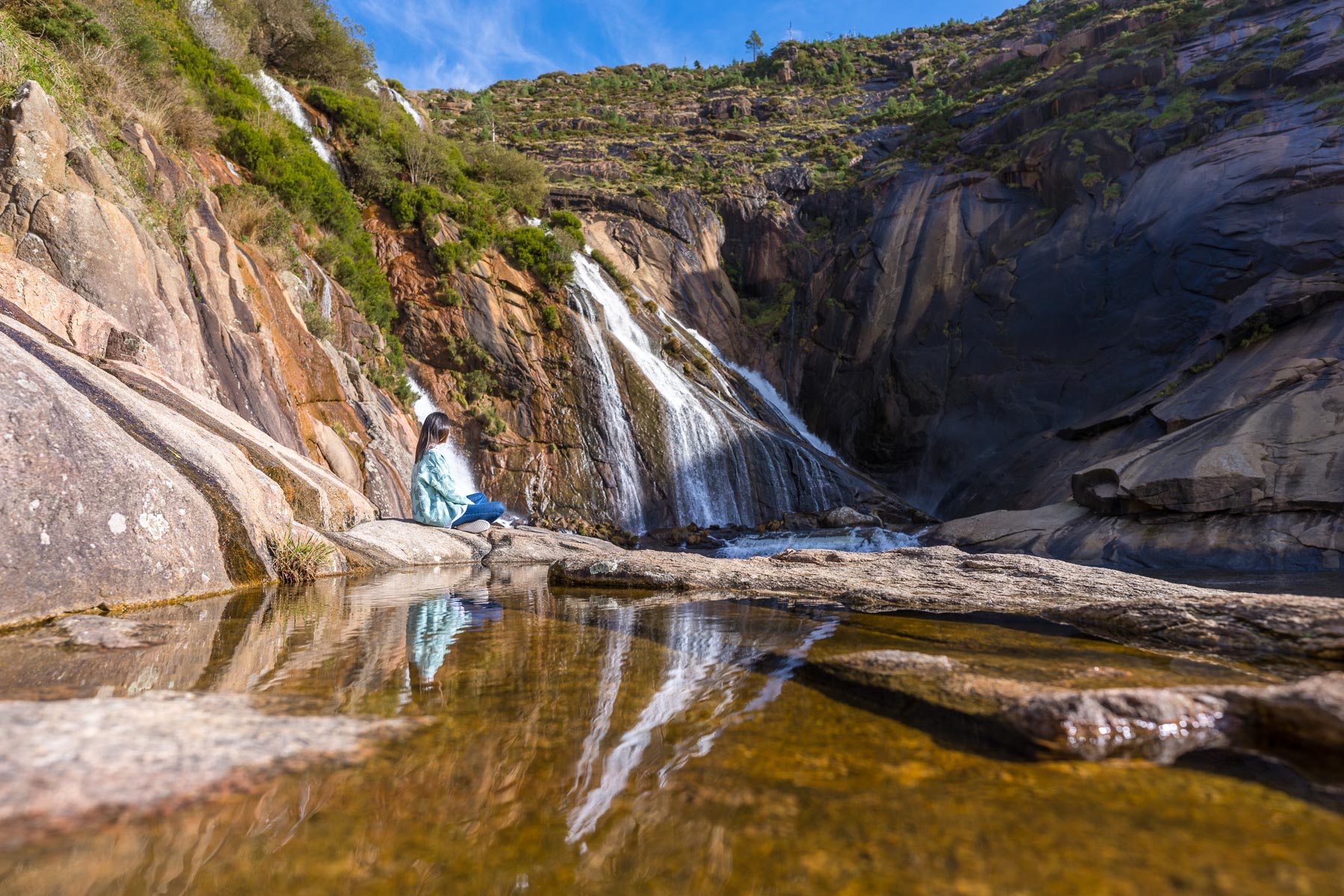
Along the way, the route passes through some of the most representative landscapes of the Costa da Morte, from the vast beaches and exposed coastline around Caión, Razo and Malpica to such iconic places as Punta Nariga, O Roncudo, Corme, Laxe, Cabo Vilán, Camariñas, Muxía, Lires and Fisterra. Further south, the itinerary continues through a coastline full of character towards O Pindo and Lira, combining almost untouched natural spaces with harbours, small coastal towns and places deeply connected to Galicia’s seafaring culture.
Walking the Camiño do Litoral through the Costa da Morte is therefore much more than completing a hiking route: it is an opportunity to discover the region at a different pace and understand the close relationship between landscape, ocean and local way of life. This major project by the Xunta de Galicia connects the coastline through a continuous itinerary and makes it possible either to complete the route stage by stage or to choose individual sections, making it an excellent option for anyone interested in hiking in the Costa da Morte, active tourism, nature and coastal walking routes in Galicia.