

It has been said that in the west of Galicia, such as Costa da Morte, the amount of Roman influence was very slight; however, this view is not corroborated by research studies that have evaluated the importance of the known Roman settlements in the area. One example is Brandomil, where it was known that there had been a Roman presence, but no one imagined the great potential of this site before the archaeological digs of recent years.
The real archaeological value of Moraime (Muxía) or Tines (Vimianzo)is also not known because, even though some Roman remains were discovered, no detailed study of them has been made nor have further excavations been made in these places.
Therefore, it would be a good idea to find out the archaeological potential of Brandomil, which could serve as an example for other investigations in places in which there is evidence of a Roman presence: Tines (Vimianzo), Moraime (Muxía), Cores (Ponteceso), Gándara (Zas) and Cances (Carballo).
After the recent excavations made by Juan Naveiro (2007-2008) and then by Lino Gorgoso since 2019, the Roman settlement of Brandomil is now considered one of the most noteworthy in the province of A Coruña, after that of the City of Hercules (i.e., A Coruña), Iria-Flavia (Padrón) and Cidadela (Sobrado dos Monxes).
Roman Brandomil covered a wide area that extended from where the current village is located to outlying areas, such as Pedra do Altar, to the south-west. Since the end of the 19th century there has been news of the appearance of Roman remains in Brandomil, which were discovered when the fields were being worked, some with inscriptions: three votive stones, the front of a funeral monument and a funeral plaque. According to the contents of the latter, it seems that there was a group of people in the Roman settlement that was not from Gallaecia and probably arrived there to work in the Limideiro mine.
Since the creation of the Brandomil Foundation in 2018, a substantial change has occurred to this site. With the support of the municipality of Zas and other government services, various archaeological digs were sponsored, directed by the archaeologist Lino Gorgoso, that expanded the knowledge of and publicised this Roman settlement.
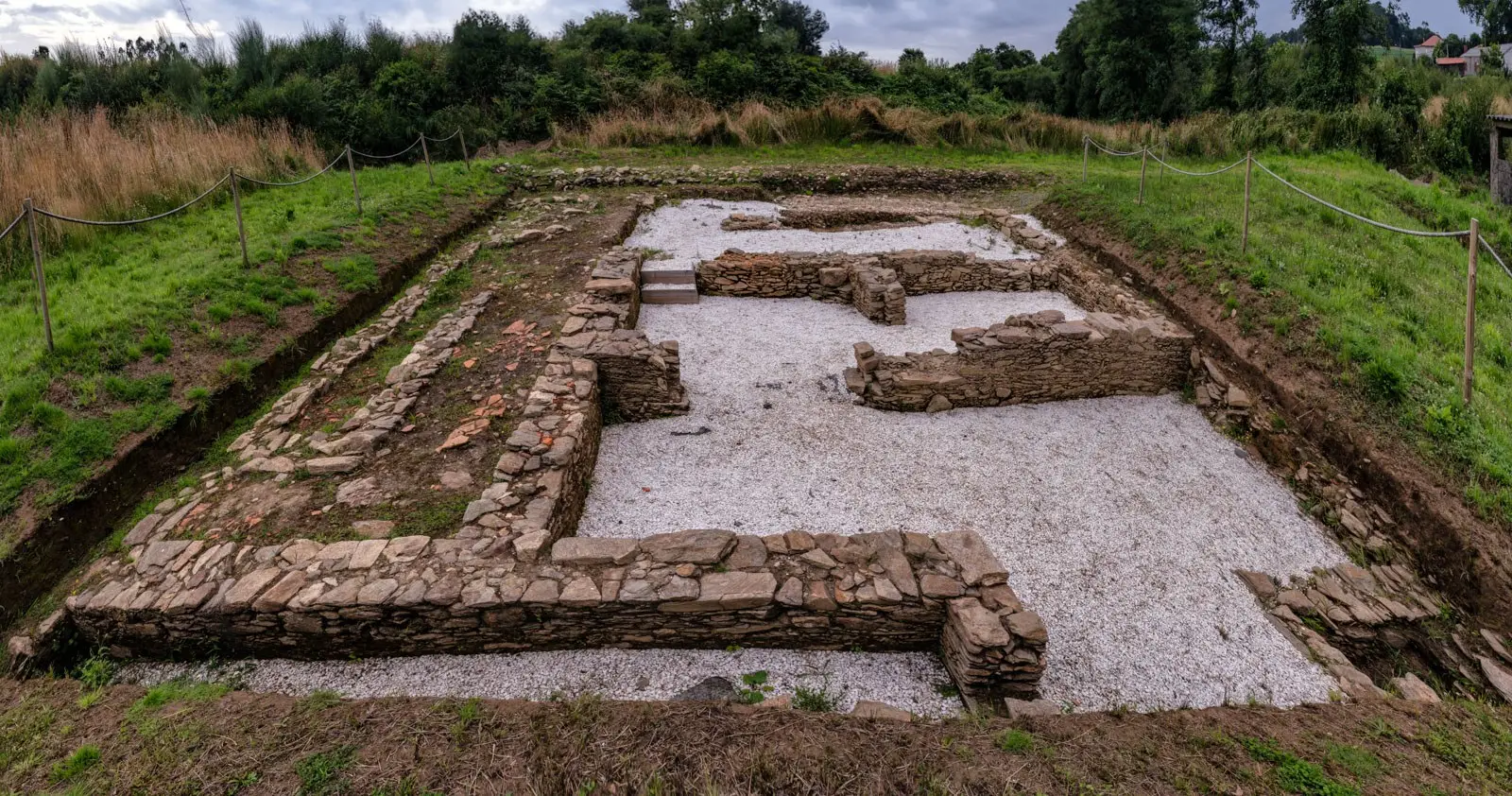
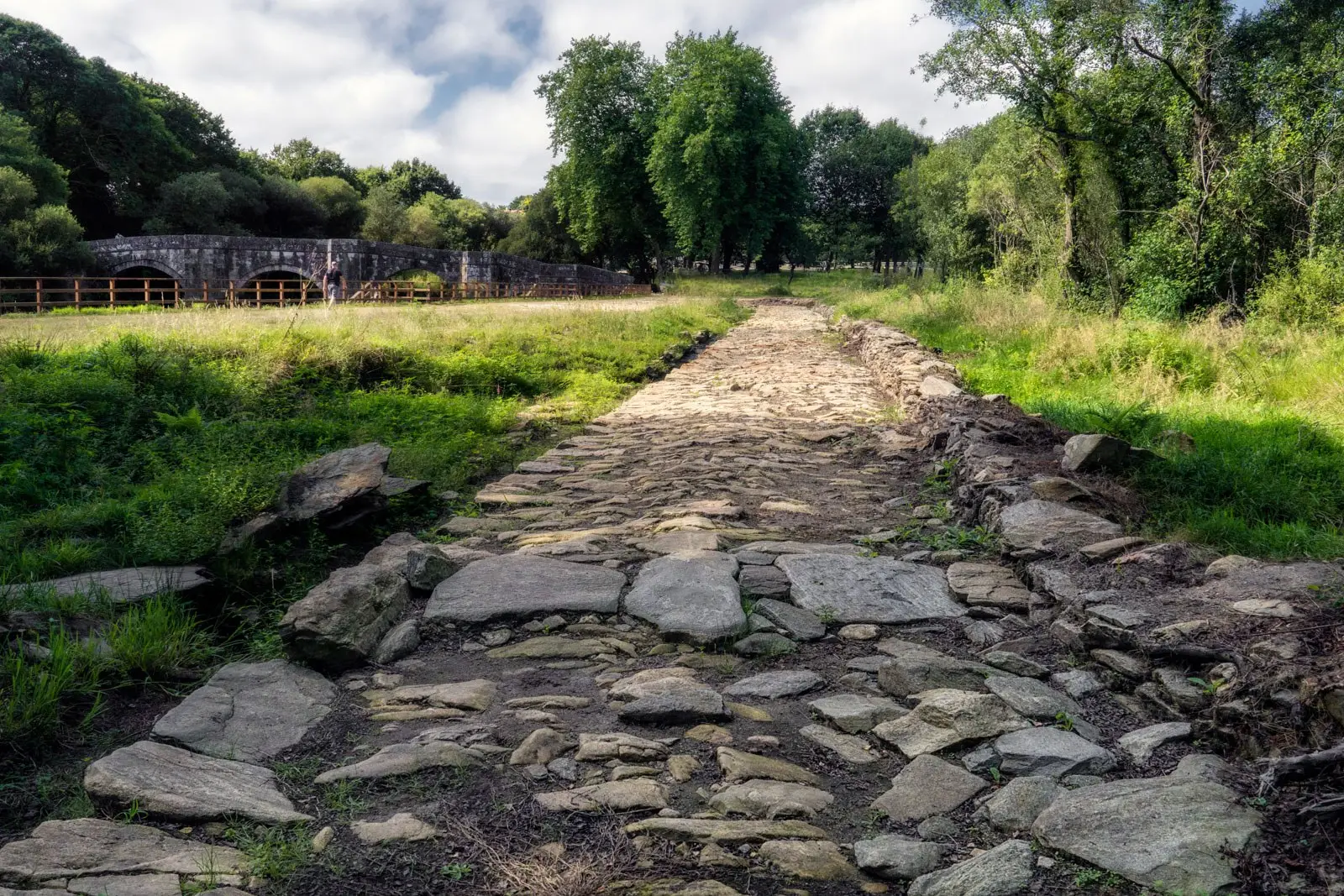
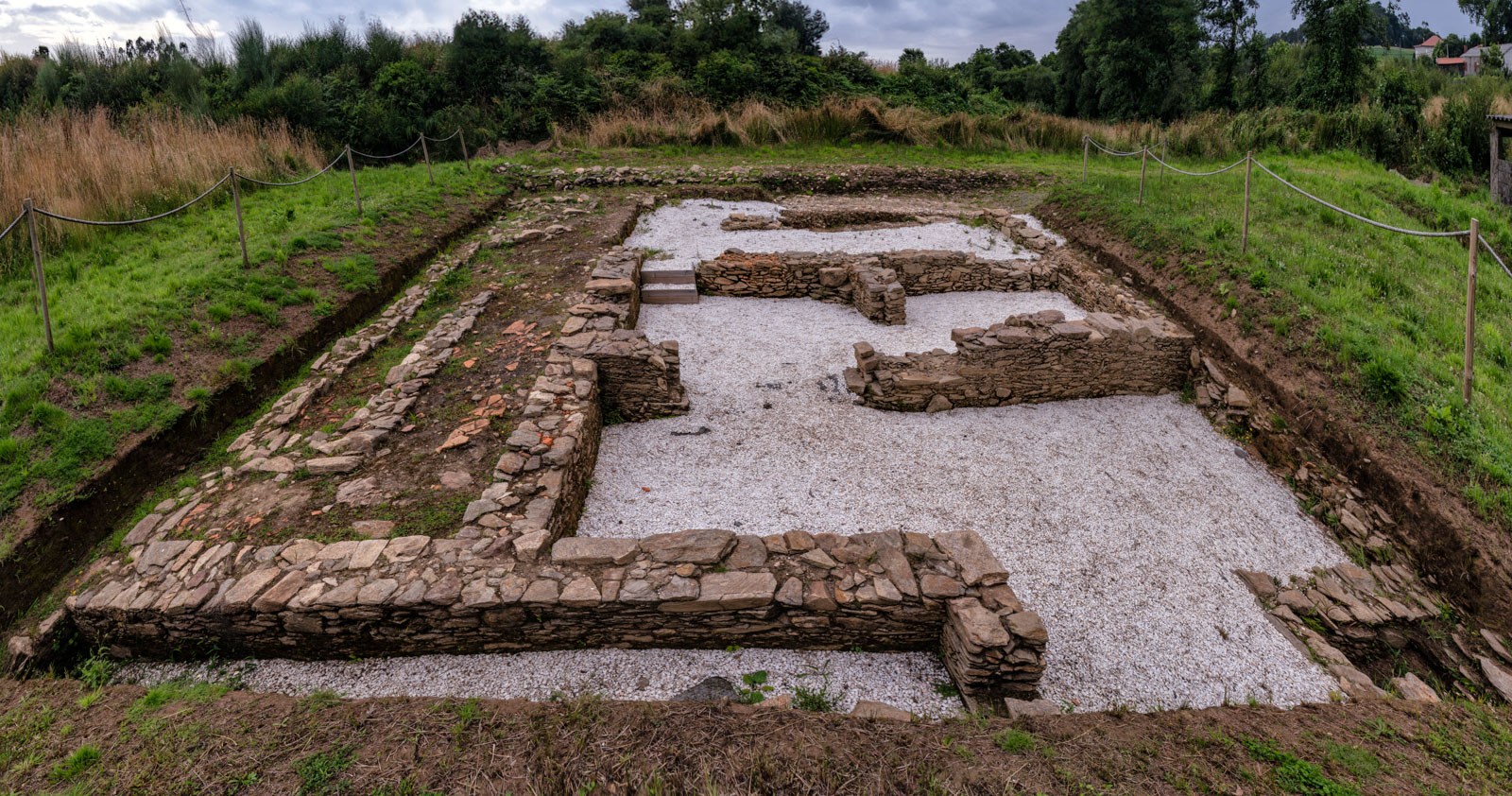
Among the new findings were a typical two-storey Roman house with a large entrance hall in the Pedra do Altar area, which could have been a mansion or an inn on Via XX and was probably first occupied in the 1st century; the remains of an urban Roman road, also in this area, and another section of roadway on the left bank of the river Xallas, near the old bridge; and many potsherds, mainly from outside Galicia. In the latest excavations, in September 2024, part of a Roman house or domus and the foundations of another were discovered, demonstrating the existence of a medium-sized town. Materials from the eastern Mediterranean were also discovered. The dating of the remains indicates occupation from the 1st to the 5th century C. E.
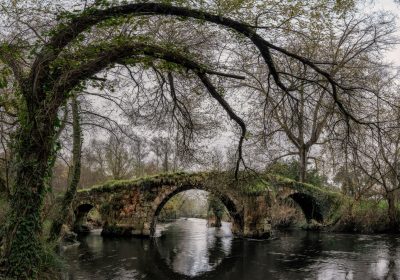
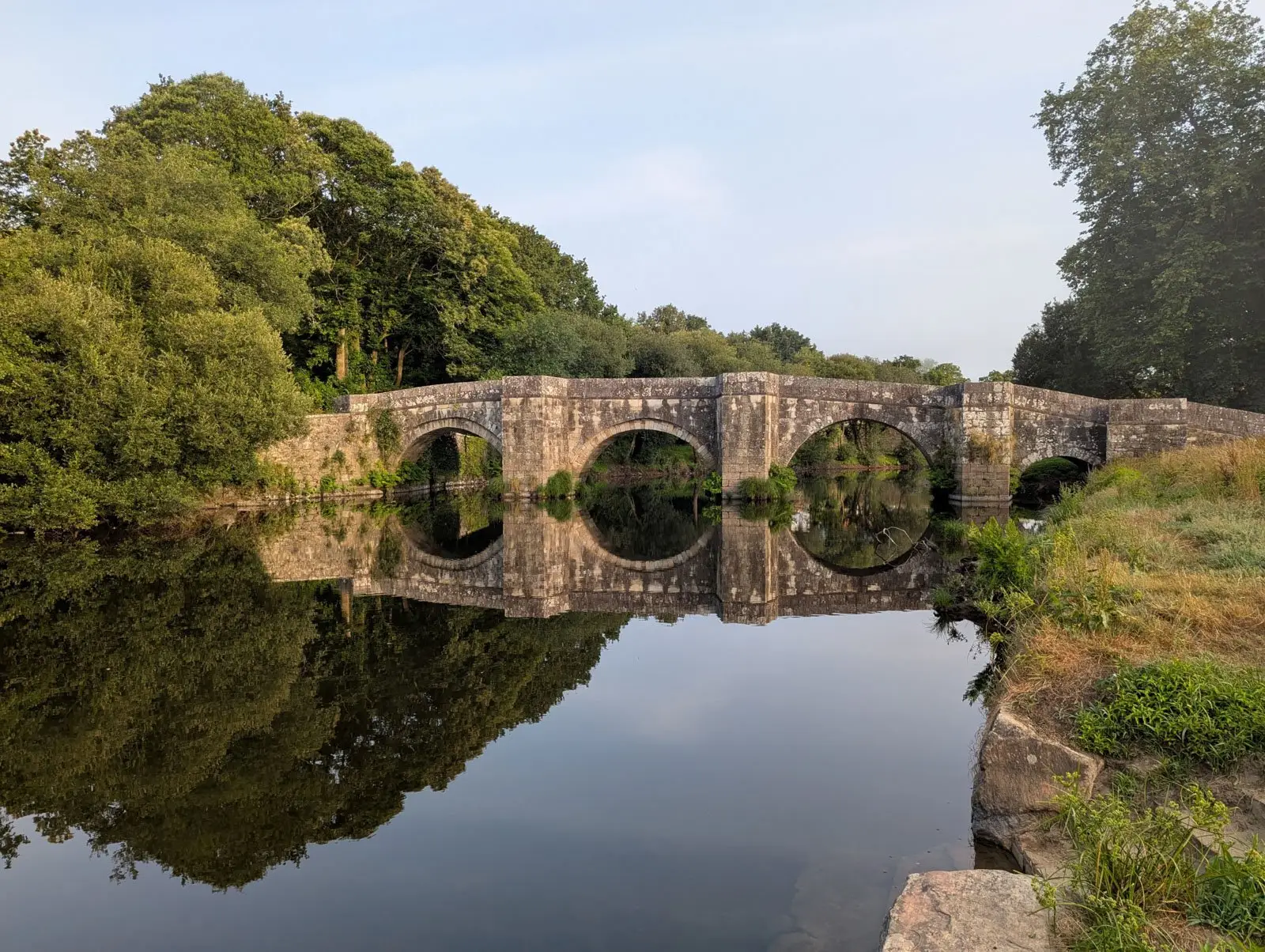
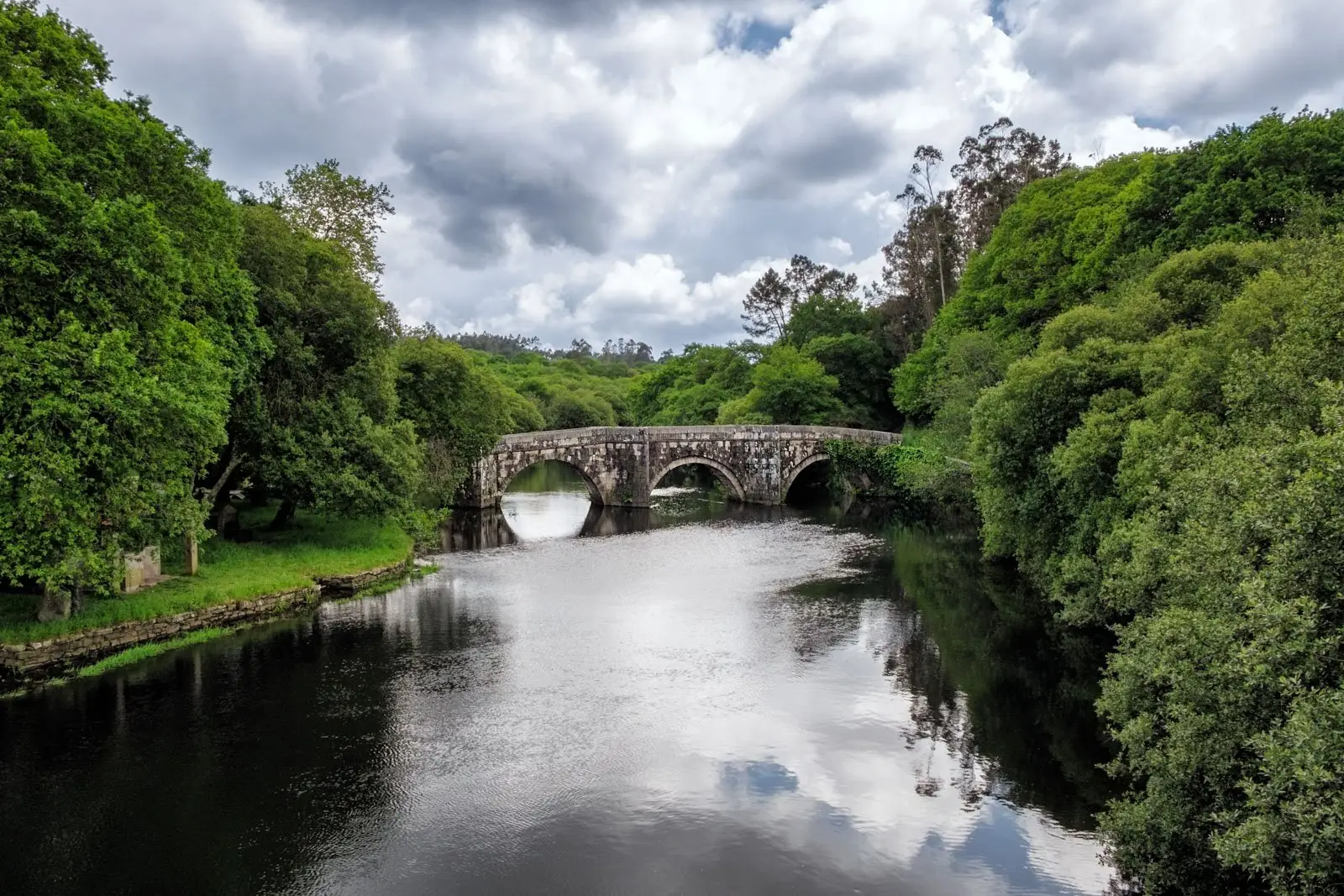
An essential feature of Brandomil is its old bridge over the river Xallas, whose Roman origins most investigators defend, which would have been on the hypothetical Via XX, even though the bridge that can be seen today came much later. The first documentary evidence is from 1286. In 1989 a serious flood on the Xallas destroyed the central arch but, thanks to restoration, you can still see one of the most important historical bridges on Costa da Morte.