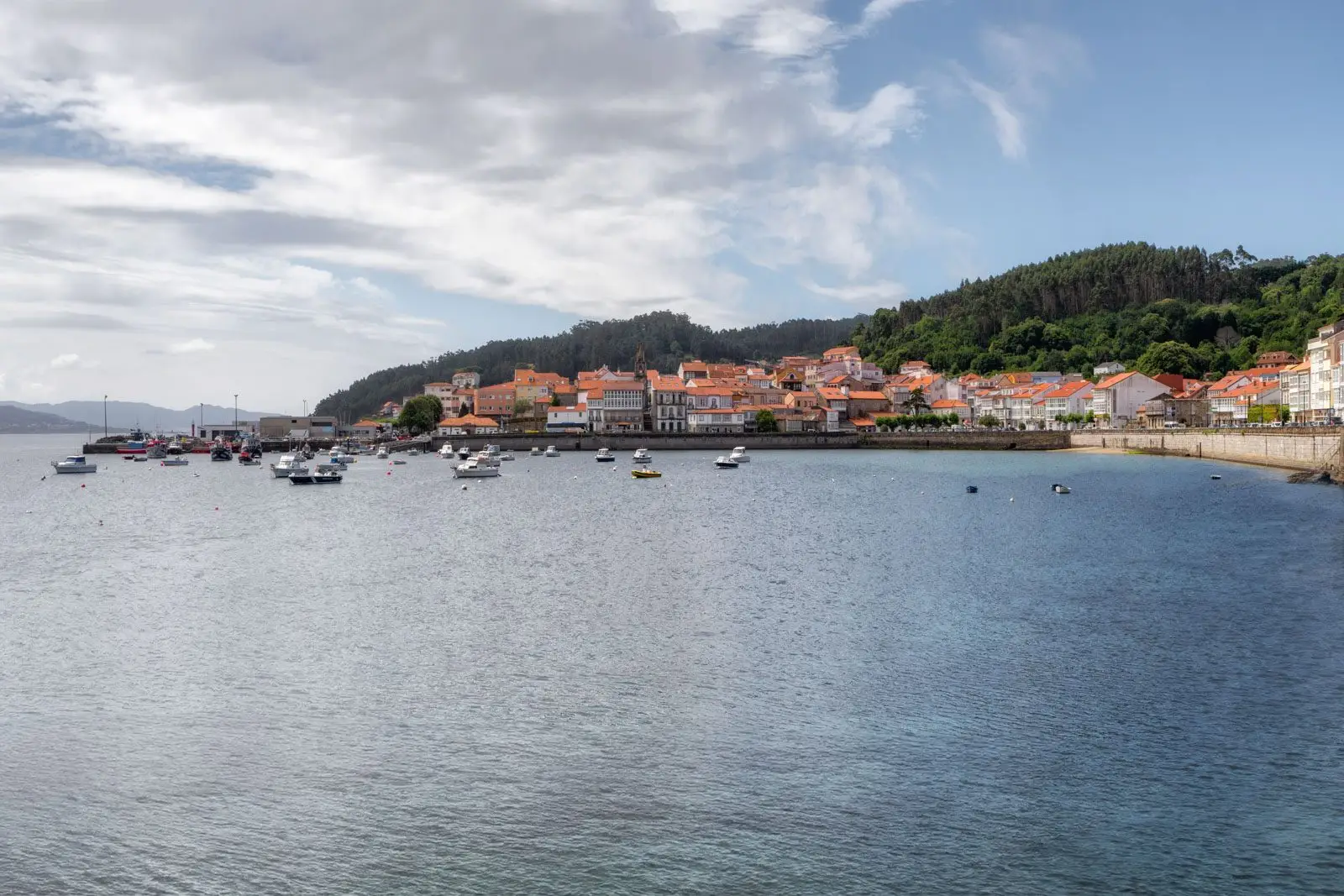


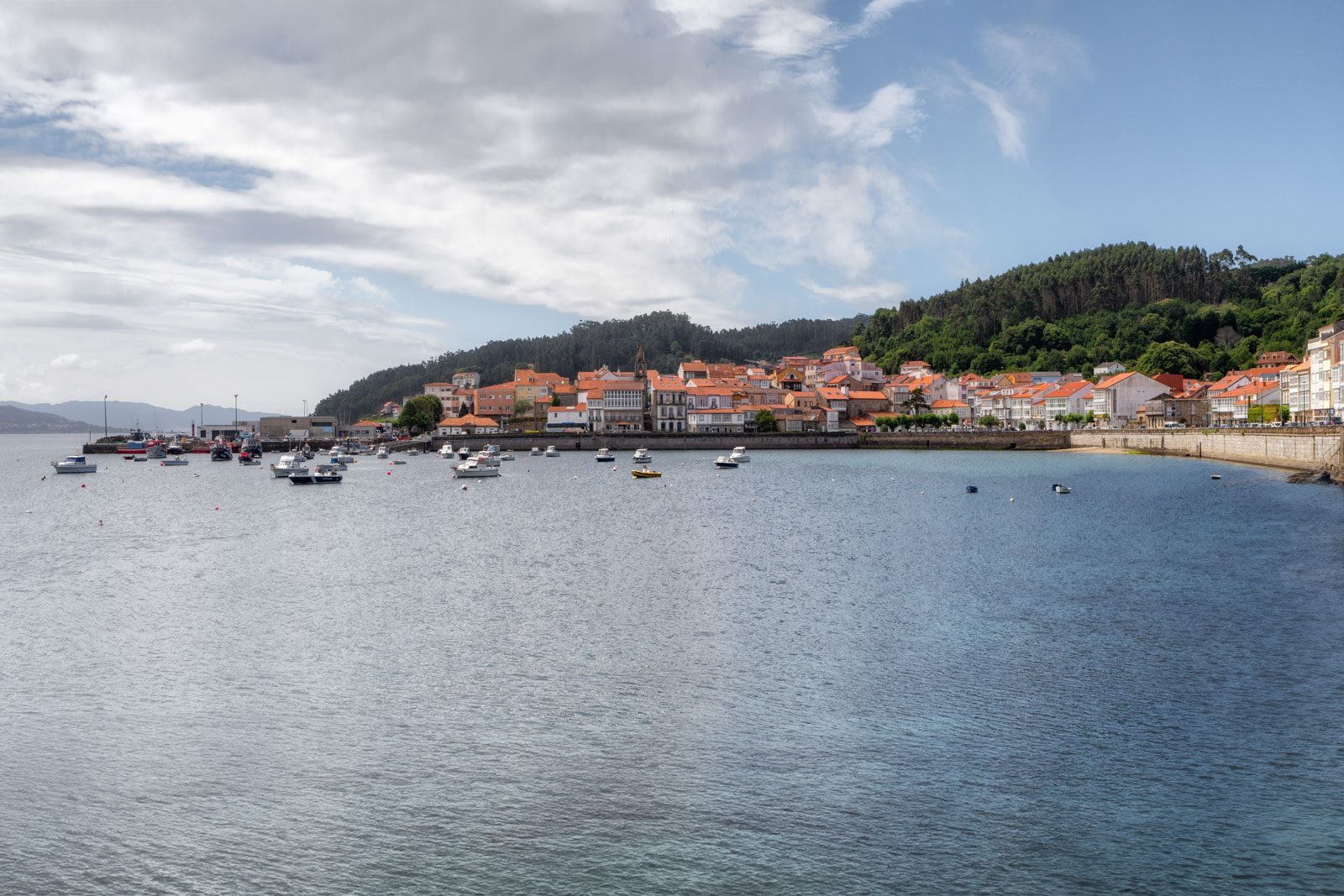
The town of Corcubión, today the main town of this small municipality, was the administrative centre of the domain over which the Moscoso de Altamira family exercised authority. The origins of this town and the first parish need to be found in the tiny hamlet of Santo Andrés da Canle, which no longer exists. It was in the 13th century that the settlement moved to the seashore and the new parish of San Marcos was founded. The new patron saint is evidence of the commercial relations between the Moscosos’ port and the Italian Republic of Venice.
In addition to trade, during the Old Regime the residents of Corcubión earned their living by fishing for sardines and conger eels. In the second half of the 18th century, with the arrival of the Catalans, several salting factories were established in the port and continued to operate into the following century.
At the beginning of the 19th century, Corcubión was the place most punished by French troops, which destroyed the town mercilessly. This fact remained engraved in the memories of its population for many years. However, at the beginning of the 20th century, the town was considered one of the most active in the area. It had a number of services, many of them linked to the fact that it was the headquarters of the judicial district.
Today, Corcubión is a small town, which essentially depends on the service sector and tourism. The most interesting feature for travellers is its historical heritage, which, with some changes, has been preserved. For this reason, it was declared a Historical and Artistic Site in 1984.
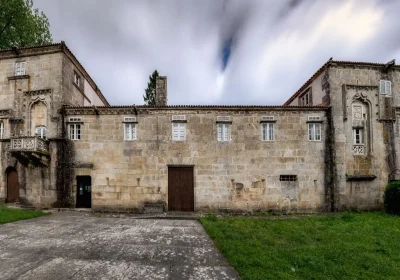
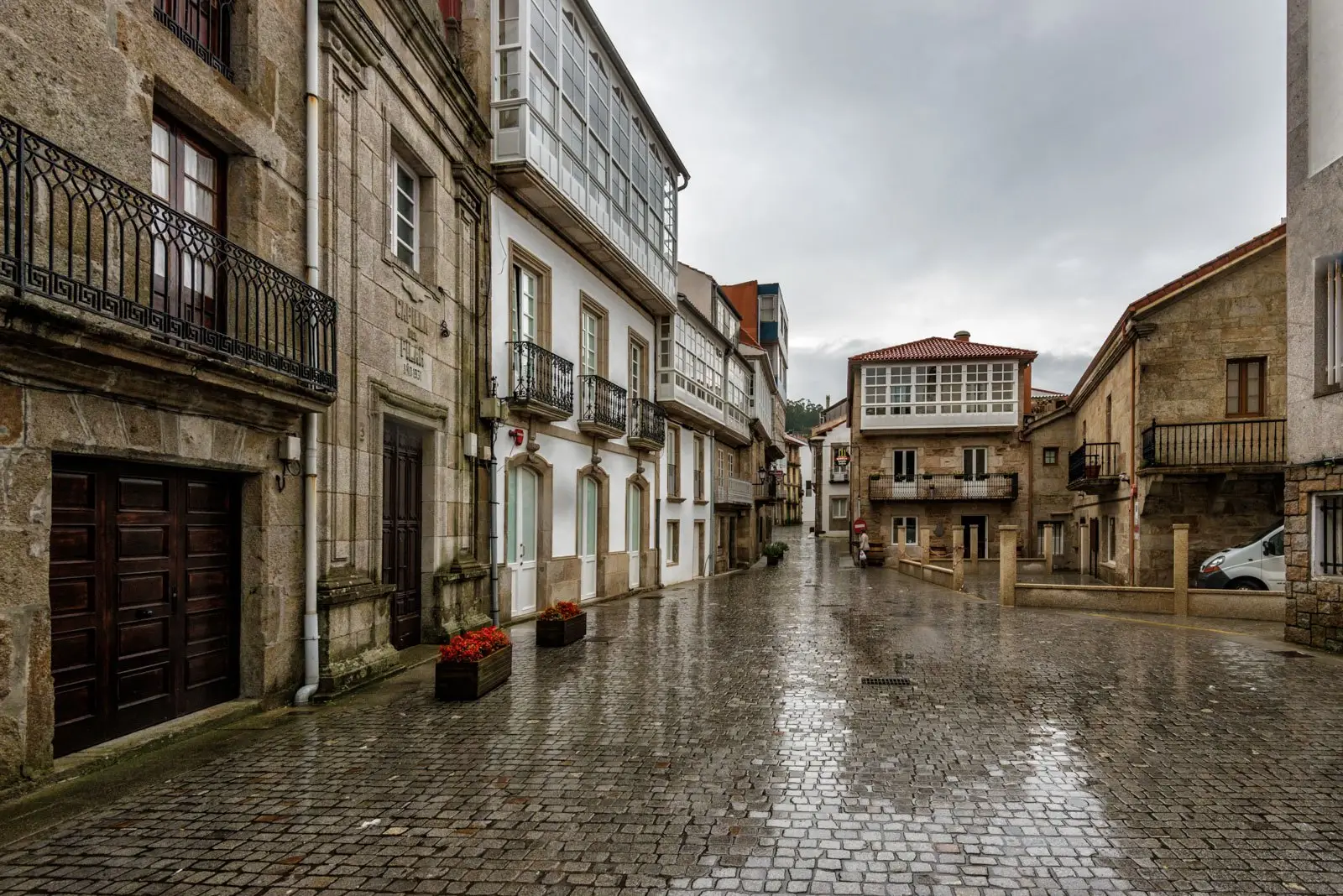
There are several places of interest to visit. On Castelao Square is the stately home of the Altamiras, a former 15th century fortress, the manor house of the Dios e Pose family and the chapel of O Pilar (dedicated to Our Lady of the Pillar), which was converted into the municipal auditorium, and several houses that belonged to the local petty bourgeoisie.
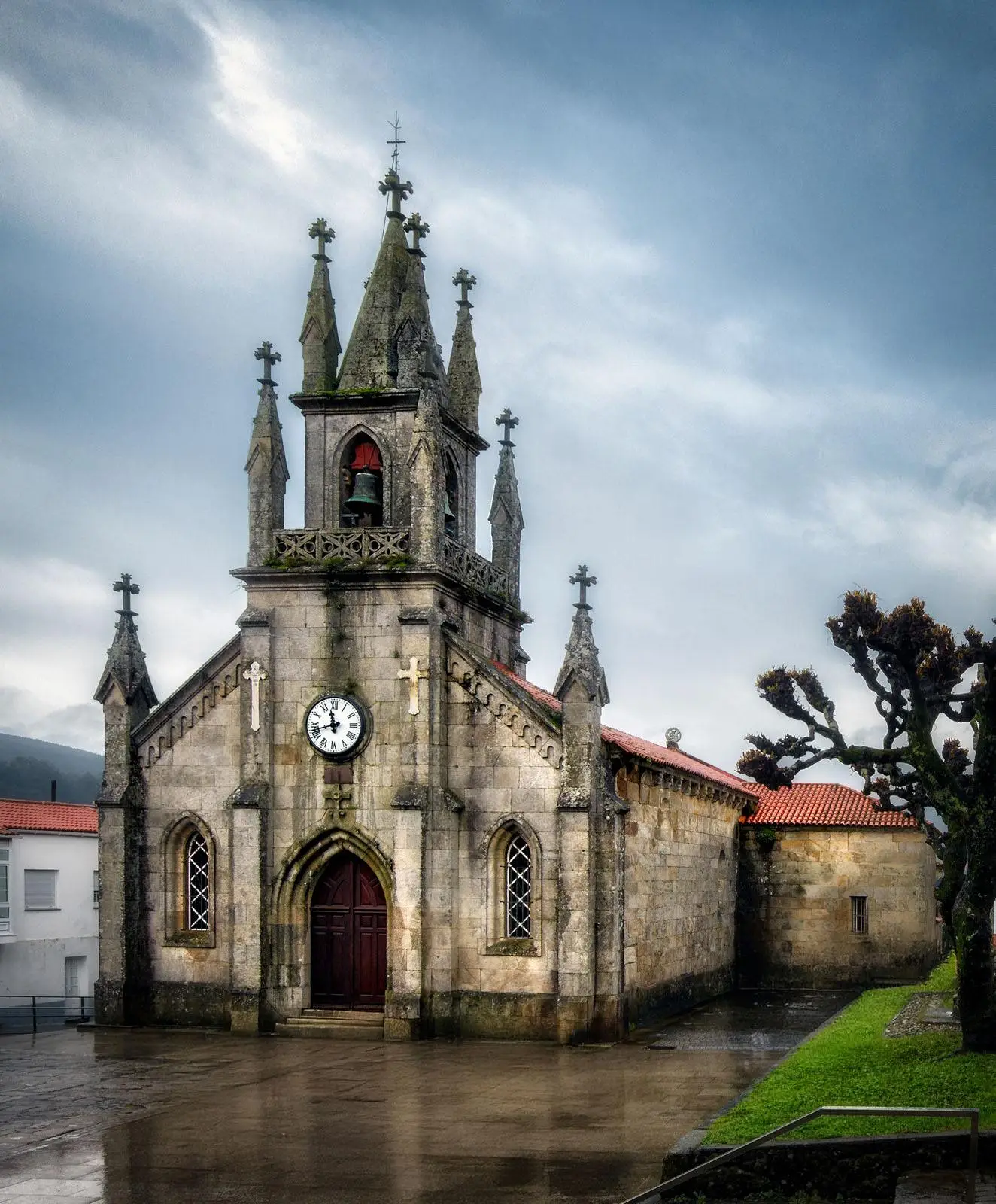
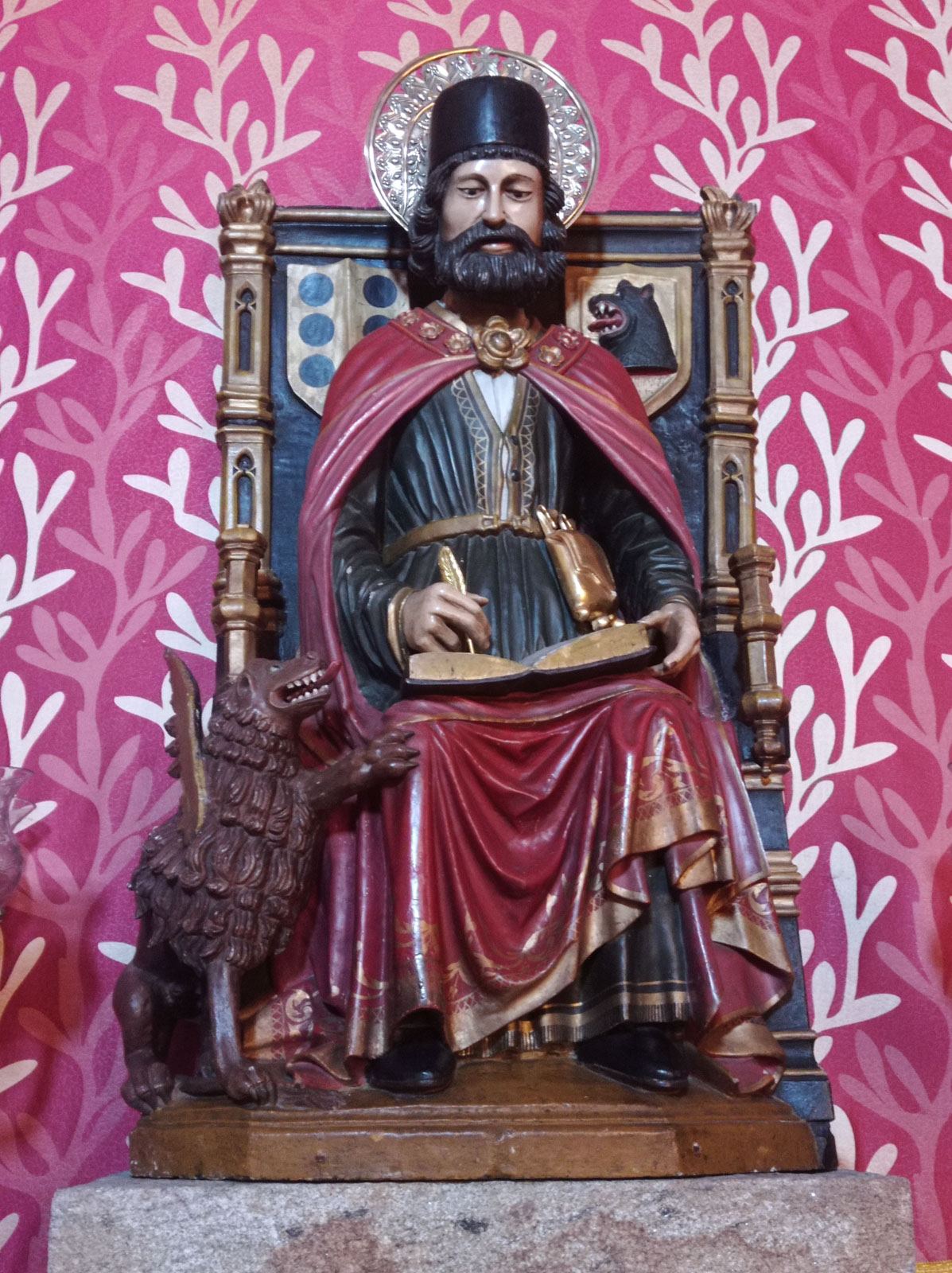
Close to this square is the parish church of San Marcos (dedicated to Saint Mark), a Gothic building, to which the side chapels of Our Lady of Perpetual Help and Virgin of Carmel were added in the 18th century. The façade had to be rebuilt at the end of the 19th century as the previous one was severely damaged after being struck several times by lightning. In the interior is a Gothic image of San Marcos da Cadeira (sitting Saint Mark).
In the town centre there are several squares, including Campo do Rollo Square and the square dedicated to the physician Ramón Carrera, and houses of noblemen with coats of arms on their façades. Another unusual building is the Casa do Concello, the town hall, built with a financial contribution from the philanthropist José Carrera Fábregas, who made his fortune in Argentina. It is also worthwhile to stroll along Rúa Antonio Porrúa, on which several interesting houses have been preserved, and continue along Rúa Peligros to the chapel of Santo Antón (dedicated to Saint Anthony), built at the end of the 17th century.
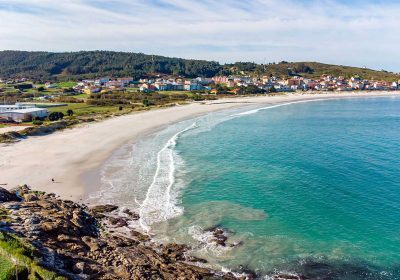
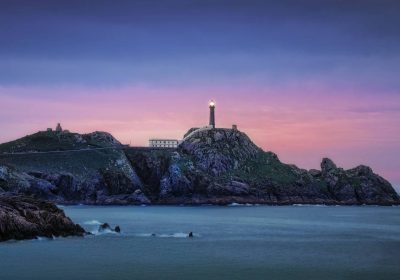
If you feel like taking a short car ride around the municipality of Corcubión, one recommended route is the road to cape Cee and the parish of San Pedro da Redonda. There, you will have the opportunity to see Cardeal castle, built in the mid-18th century, which stands behind the Prince’s Castle, the cape Cee lighthouse built in 1860, and the small Romanesque church of San Pedro da Redonda dedicated to Saint Peter).