Eduardo Pondal’s House

Civil architecture
Ponteceso

Find out more about Eduardo Pondal’s House

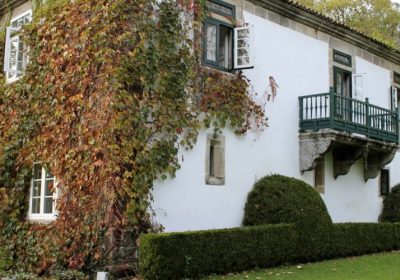
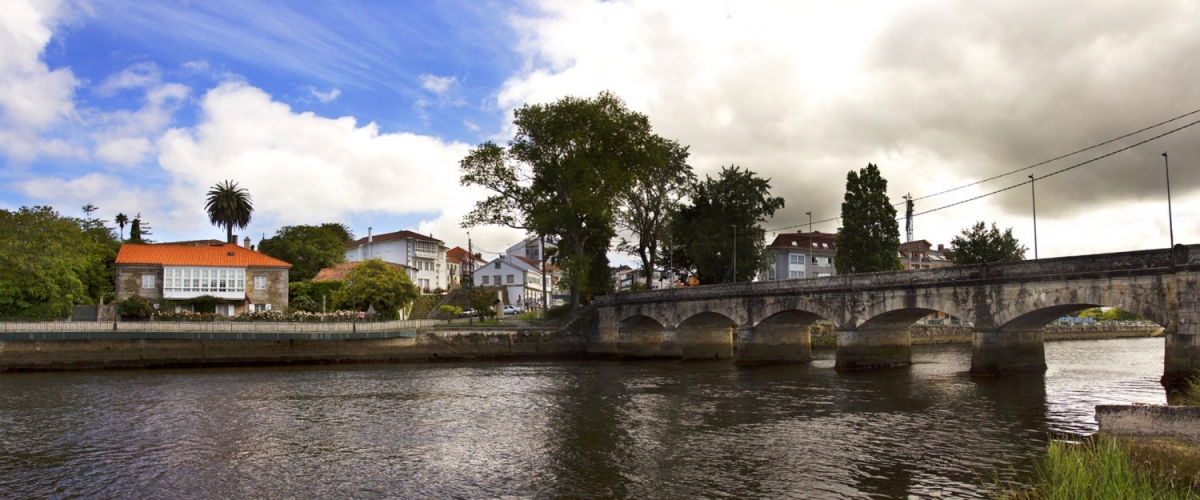
Pondal’s birthplace was built by his father in 1820, with the savings he collected in Argentine emigration. The ground floor of the house once served as a salt warehouse. In front of it was a mooring port for sailing boats that transported pottery from Buño, wood from Bergantiños, sand from the cove of A Insua and tile from the Rías Bajas.

Eduardo Pondal, born in 1835 into a family of rank, was, together with Curros Enríquez and Rosalía de Castro, one of the architects of the “Rexurdimento” of Galician literature and the main person responsible for the creation of Celtic myth in Galicia. Pondal forged a cultured literary language with which he extolled nature and the wild landscape of the lands of Bergantiños and Xallas, always present in his work.
Lighthouses, rivers, beaches and much more on the Costa da Morte

Other places of interest in Ponteceso

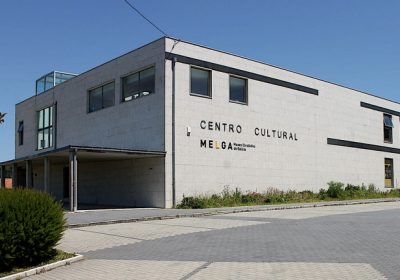
MELGA Ponteceso
The Ethnoludic Museum of Galicia (MELGA) is a permanent museological institution...
Festiletras Festival of O Couto
Culture and Costa da Morte are two realities that walk hand in hand. This relati...
A Barra (Ponteceso)
The beach of A Barra is still a place to discover. A beach where occupancy is lo...
Barda Beach
Located in a peaceful cove surrounded by mountains, Playa de Barda offers visito...
Laxe and Corme estuary and Anllóns River
The first of the estuaries of the Costa da Morte seen from north to south is tha...
Monte Branco de Ponteceso
Monte Branco de Ponteceso is more than just one of the largest rampant dunes in ...
Church of San Martiño de Cores
The church of San Martiño de Cores is a thirteenth-century construction remodele...
Fuso da Moura (Ponteceso)
Where the “moura” lost the spindle The Fuso da Moura is a stone ste...
Church of San Fins de Anllóns
The church of San Fins de Anllóns is in Baroque style, although its origin is Ro...
To Tremosa (Ponteceso)
A Praia da Tremosa, situada no corazón da Costa da Morte, consolidouse como un d...