BUÑO, THE VILLAGE WHERE CLAY BECOMES ART

Immerse yourself in Malpica De Bergantiños through “BUÑO, THE VILLAGE WHERE CLAY BECOMES ART”. If you care about local identity, this chapter will hook you. Tip: look out for barro.
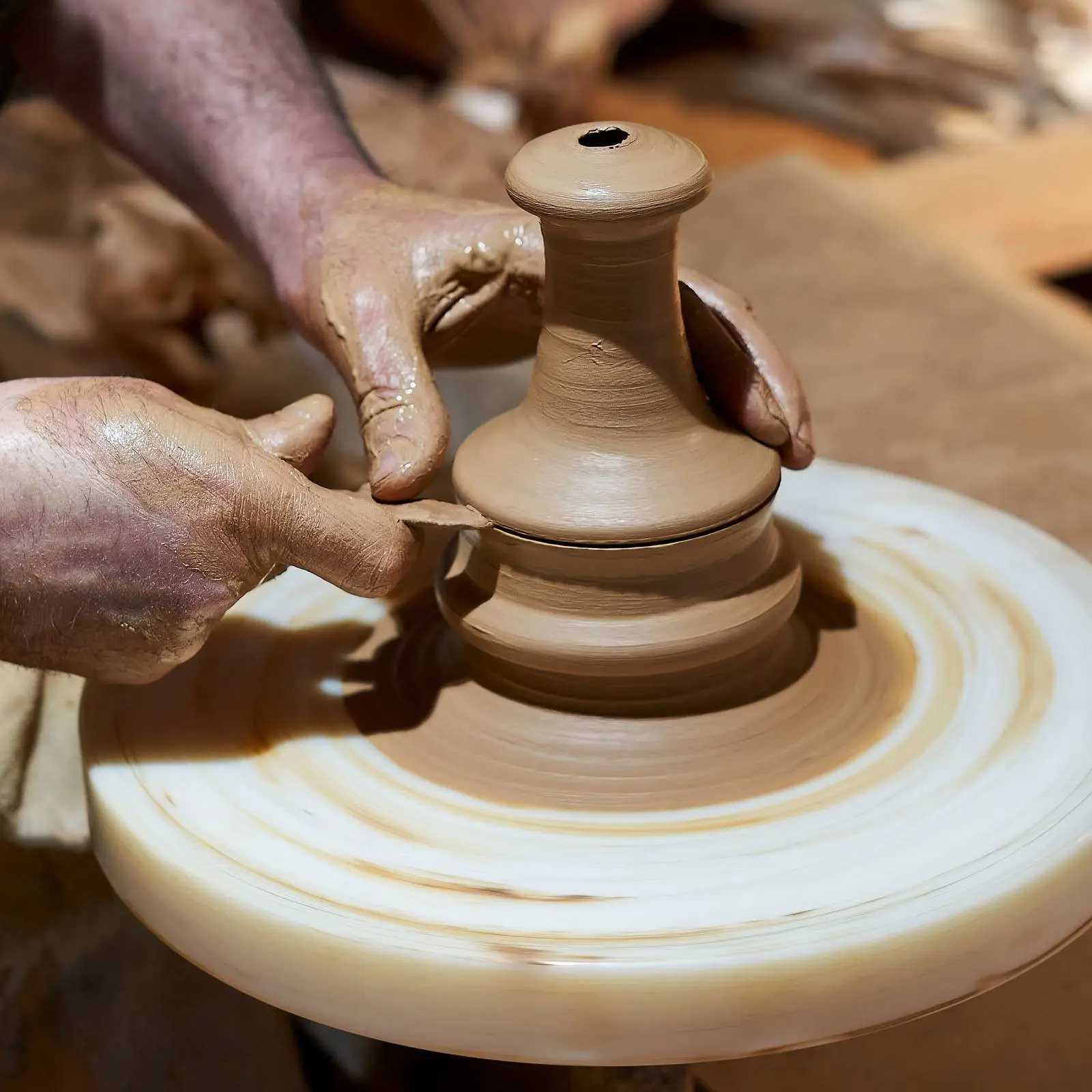
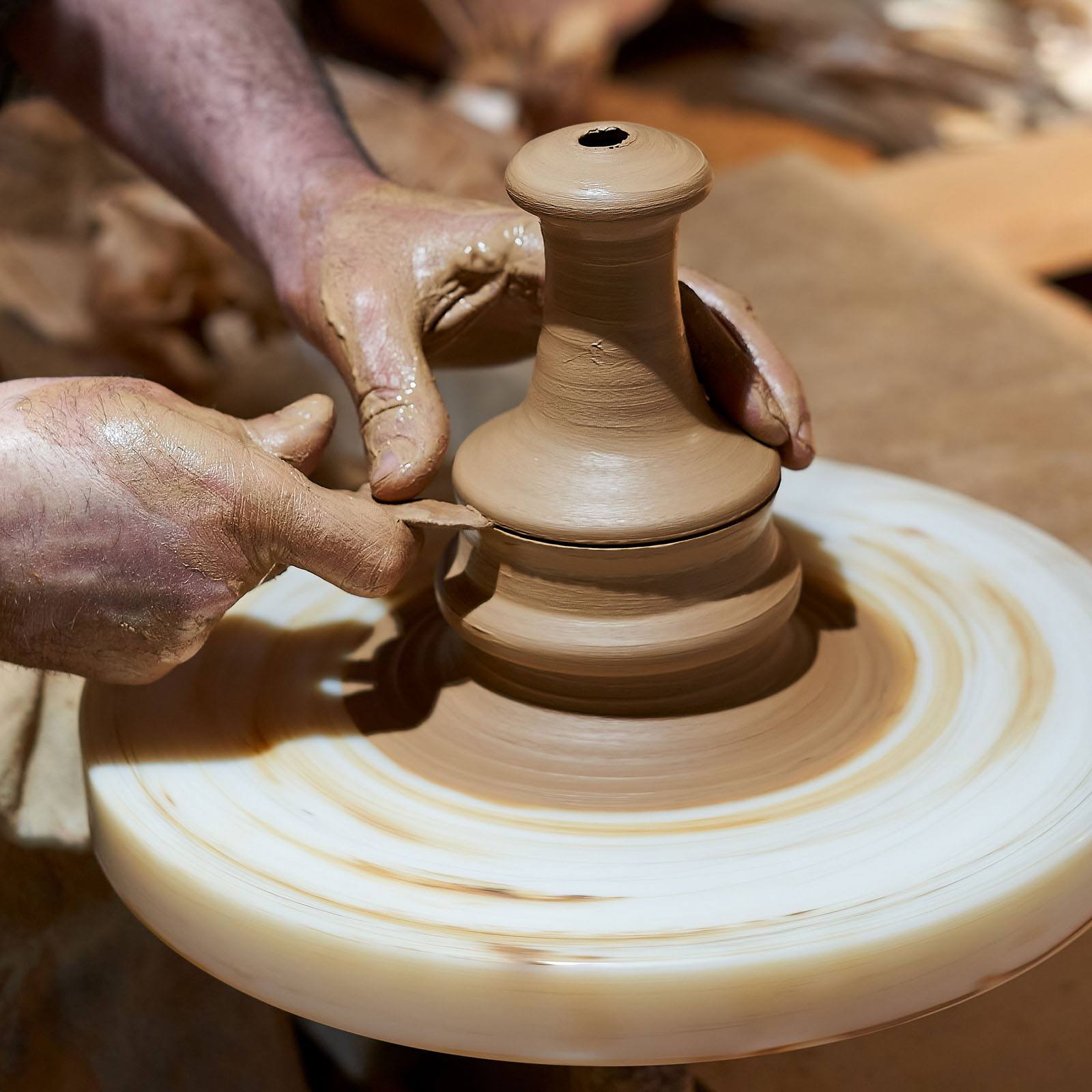
43. Elaboración dunha peza oleira de Buño

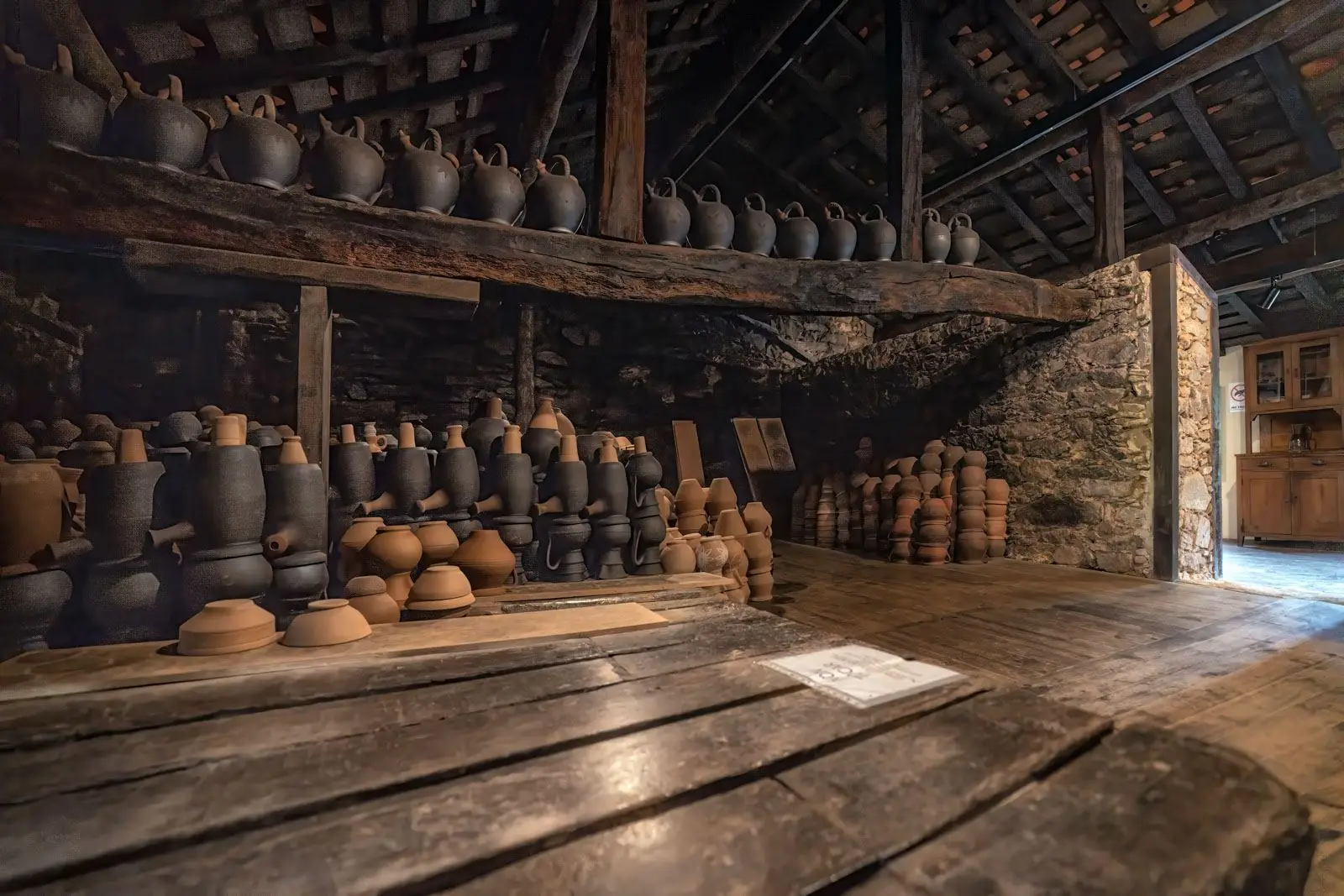
The town of Buño is known all over Galicia for its traditional pottery. The people of Buño may have engaged in this activity as far back as prehistoric times, when the first settlers in the area around Couto dos Barreiros discovered the rich deposit of clay that would allow them to make pottery.

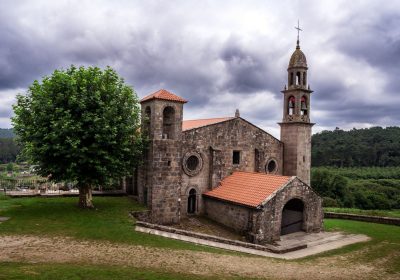
The inhabitants of the nearby fortified settlements would certainly have used the raw material to make household utensils and, once they abandoned those places, they could have been the founders of the original Buño at the foot of Couto dos Barreiros, where today the Cruceiro das Cabras calvary and the parish church of Santo Estevo (dedicated to Saint Stephen) stand.

Later, the settlement moved to a higher, sunnier site, where the Santa Catalina hermitage (dedicated to Saint Catherine) and hospital were, creating the present-day town of Buño. Its inhabitants continued to engage in pottery, which was documented for the first time in the second half of the 16th century.

Over the years the number of potters increased and the population of the town grew. In the mid-18th century, there were 77 potters working in 63 workshops, when the population of Buño was around 500 people. Pottery continued to increase in the following century and into mid-20th century, when it began to die out due to the arrival on the market of industrially produced housewares.

The products of the artisan potters of Buño were sold at the open-air markets and in the market halls of the district and Galicia in general. They were distributed by muleteers from the Terra do Xallas region, called xalleiros. There is also evidence that pottery from Buño was exported by sea. Father Sarmiento noted that sailors from Moureira (Pontevedra) came to Buño to buy pottery, which they shipped out from the port of Ponteceso.

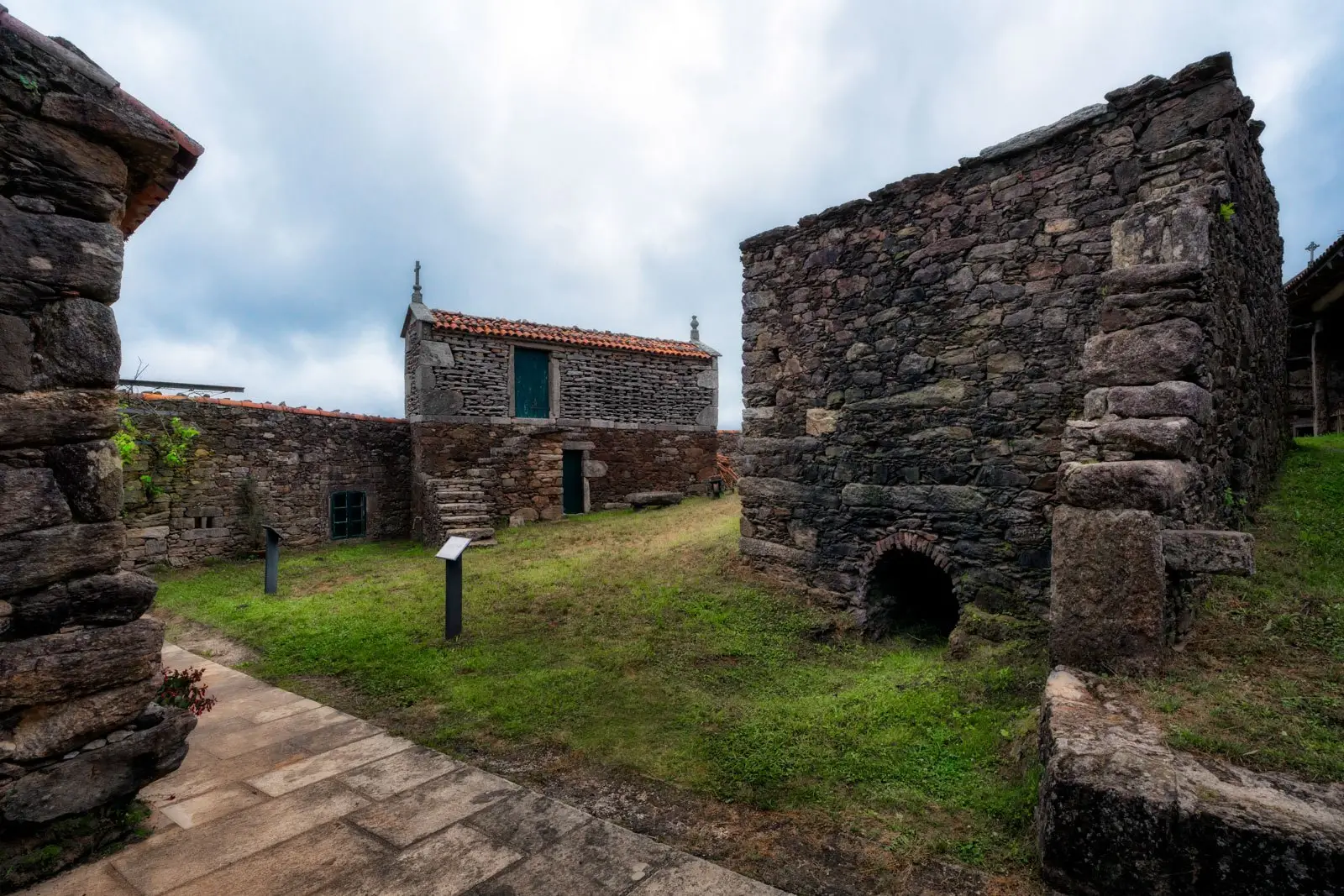
The pieces were thrown on a wheel and then fired in the communal kilns in the different neighbourhoods of the town. Communal work was needed to prepare the kilns very carefully and ensure that the batches were not ruined.

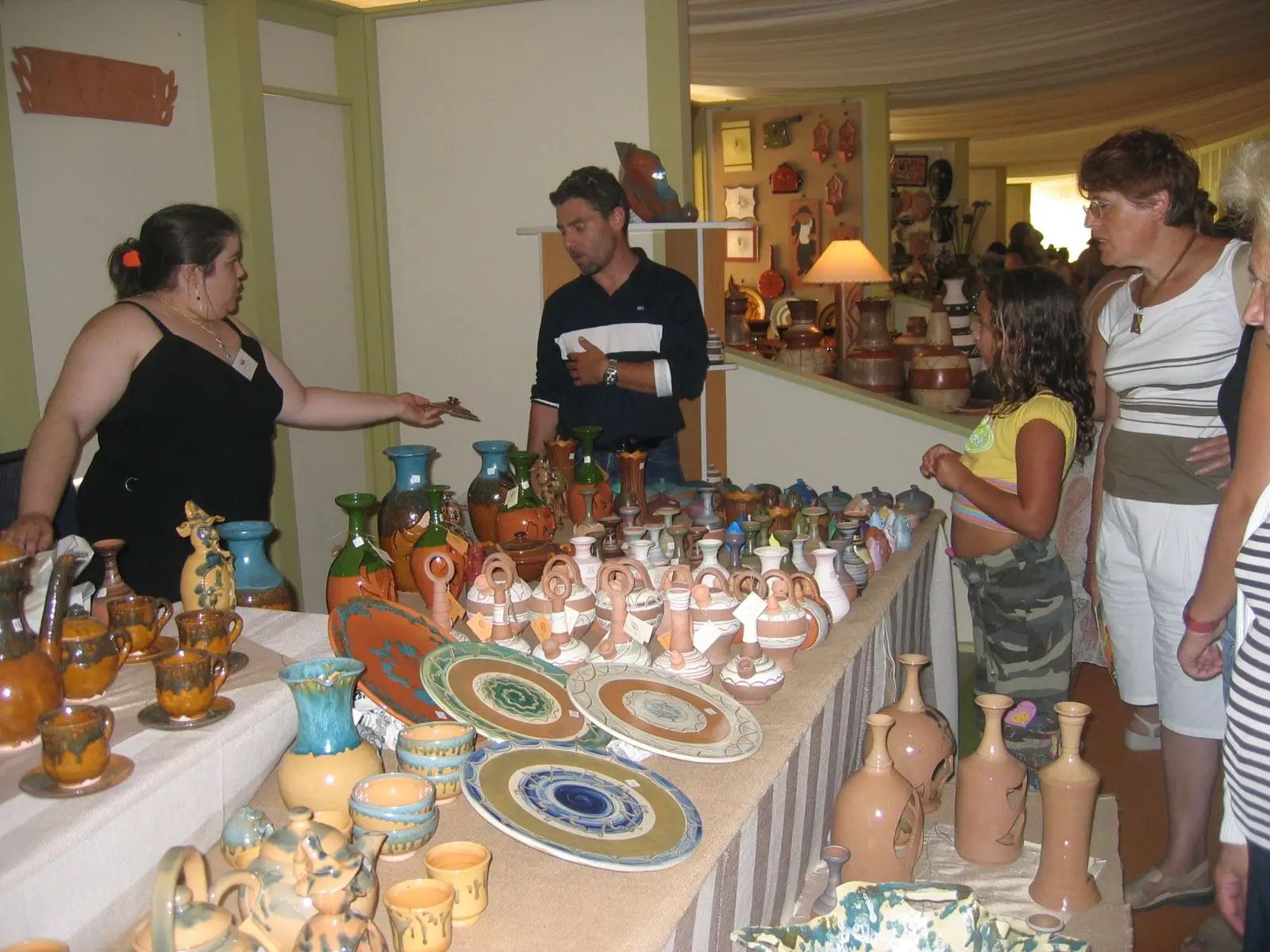
Recent social and economic changes have forced potters to use new designs and formats, intended to be decorative rather than functional, and to organise themselves into the Buño Pottery Association, which defends the profession and schedules the Mostra de Olería, or Pottery Show, that has been held in the town in the first two weeks in August since 1983. At the show, visitors have the opportunity to see a wide-ranging display of local pottery and to attend a varied programme of cultural activities linked with the event. During the rest of the year, it is possible to visit the Forno do Forte ethnographic complex, restored as a museum by the A Coruña provincial government and see how the potters lived in the 1950s.
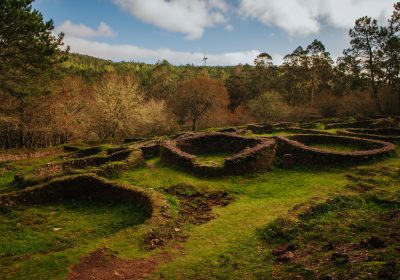
Photo gallery of BUÑO, THE VILLAGE WHERE CLAY BECOMES ART

Discover the Costa da Morte on our blog

Blog Costa da Morte

LIRES, A HAVEN OF PEACE FROM FISTERRA TO MUXÍA

Between the southern end of the Nemiña beach and Mellón Point, the small Lires ría meets the ocean. In fact, it is the m...

Prehistoric monuments in Costa da Morte

Costa da Morte, located in the northwest of Galicia, is known for its natural beauty, but also for its rich historical a...

Surf beaches in Galicia: 14 Costa da Morte beaches

If you are looking for surf beaches in Galicia, the Costa da Morte deserves a place on the map from the start. Here, wel...

THE VALLEY OF THE RIVER BEBA, AN INTENSELY GREEN LANDSC...

The valley of the river Beba lies between the Ruña hills and a hillock that separates it from the Mazaricos valley. It o...

MENS, A LAND OF MONKS AND NOBLEMEN

The parish of Santiago de Mens, some 6 km from Malpica on the DP-4307 road to Ponteceso, has preserved two of the m...

MAZARICOS WATERFALLS, WATER AS AN ART FORM

The municipality of Mazaricos cannot offer visitors a marine landscape, as it has no coast, but it does have ideal condi...

Tourist Information Points in Costa da Morte 2025: your...

Planning your holiday on the Costa da Morte? With the 2025 Guide to Tourist Information Points in Costa da Morte, you’ll...

CAPE TOURIÑÁN, THE LAST SUNSET IN EUROPE

In the 1920s, the Muxiá poet Gonzalo López Abente already considered Cape Touriñán to be the westernmost point in Galici...

MORAIME, HISTORICAL CENTRE OF COSTA DA MORTE

There is a great lack of knowledge of the history of Moraime and the role that it played in the past as the religious an...

THE DOMBATE DOLMEN, THE CATHEDRAL OF MEGALITHIC GALICIA

The megalithic culture is one of the most important symbols of the identity of Costa da Morte. More than 600 sites have ...

Upcoming events on the Costa da Morte

Find out instantly what activities await you on the Costa da Morte. Here you will find an up-to-date list of concerts, fairs, guided tours and shows that take place on the Costa da Morte. Don’t miss any event: experience the culture, sport and tradition of our region. And if you want to find out before anyone else, sign up for our newsletter and you will receive all the news in your email.

  • Monday
    23
    November

    Feito co Mar Training ...

    Thinking about starting a business connected to the sea? GALP Costa So...

  • Monday
    23
    November

    A viaxeira no tempo: e...

    On Monday 23 November 2026 at 11:15 am, A viaxeira no tempo is an esca...

  • Monday
    23
    November

    Ending sexual violence...

    On Monday 23 November 2026 at 12:45 pm, IES Maximino Romero de Lema in...

Logo Cmat Color Fondo Transparente
Privacy Overview

This website uses cookies so that we can provide you with the best user experience possible. Cookie information is stored in your browser and performs functions such as recognising you when you return to our website and helping our team to understand which sections of the website you find most interesting and useful.