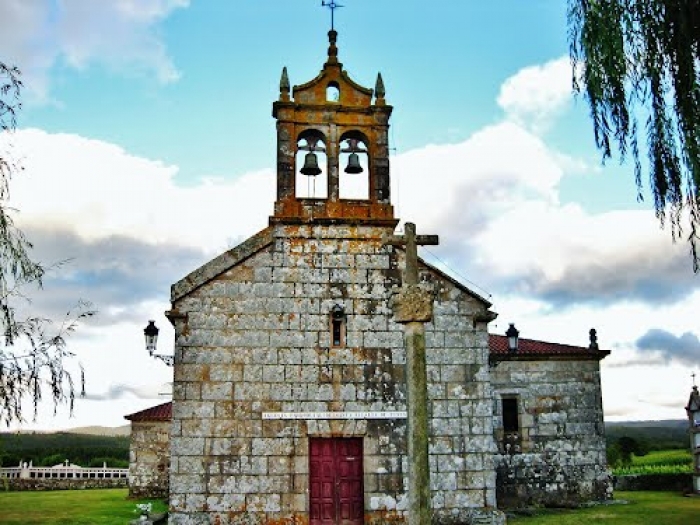
Church of Santa Eulalia de Tines

Religious architecture
Vimianzo

Find out more about Church of Santa Eulalia de Tines

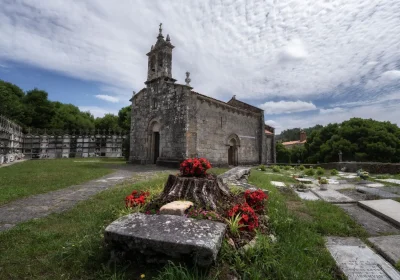
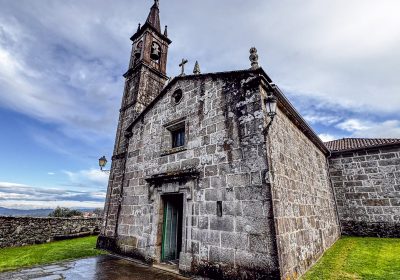
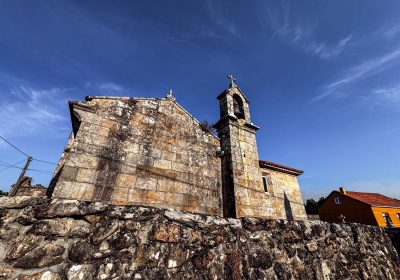
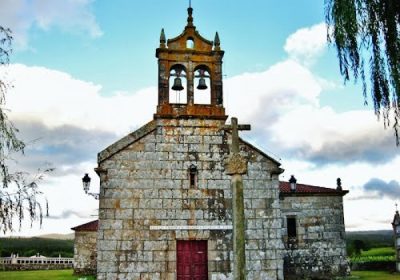
It responds to the Romanesque style, and has interesting capitals inside. In the atrium of the church and adjoining estates, important archaeological remains were found. In 1951, researcher Manuel Chamoso Lamas discovered a Roman-Swabian necropolis, with burials dating from the first to the eighth century AD. The findings also reveal the possible existence of a Roman villa.

In Tines the Funerary Stele of Victorino was found, which may be one of the first Christian testimonies of Galicia, dated between the fourth and fifth centuries. This stone is currently kept in the Archaeological Museum of A Coruña.
Lighthouses, rivers, beaches and much more on the Costa da Morte

Other places of interest in Vimianzo

Church of Santa Eulalia de Tines
It responds to the Romanesque style, and has interesting capitals inside. In the...
Pedra da Lebre (Vimianzo)
The mystery of the paintings A Pedra da Lebre is the beautiful name of a dolmen...
Sabadelle Beach
Between Traba and Camelle, in the parish of Carantoña, is the cove of Sabadelle,...
Sabadelle (Vimianzo)
The force of the waters of Costa da Morte give rise to numerous formations of bo...
Furna do Sapo Viewpoint: Panoramic coastal views in Costa da Morte
The Furna do Sapo Viewpoint, located in the parish of Cereixo (Vimianzo) and ver...
Vimianzo: Mirador de San Bartolo
In Vimianzo the highest place is occupied by the viewpoint of San Bartolo. The t...
Marco da Anta (A Laracha)
The stone that divides the parishes The Marco da Anta is one of the very few &#...
Arca do Rabós (Vimianzo)
Walking among burial mounds Walking through a meadow, we see in a tree plantati...
Pedra Cuberta (Vimianzo)
The paintings of the Germans Pedra Cuberta is one of the emblematic dolmens of ...
Fagía de Carnés, centenary festival dedicated to tripe
The “Fagía de Carnés” is one of the oldest gastronomic festivals in ...