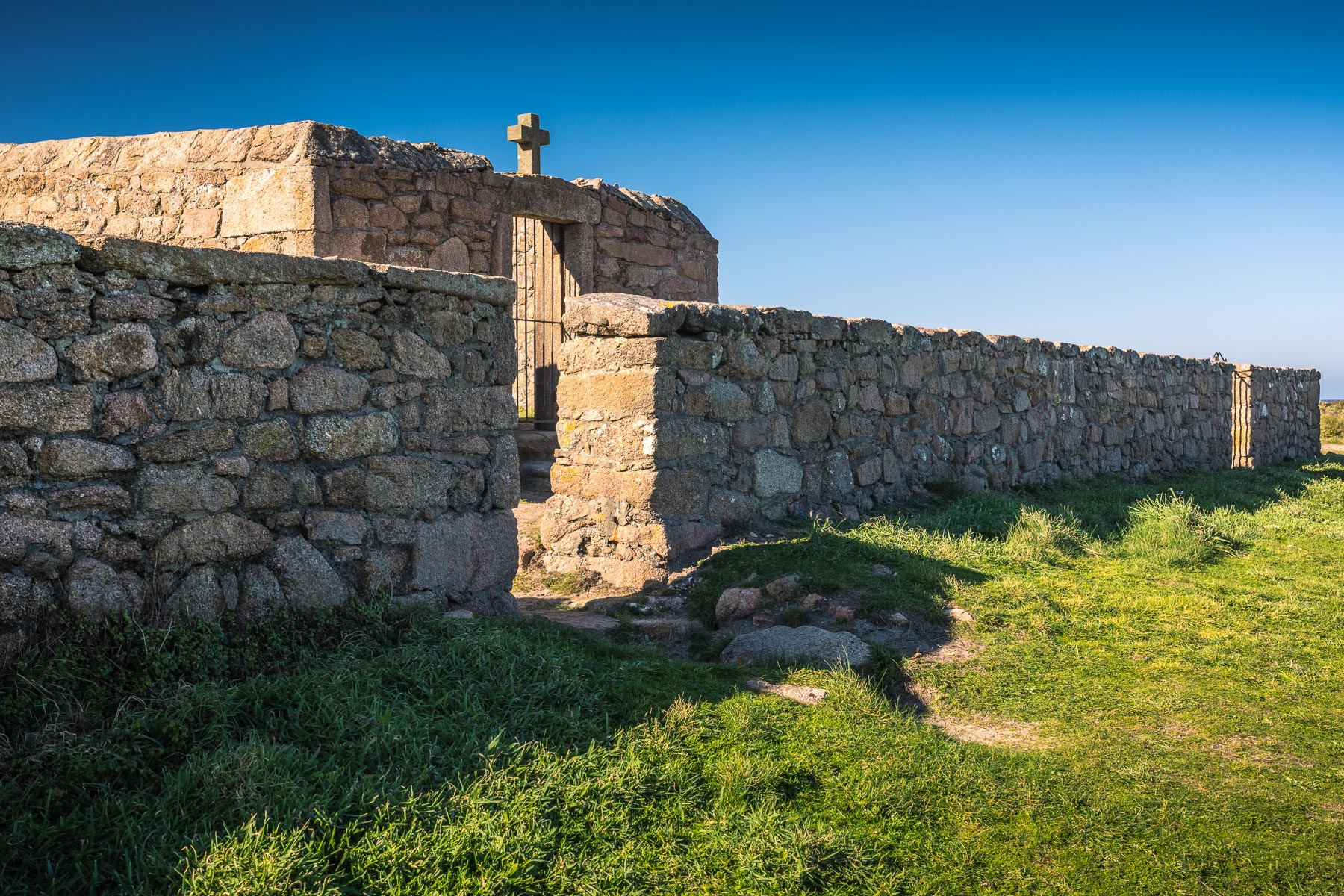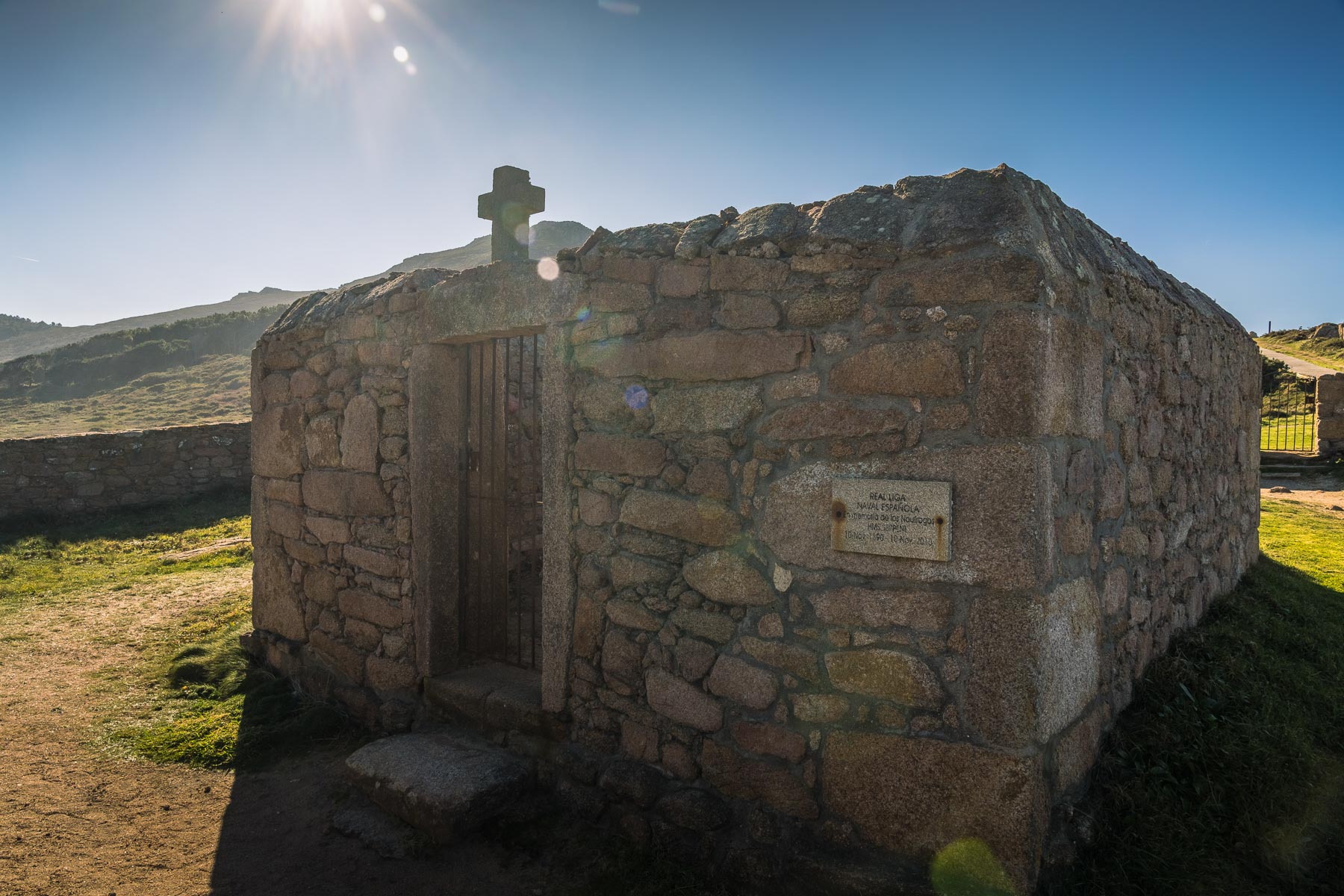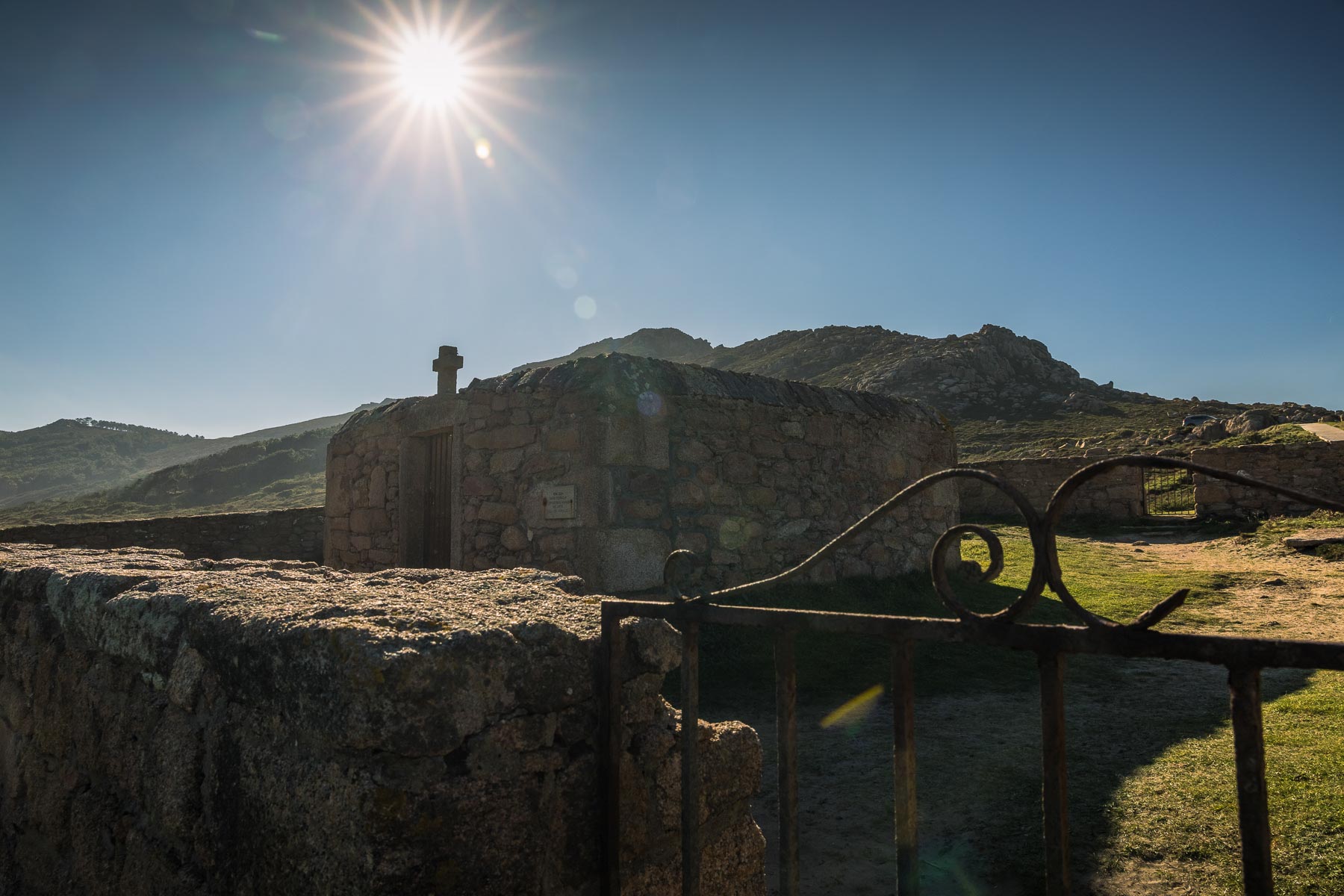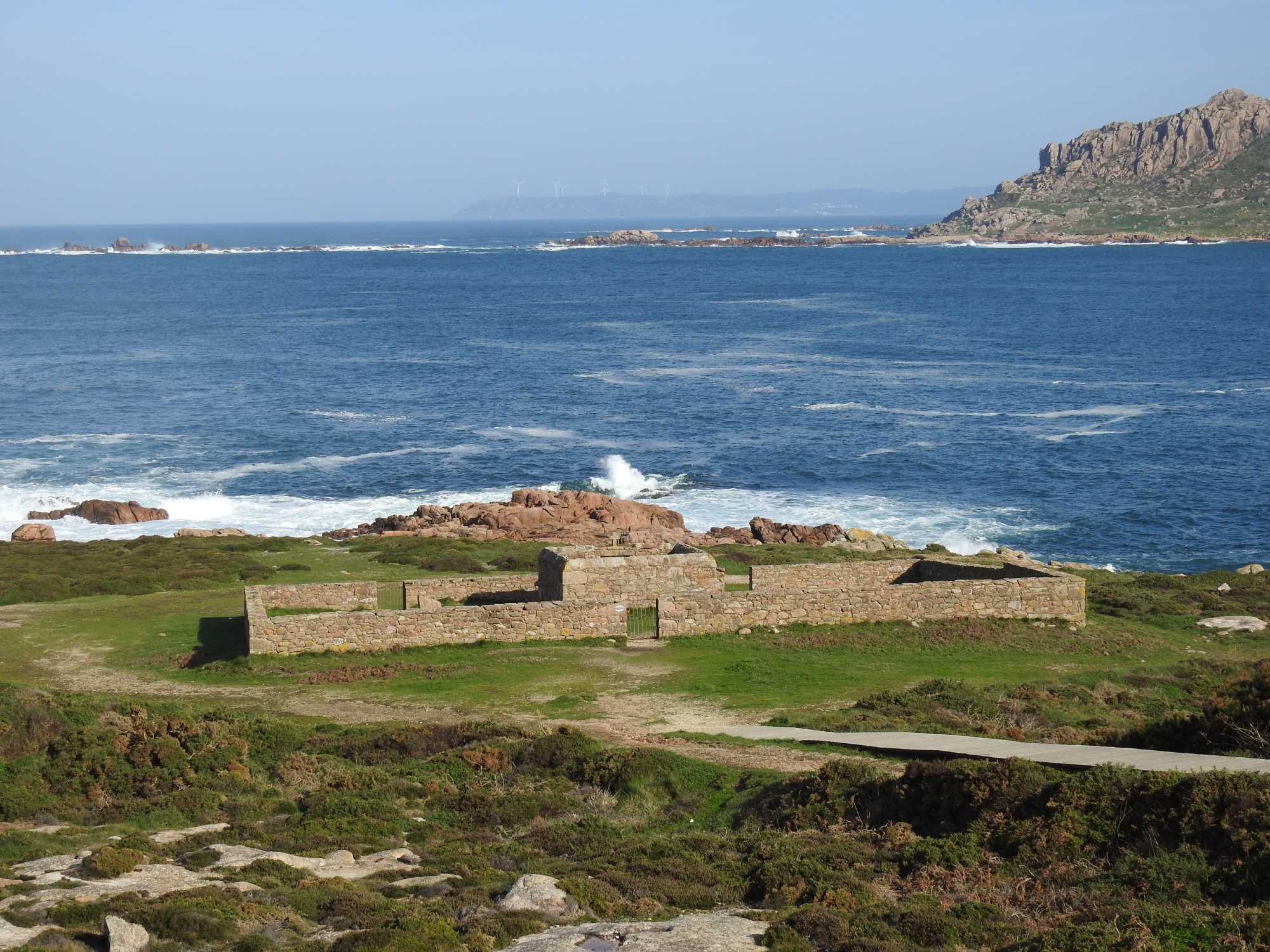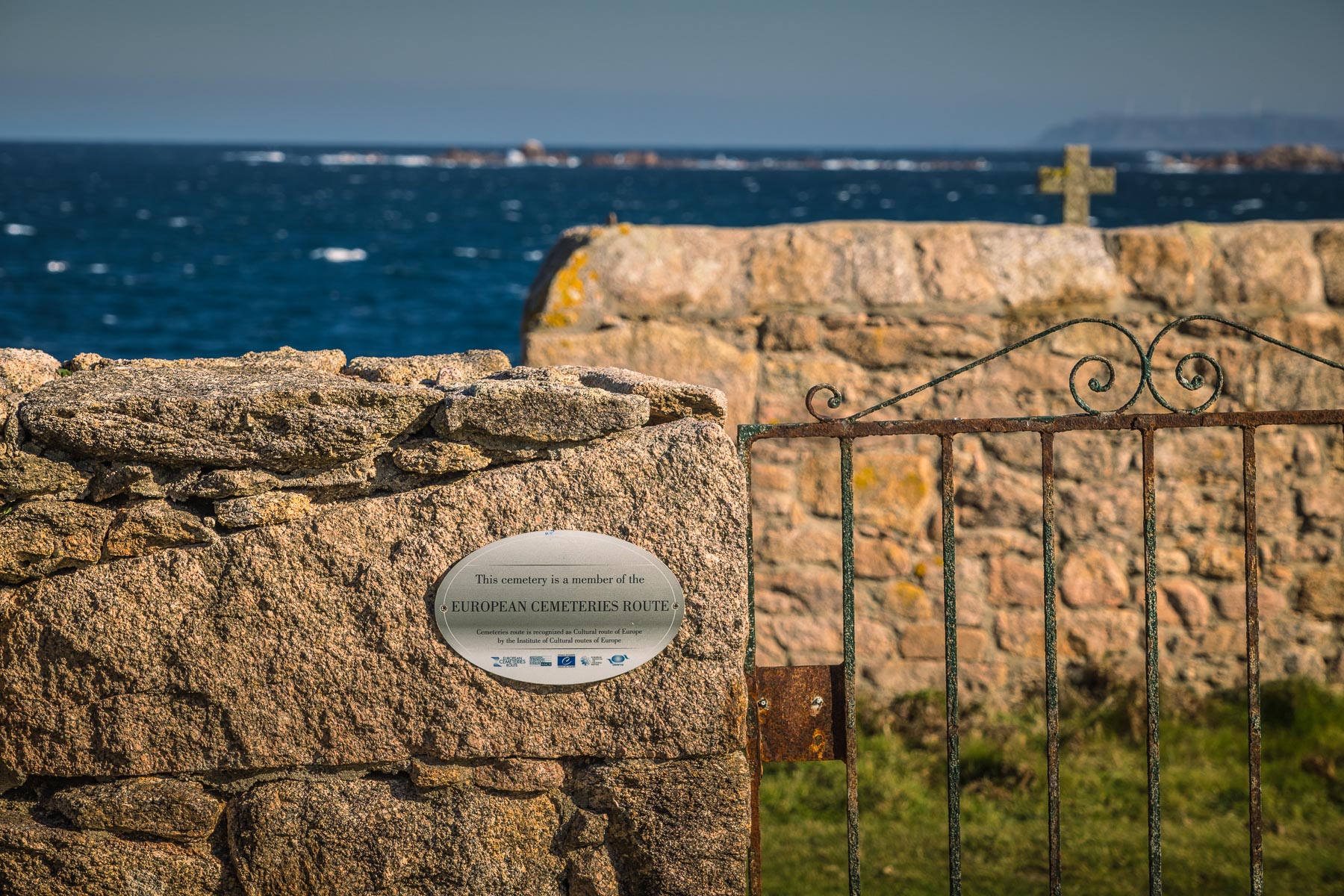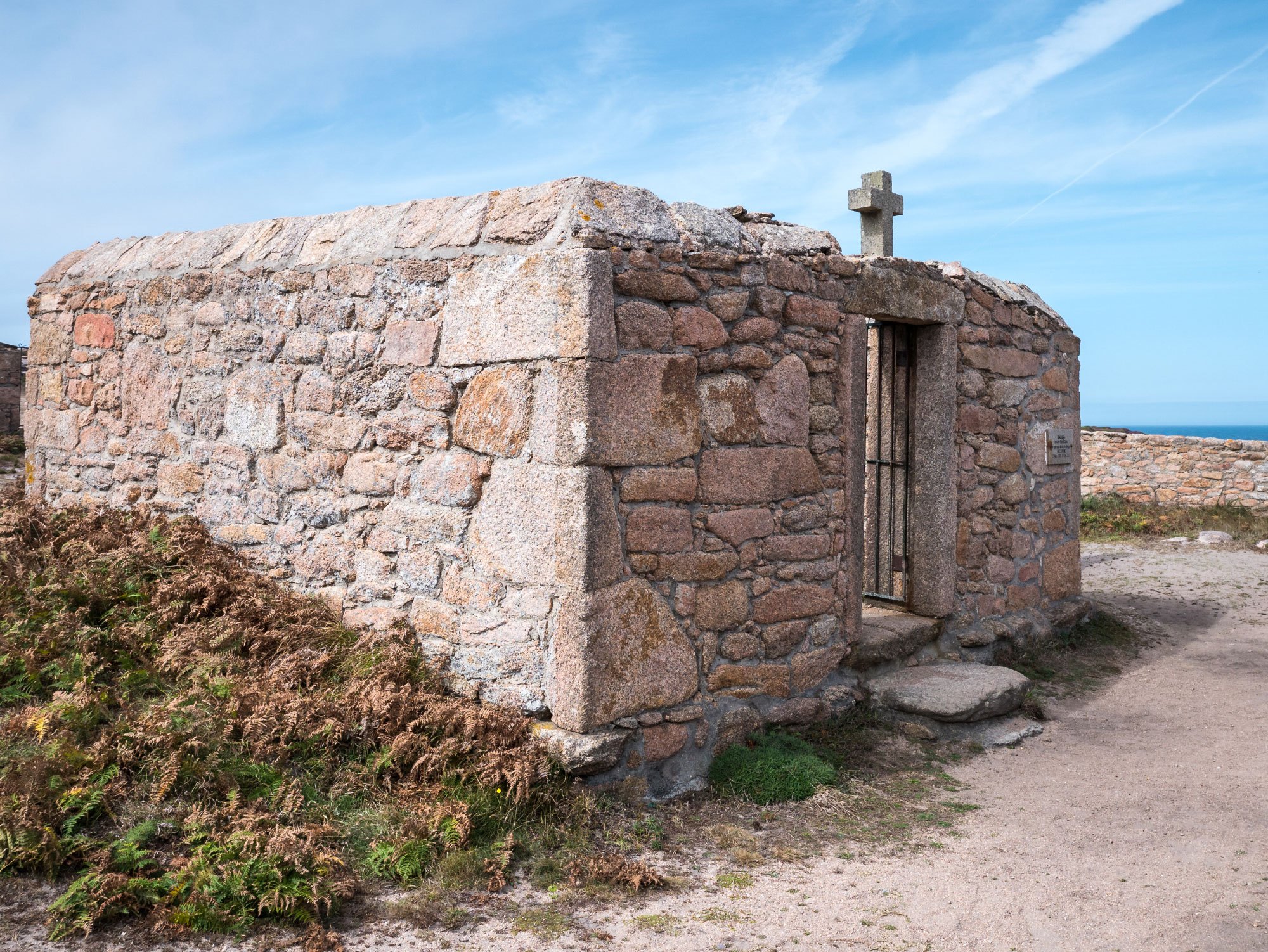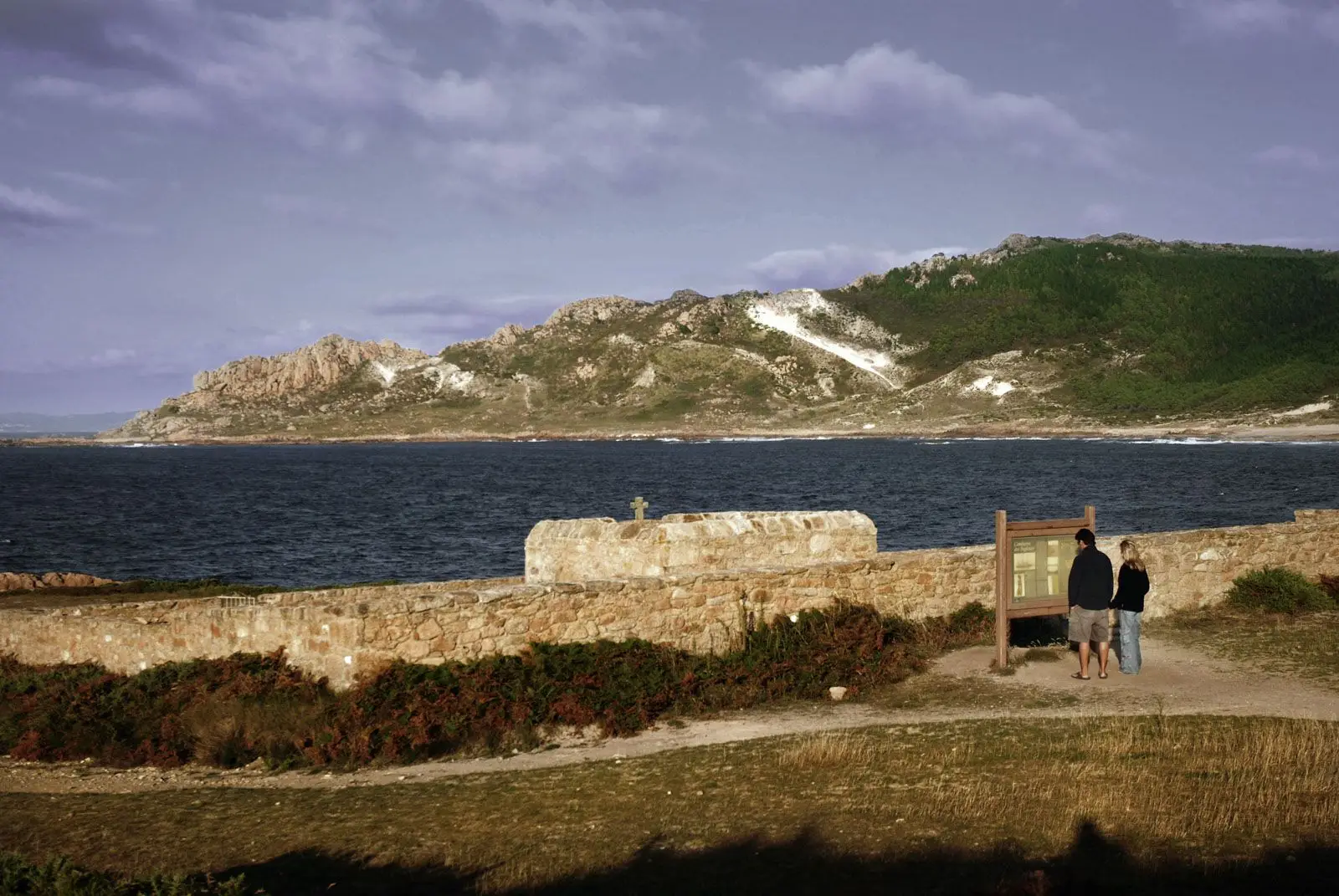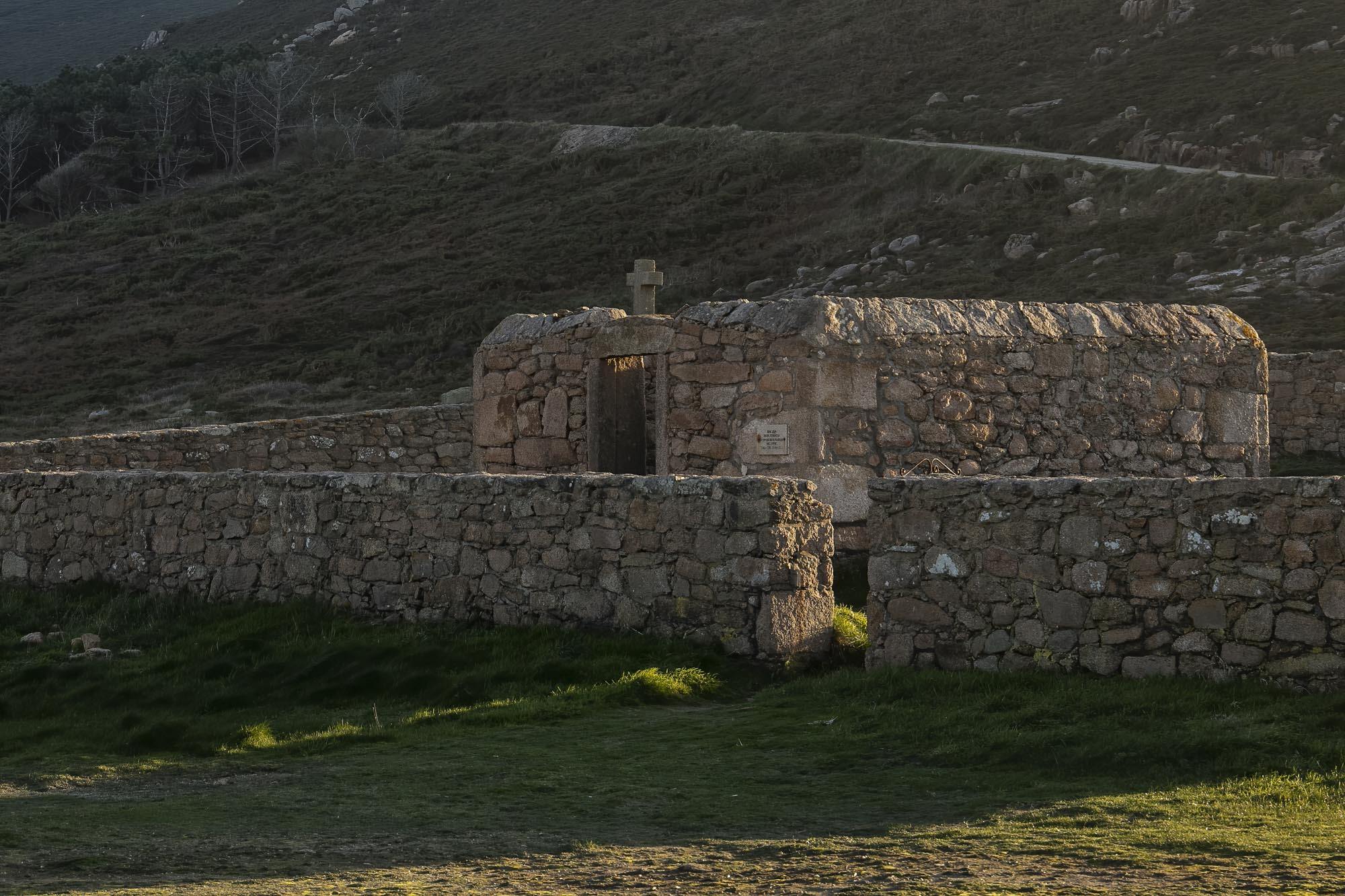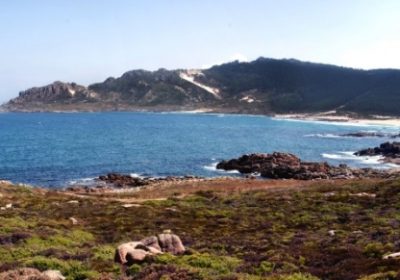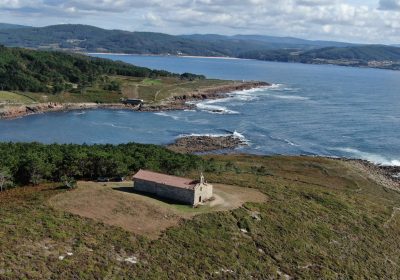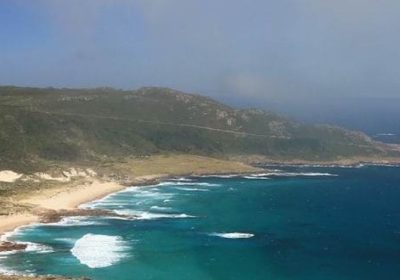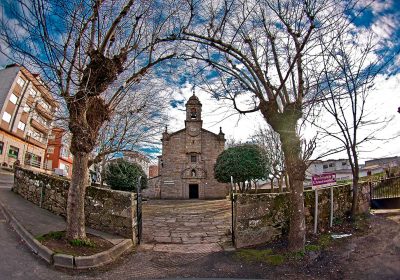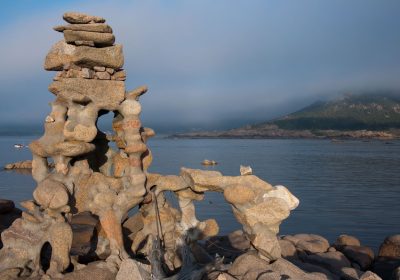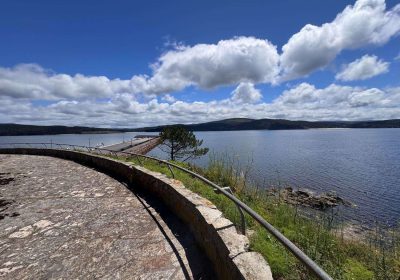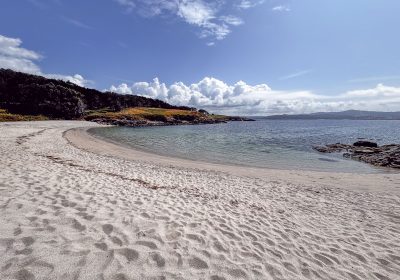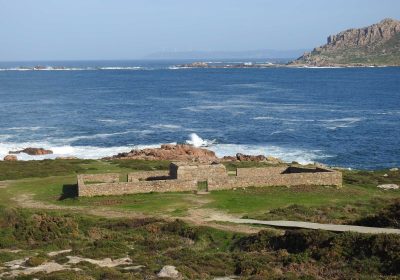


The English Cemetery is one of the most moving and symbolic places on the Costa da Morte. It stands in one of the most iconic settings along this coastline, in the striking landscape of Monte Branco and Trece beaches, in the municipality of Camariñas, a place whose wild beauty and powerful seascape help explain the scale of the tragedy. Its origin goes back to the wreck of the British training ship The Serpent in 1890, one of the greatest maritime disasters remembered on this coast and one of the events that helped this shoreline become known as the Costa da Morte, or Coast of Death.
Out of the 175 crew members aboard The Serpent, only three survived. They reached the hamlet of Pescaduira, in the parish of Xaviña, barefoot and injured in the middle of a stormy night, where they alerted the local residents living there. Those neighbours quickly informed the parish priest of Xaviña, who helped raise the alarm with the authorities. The following day, when local people and the Spanish authorities arrived at the wreck site, they found a devastating scene: bodies scattered along the coast and the remains of the ship shattered and twisted by the force of the sea.
The people of the Costa da Morte showed extraordinary humanity, recovering the sailors’ bodies and giving them a Christian burial in what is now known as the English Cemetery. In gratitude for the help given by the local community, the Lord Commissioner of the British Admiralty presented the priest of Xaviña with a shotgun, the mayor with a gold watch, and the village with a barometer. For many years, ships of the Royal Navy fired salutes when passing the site of the tragedy in memory of those who died. The disaster also played a decisive role in pushing forward the construction of a new lighthouse, which would later become the present-day Faro Vilán, now one of the great landmarks of Camariñas and the Costa da Morte.