THE VAKNER, THE ENIGMATIC BEAST ON THE WAY TO FISTERRA

Join Dumbría through “THE VAKNER, THE ENIGMATIC BEAST ON THE WAY TO FISTERRA”. More than a description: it’s a way to step into the place before you set foot there. Tip: look out for vákner.
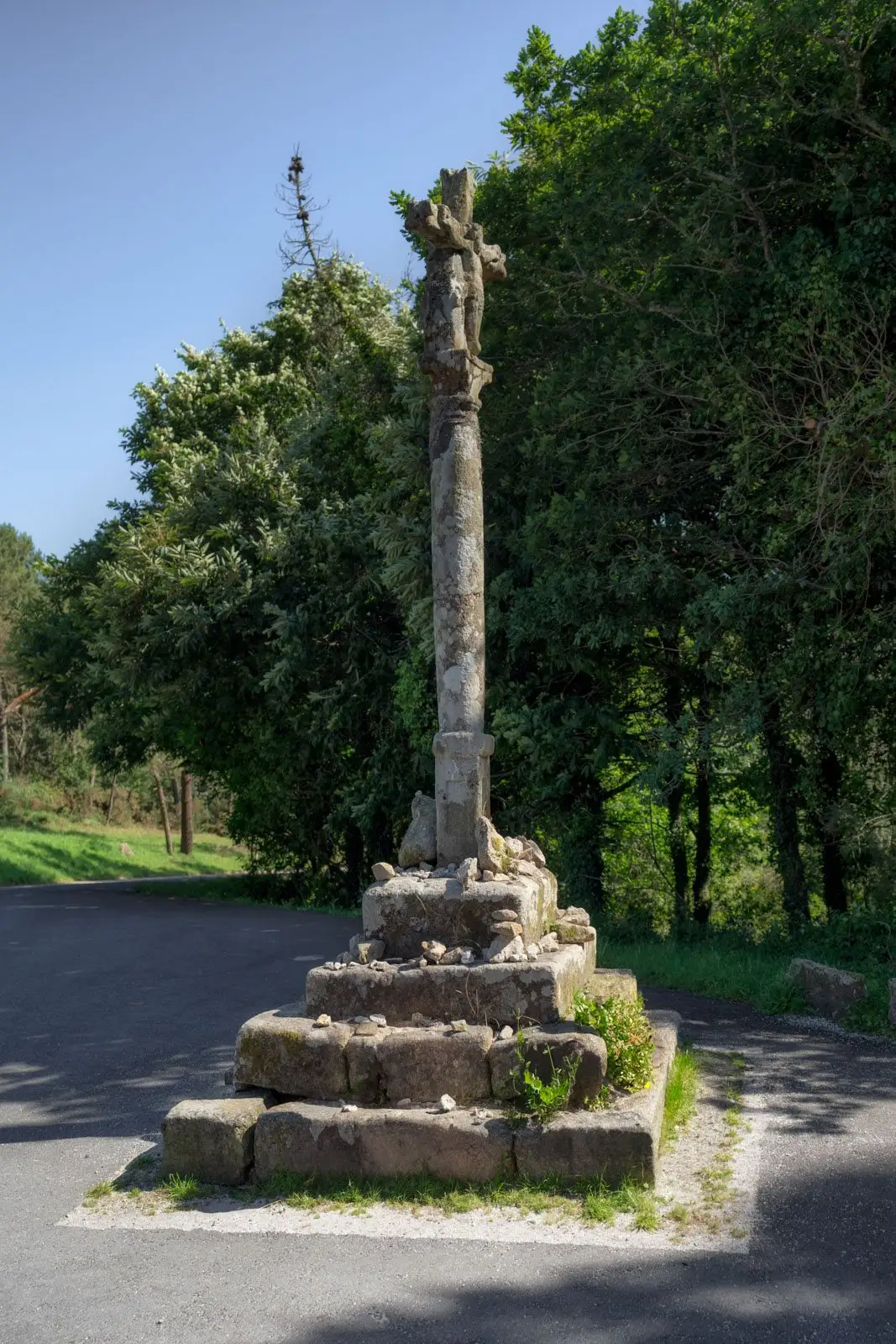
162. Cruceiro do Marco do Couto

Many pilgrims and travellers who have come to Galicia throughout history have left accounts of their journeys, which allow us to discover their impressions of the landscape, the people and the events that they experienced on the road. Aymeric Picaud, who is accredited with being the author of the book Liber Peregrinationis (1143), one of those in the Codex Calixtinus, said, in reference to the Galician people: “They are a people that, among the other uneducated people of Spain, are most similar to our Gallic people, even if they are hot-tempered and quarrelsome.”

Other travellers were surprised on the way by events that endangered their lives, like the British bible salesman George Borrow, who was arrested when he got to Fisterra and almost faced the firing squad after being mistaken for Carlos de Borbón, the brother of King Ferdinand VII. He was released thanks to the intervention of Antonio de Traba, nicknamed The Brave Man of Finisterre, who was from Finisterre and who testified that the stranger really was English. Or, as happened to the Armenian pilgrim Martir, bishop of Azerbaijan, who came upon a Vakner, a strange wild animal, when crossing a hilly area near Marco do Couto (Os Buxantes, Dumbría), on the way to Fisterra in 1492. The scant description that this pilgrim gives of the beast makes it difficult to identify it. “I suffered many travails and weariness on that trip, on which I came upon a large number of wild and very dangerous beasts. And I encountered the Vakner, a wild animal, large and very harmful.”

The text he left was first translated into French by Antoine Jean Saint Martin and then into Spanish by Emilia Gayangos. For the French translator, the wild animal to which Martir alludes seemed to be a bull or a bear, while Gayangos identified it as being an Iberian lynx. Scholars like José Luis Pensado, Aurora Lestón and Fernando Alonso Romero do not reject the possibility that it was an imaginary or mythical animal.

The biologist Martiño Nercellas claimed to offer a new version of this mysterious animal, based on interpretations provided by previous authors and taking into account zoological aspects of certain events occurring over several centuries all over Europe. According to him it could be a wolf infected by a virus that could alter its behaviour, which, at the worst stage of infection, would act with extreme violence.

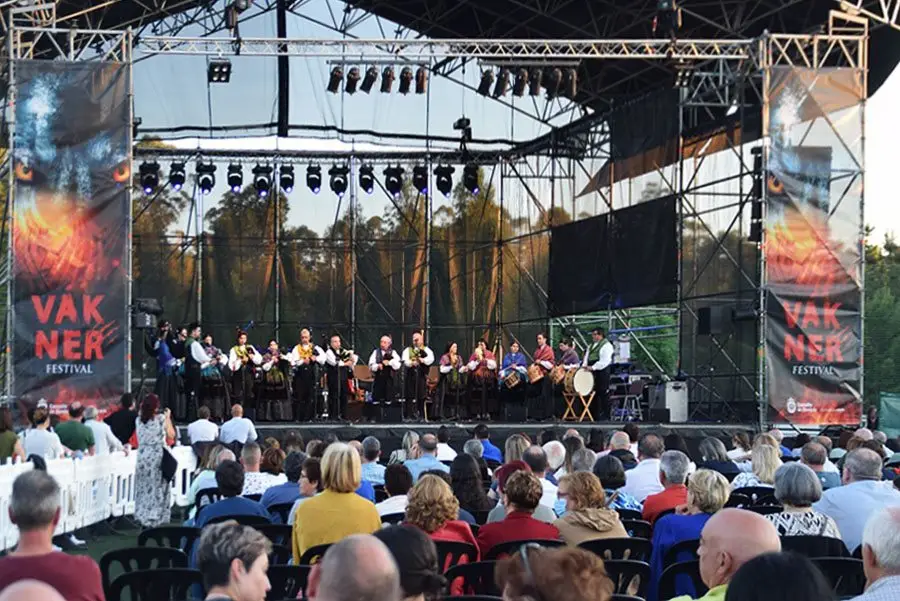
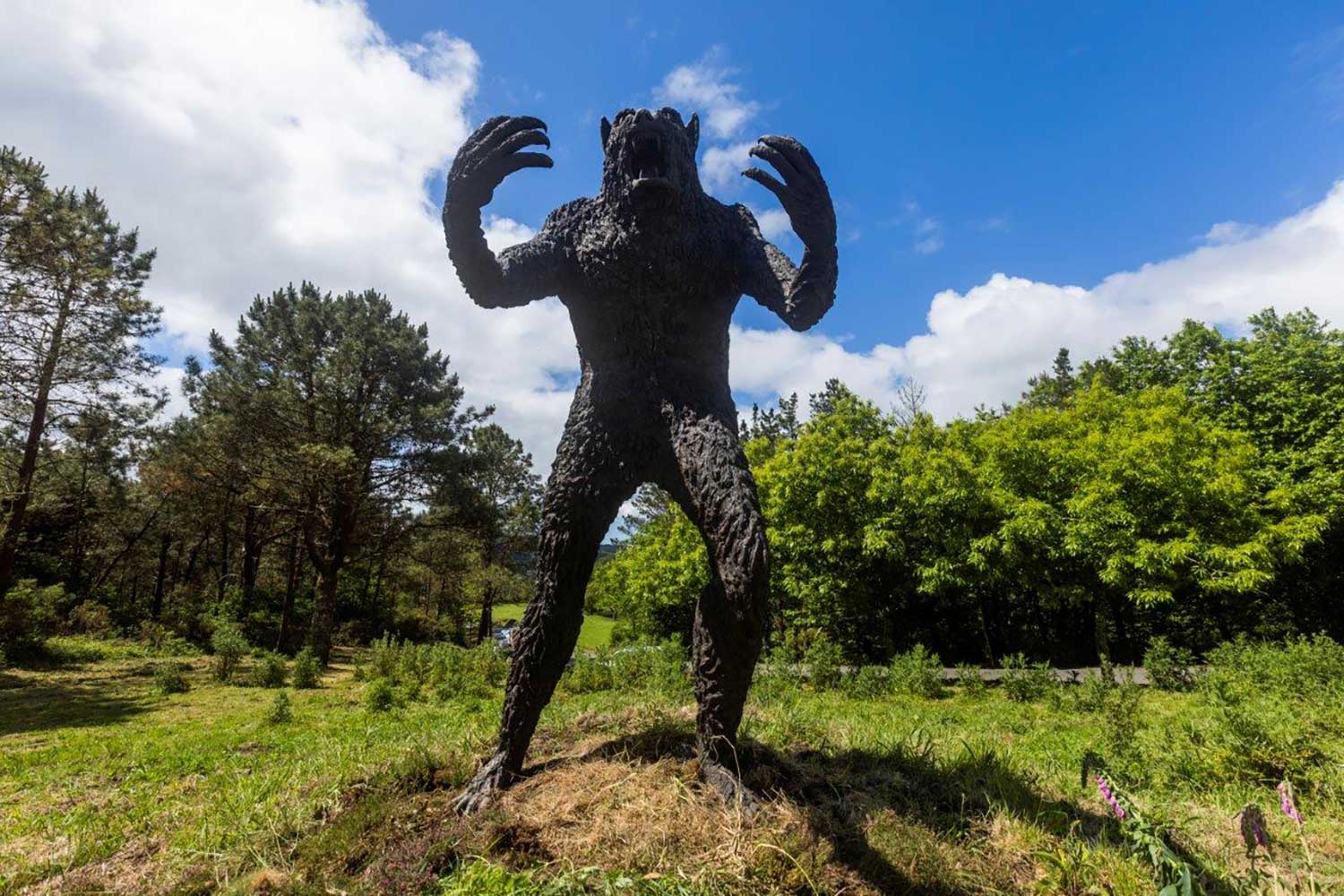
Over 500 years after this account, the Dumbria council proposed resuscitating the figure of this mysterious being to promote the Way of St. James from Fisterra to Muxía, and have a new symbol of identity and a tourist resource for the municipality. To reach these objectives, a series of events and activities was programmed in recent years, such as the organisation of an International Meeting on the Vakner Territory in October 2019, the installation of a bronze sculpture almost 5 m high of this mythical figure, the work of the artist Cándido Pazos, the holding of the Vakner Festival and the announcement of the Vakner Territory Literary Contest for schoolchildren and adults.
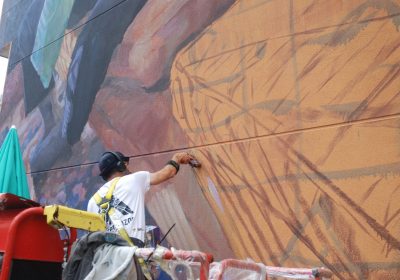
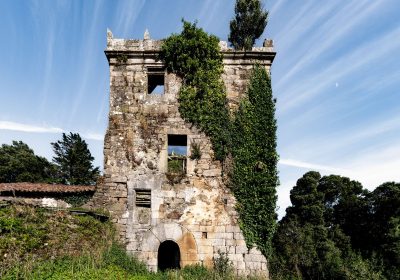
Galería de fotos de THE VAKNER, THE ENIGMATIC BEAST ON THE WAY TO FISTERRA

Discover the Costa da Morte on our blog

Blog Costa da Morte

THE VAKNER, THE ENIGMATIC BEAST ON THE WAY TO FISTERRA

Many pilgrims and travellers who have come to Galicia throughout history have left accounts of their journeys, which all...

Costa da Morte, Naturally Unique: Starting Today, a Cha...

There are places you can’t understand through a “top 10” list. Places that require time, context, and a careful gaze. Co...

Charming villages in Costa da Morte: routes through Cor...

If you’re looking for charming villages in Costa da Morte, you’ll find many. From Caión in the northernmost point to Car...

THE DOMBATE DOLMEN, THE CATHEDRAL OF MEGALITHIC GALICIA

The megalithic culture is one of the most important symbols of the identity of Costa da Morte. More than 600 sites have ...

Outdoor activities in Costa da Morte: surf, kayak and p...

Costa da Morte, as expected, is a land of outdoor activities. Especially aquatic. Although it is true that the emergence...

Birdwatching in Costa da Morte

Birdwatching is much more than a pastime; it is a powerful tool for connecting people with nature and promoting bird con...

Museums to Visit on the Costa da Morte: 11 Cultural Sto...

Talking about the Costa da Morte means thinking of lighthouses, wild beaches, cliffs, Atlantic gastronomy and villages w...

What gastronomic festivals are there in Costa da Morte?

Are you wondering what gastronomic festivals are held in Costa da Morte? Here’s the complete selection! Gastronomy is...

CAMARIÑAS, WHERE THE SEA BECOMES LACE

Camariñas is one of those towns with a very distinctive identity: simply saying its name immediately brings to mind the ...

Prehistoric monuments in Costa da Morte

Costa da Morte, located in the northwest of Galicia, is known for its natural beauty, but also for its rich historical a...

Upcoming events on the Costa da Morte

Find out instantly what activities await you on the Costa da Morte. Here you will find an up-to-date list of concerts, fairs, guided tours and shows that take place on the Costa da Morte. Don’t miss any event: experience the culture, sport and tradition of our region. And if you want to find out before anyone else, sign up for our newsletter and you will receive all the news in your email.

  • Thursday
    12
    March

    Talento Joven Job Fair...

    If you’re looking for your first job or want to take the next step, th...

  • Saturday
    14
    March

    Book Presentation of “...

    The book presentation of “Arsínoe, reina de Alejandría” in Cee is a gr...

  • Saturday
    14
    March

    3rd Lunch by the Monte...

    The 3rd Lunch by the Monte Torán Festival Committee in Ceán is a class...

Logo Cmat Color Fondo Transparente
Privacy Overview

This website uses cookies so that we can provide you with the best user experience possible. Cookie information is stored in your browser and performs functions such as recognising you when you return to our website and helping our team to understand which sections of the website you find most interesting and useful.