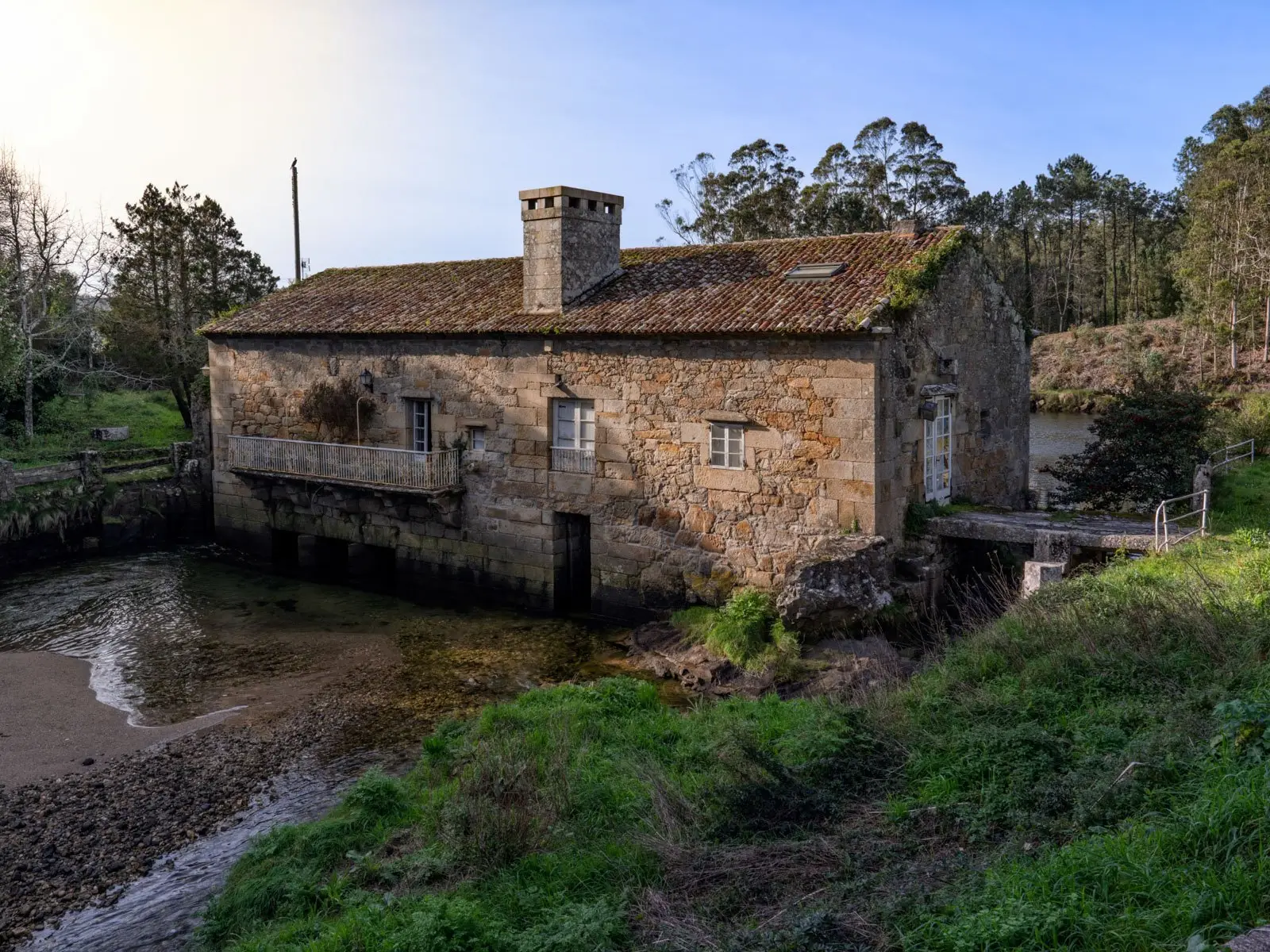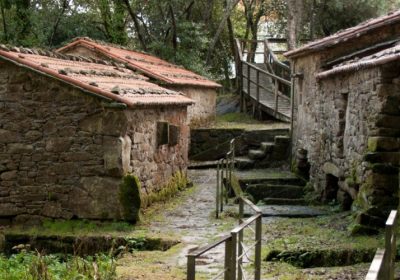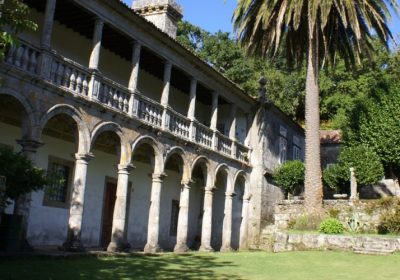


The Cereixo Tide Mill, also known as Muíño das Torres, is one of the most remarkable heritage sites on the Costa da Morte. Located where the Carnés River, or Cereixo River, meets the Grande River, this unique mill preserves the memory of a way of life shaped by water, tides and a deep understanding of the surrounding landscape.
Its origins date back to 1674, as recorded in a lease document granted by Juan Taboada Ribadeneira, Count of Taboada and lord of Puebla de Cereixo, to the brothers Andrés and Pedro de Espasantes. The agreement allowed them to build one or two mills in the area known as Pozo de Ranas, in exchange for an annual rent of six ferrados of wheat and two hens.
Muíño das Torres is considered the third oldest surviving tide mill in Galicia, after the Neda mill, dating from 1609, and Muíño da Seca in Cambados, from 1622. Its mechanism made use of both river water and the rising tide, which powered three millstones: one used to grind wheat and two others used for maize.
A visit to the Cereixo Tide Mill is a journey into an essential part of Galicia’s maritime and rural history. Surrounded by rivers, traditional architecture and coastal scenery, this site invites visitors to discover, at a gentle pace, a place that reflects the deep connection between the Costa da Morte, its waters and its people.