

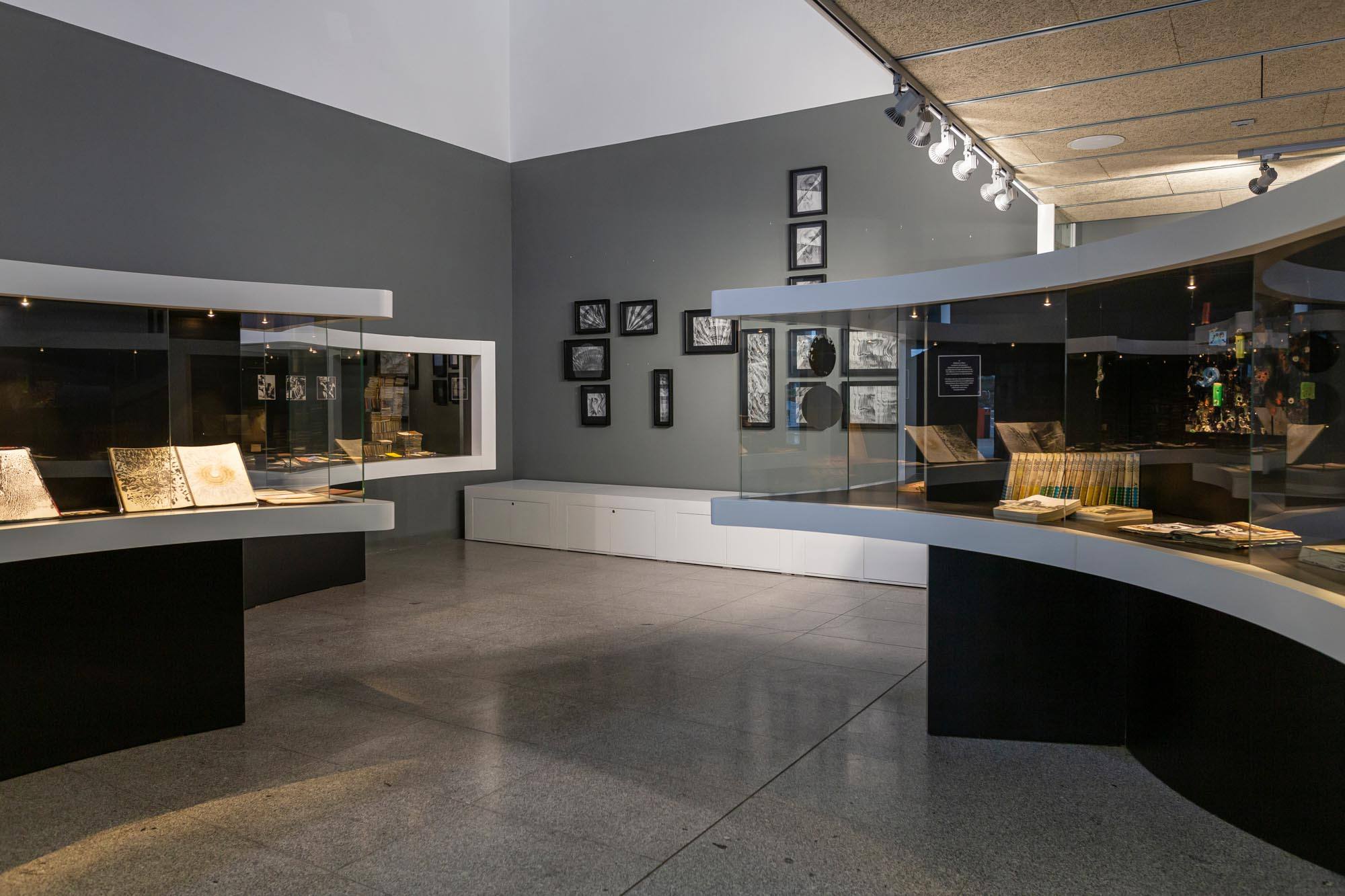
Talking about the Costa da Morte means thinking of lighthouses, wild beaches, cliffs, Atlantic gastronomy and villages with a unique personality. But this territory also holds an enormous cultural value that often surprises those who visit it for the first time. Beyond its landscapes, exploring its museums and cultural spaces is a wonderful way to understand the history, traditions, art and way of life of this singular Galician region.
If you are looking for museums to visit on the Costa da Morte, here you will find a very complete selection with ideas for all tastes: from centres linked to traditional pottery or the lace of Camariñas to ethnographic museums, exhibition spaces, interpretation centres and places with a deep human and heritage value. These visits are perfect for complementing a getaway, planning a cultural route or discovering another side of the destination at any time of year.
In this article, we suggest a journey through 11 museums and cultural spaces on the Costa da Morte that are truly worth visiting. Each one brings something different and helps explain why this land is not only admired, but also interpreted, listened to and felt.
11 museums and cultural spaces you should not miss
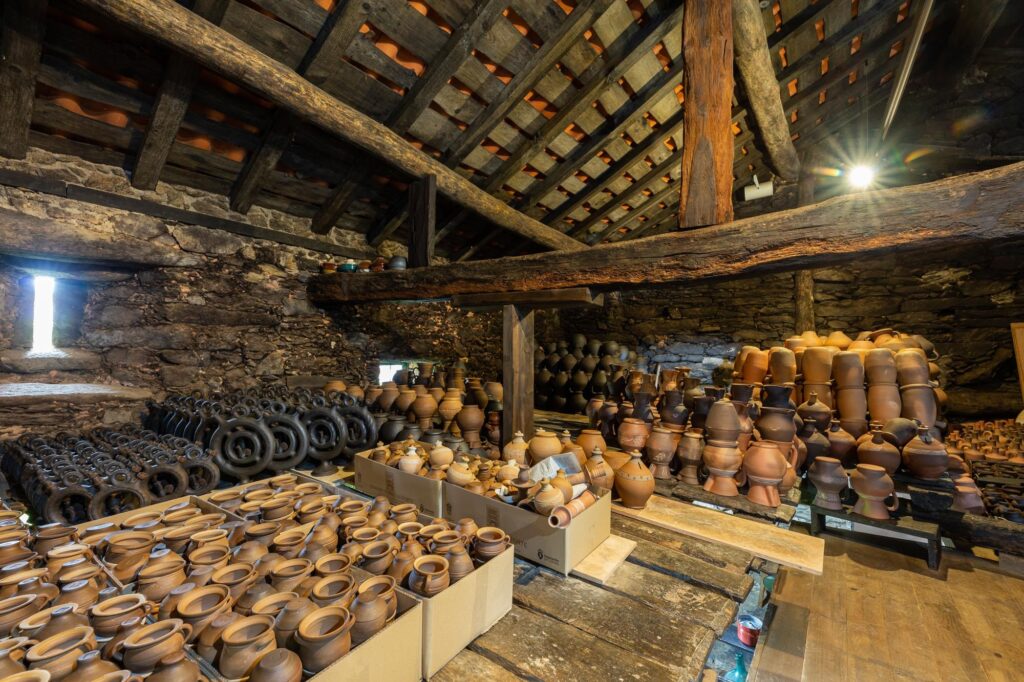
Ecomuseum of O Forno do Forte and Vila Oleira de Buño
Buño is one of those places where tradition is still genuinely alive, and this ecomuseum is a must-stop to understand the importance of pottery on the Costa da Morte. The visit allows you to discover up close how the oleiros worked, what tools they used, how the kilns functioned and how this craft helped shape the identity of an entire village.
Beyond the museum itself, the real value of this proposal lies in its connection with the Vila Oleira de Buño, where the Pottery Fair is held and ceramics continue to be a local hallmark. It is an especially recommended visit for those seeking authentic experiences, ethnographic heritage and a real immersion into one of Galicia’s most representative crafts.
Exhibition Hall of the House of Culture of Cee
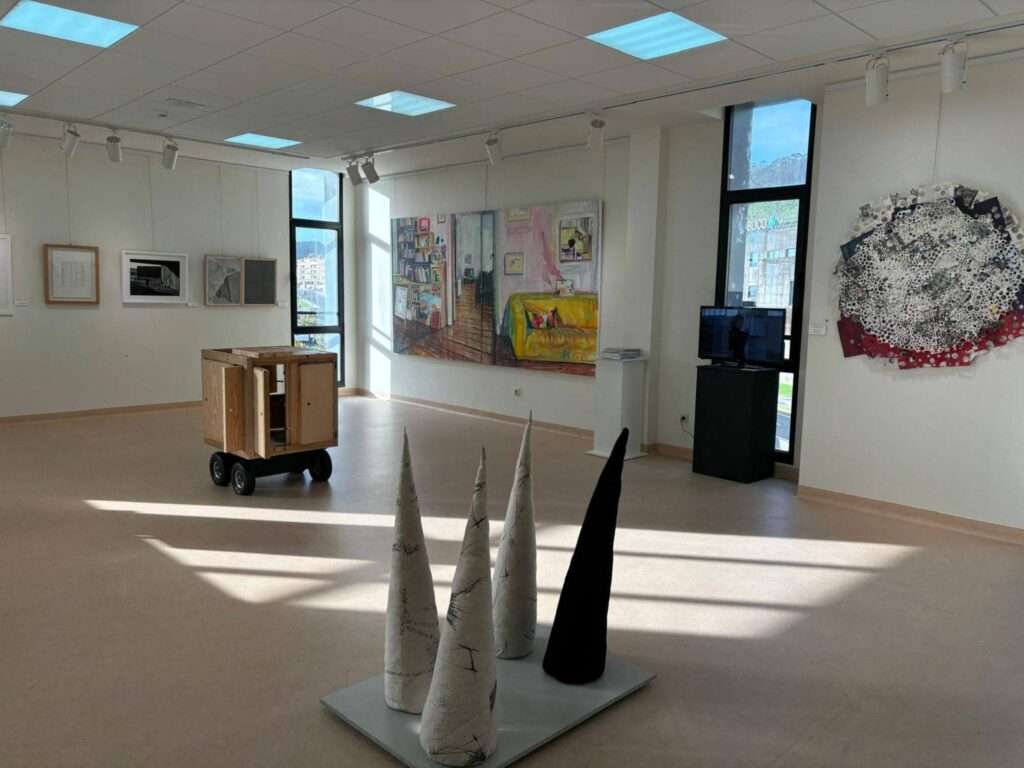
The Exhibition Hall of the House of Culture of Cee is one of the most dynamic cultural spaces in the area. It is not just a place to see works of art, but also a meeting point between contemporary creation, local cultural activity and the interest of visitors who want to discover different proposals in the heart of the Costa da Morte.
Its programme makes this space a very appealing visit for those who enjoy art, photography, painting or temporary exhibitions. It is one of those stops that enrich any cultural route through the region and proves that the Costa da Morte also has a strong and vibrant exhibition scene.
MACCMO: Costa da Morte Museum of Contemporary Art
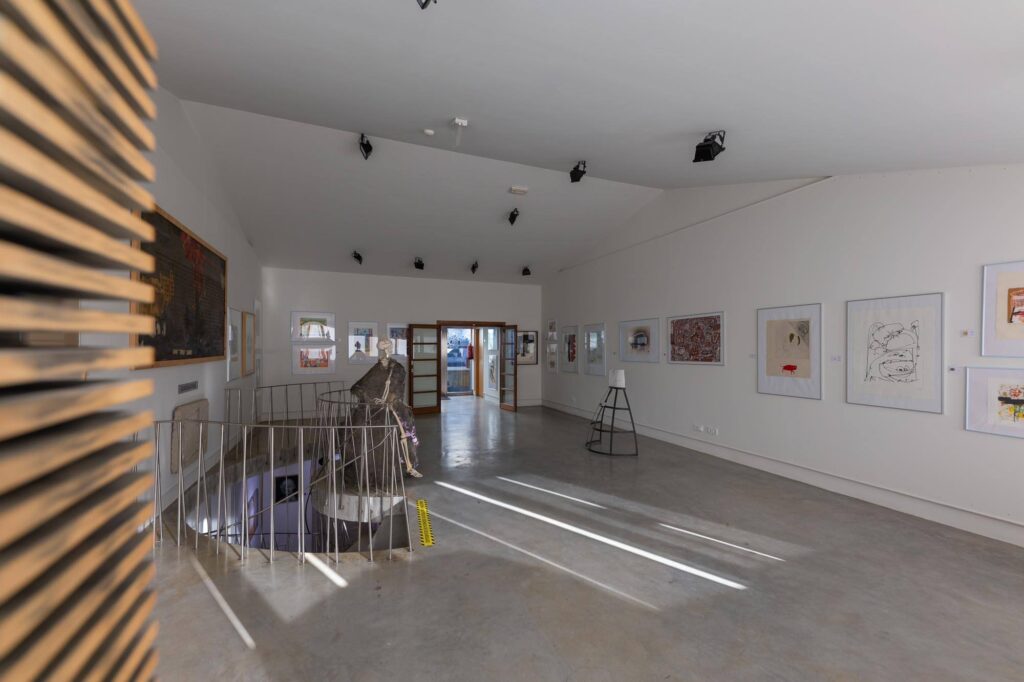
The Costa da Morte Museum of Contemporary Art, known as MACCMO, offers a different perspective within the region’s cultural scene. It is a place where contemporary art finds its space in a territory with a strong landscape and human identity, creating a very attractive contrast for visitors.
Its collection and overall concept make it an ideal museum for those who want to go beyond traditional historical heritage and step into a contemporary artistic proposal. If you are looking for different museums on the Costa da Morte, this is one of the names that should definitely be on your route.
Fernando Blanco Museum. Escola das Nenas
This museum offers an insight into a key figure in the cultural and educational history of Cee: Fernando Blanco de Lema. The building itself, known as the Escola das Nenas, already holds enormous heritage and symbolic value, and the visit helps to better understand the educational and social impulse that his legacy left in the town.
It is a very interesting proposal for those who enjoy historical heritage linked to education, local memory and the great figures who helped transform Galicia. Its atmosphere and content make it one of those visits best enjoyed slowly, taking the time to observe every object in its context.
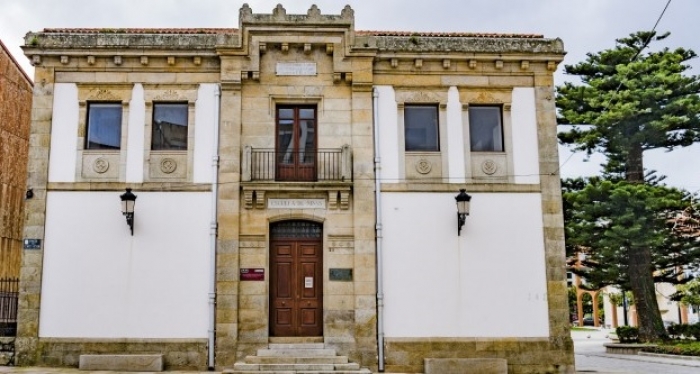
German Museum
Talking about the German Museum in Camelle means talking about one of the most singular and emotional places on the Costa da Morte. The figure of Manfred Gnädinger, Man, continues to fascinate all those who come here to discover his story, his work and his intimate relationship with the sea and the surroundings of Camelle.
The visit allows a deeper understanding of the artistic and human dimension of this unique character, who has become a true symbol of the place. It is one of those museums that leaves a lasting impression because it does not simply tell a story: it conveys a very special sensitivity, deeply linked to the landscape and to a different way of understanding life.
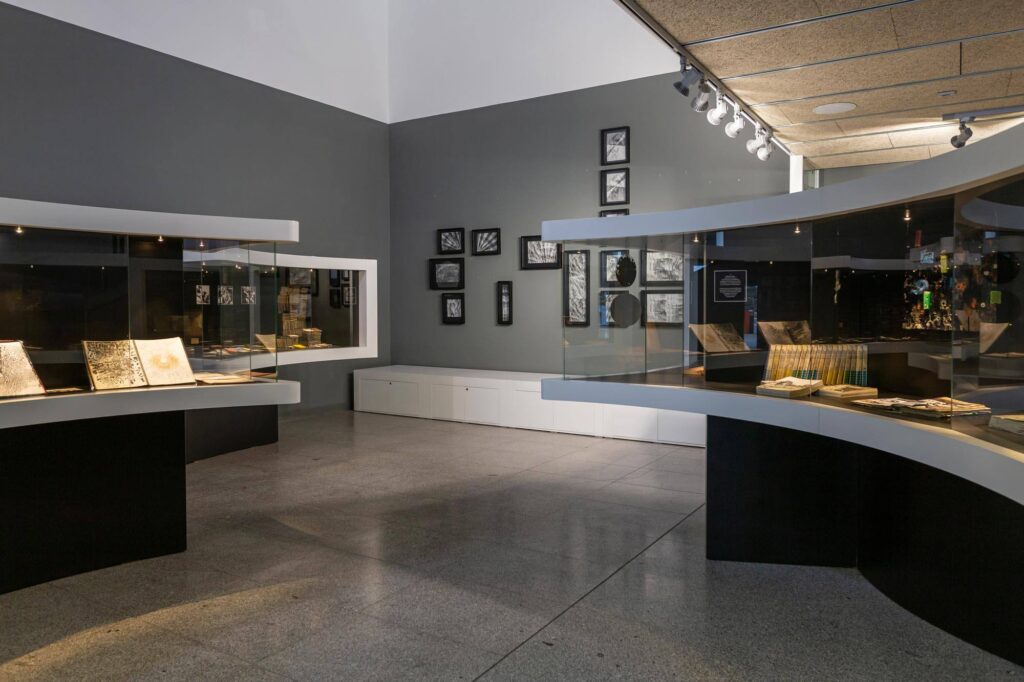
Golmar Museum – Muiños da Auga
The Golmar Museum offers a very interesting approach to one of the most characteristic features of the traditional Galician landscape: watermills. Located in the Rectory House of Golmar, this interpretation centre allows visitors to discover how these ingenious structures worked, what role they played in the rural economy and why they are an essential part of the territory’s memory.
It is a highly recommended visit for those interested in popular architecture, rural life and the traditional use of natural resources. In a destination such as the Costa da Morte, where water is so present, this museum helps you read the landscape with different eyes.
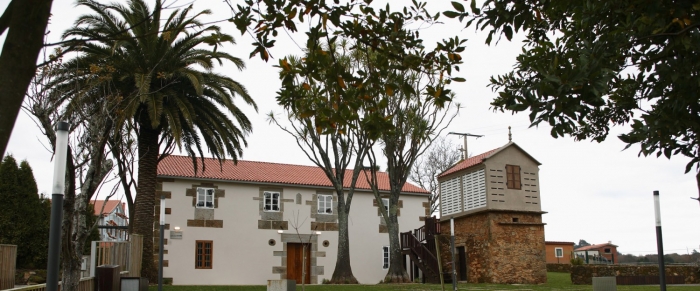
MELGA Ponteceso
The Ethnoludic Museum of Galicia, better known as MELGA, is a very special proposal among the museums to visit on the Costa da Morte. Its focus on traditional games and sports makes it a different kind of space, very attractive both for adults and for families who want to discover another side of Galician cultural heritage.
Here visitors can reconnect with the memory of popular leisure, with objects that were part of the childhood of many generations and with a way of understanding culture through participation and identity. It is a lively, original museum and perfect for adding variety to any cultural route through the region.
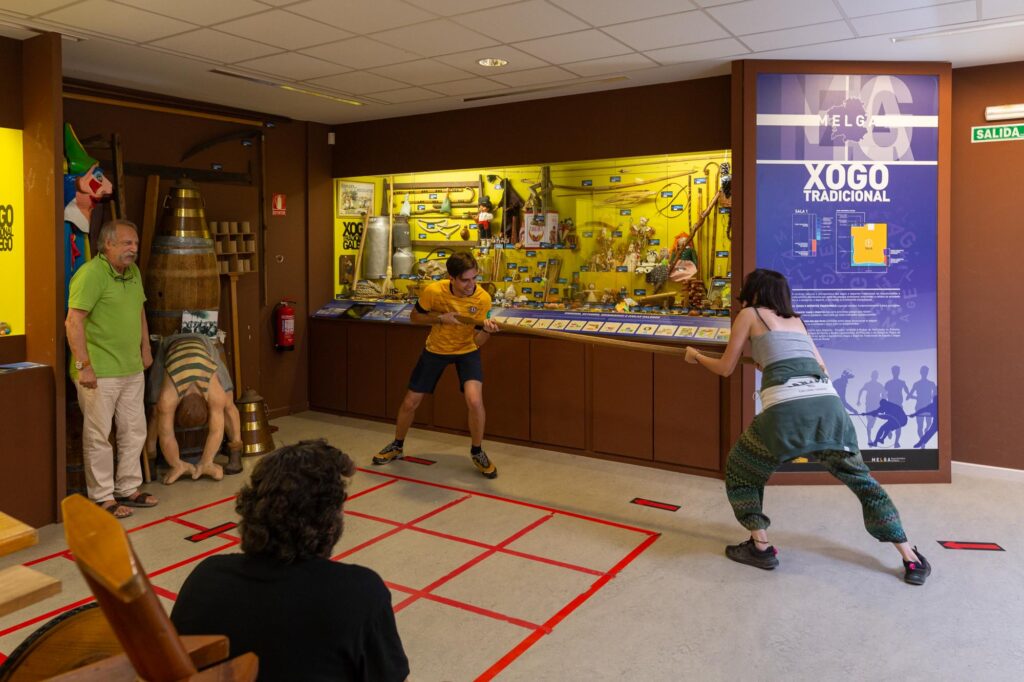
Museum of the Sea of Laxe
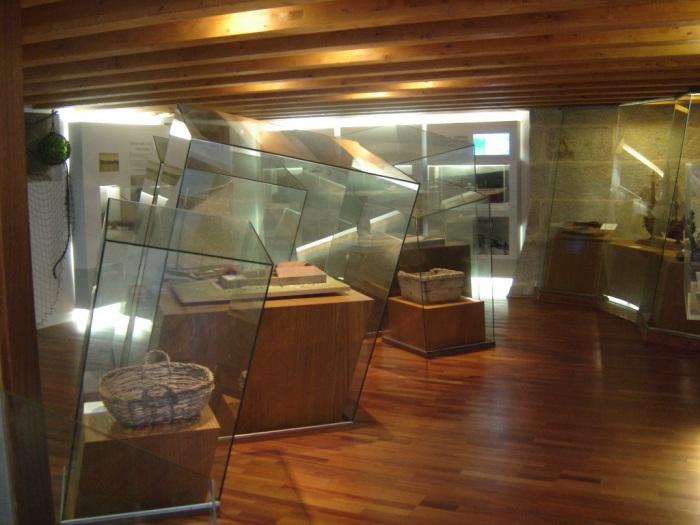
The relationship between the Costa da Morte and the sea is absolute, and the Museum of the Sea of Laxe is one of the best places to explore it in depth. This space helps interpret seafaring life, fishing traditions and the historic bond between local people and the Atlantic Ocean, always present in the identity of the region.
The visit is especially interesting for those who want to better understand the human dimension of the coastline beyond its scenic beauty. In short, it is one of those museums that fits perfectly into any journey across the Costa da Morte because it connects directly with the essence of the territory.
Camariñas Lace Museum
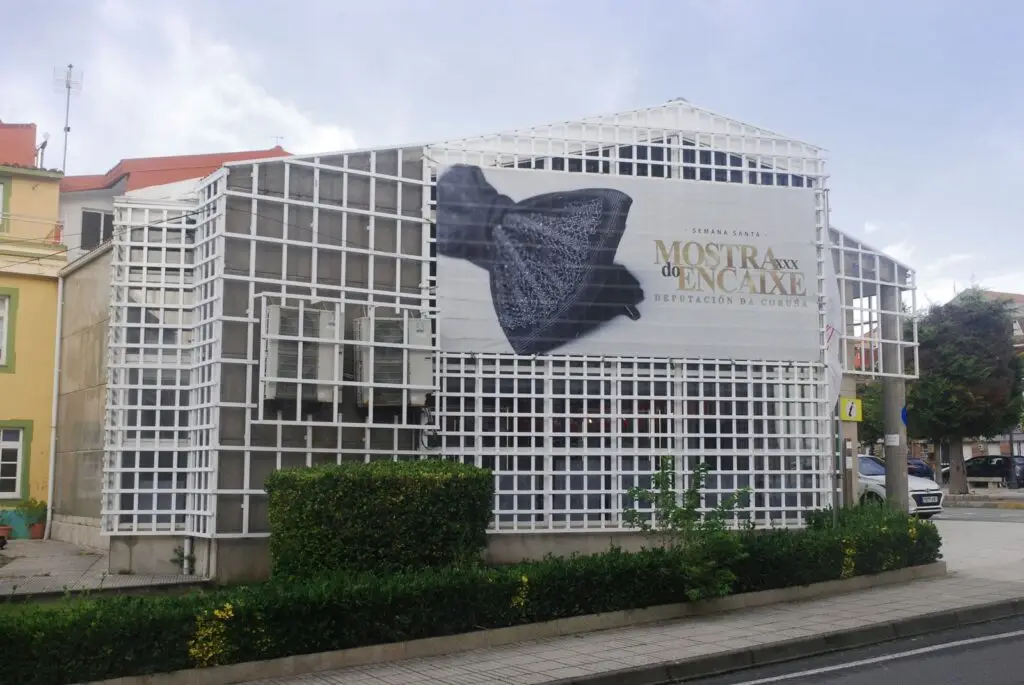
If there is one instantly recognisable craft tradition on the Costa da Morte, it is undoubtedly the lace of Camariñas. This museum is the ideal place to discover the history, evolution and enormous cultural value of a craft that has given the town international fame and remains one of its greatest hallmarks.
The visit allows you to admire pieces, learn about techniques and get closer to the meticulous work of the palilleiras, true guardians of a knowledge passed down from generation to generation. For anyone wanting to understand the cultural identity of Camariñas and its connection to lace, this is an essential stop.
Vilafernández Nature Classroom
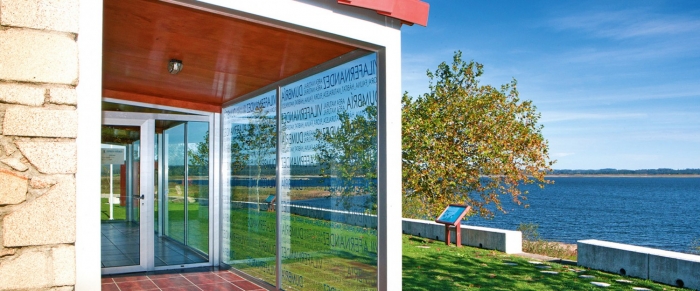
Although its focus is closely linked to the interpretation of the natural environment, the Vilafernández Nature Classroom also deserves a place in this selection because of its educational and informative value. It is a space that invites visitors to better understand the local natural environment and the relationship between landscape, biodiversity and local life.
It is an ideal proposal for those looking for a quiet, educational plan connected with the territory. It also fits perfectly into a route that combines culture, nature and sustainable tourism, one of the key ways to enjoy the Costa da Morte more deeply.
Pepe do Cuco’s Shelter in Carnota
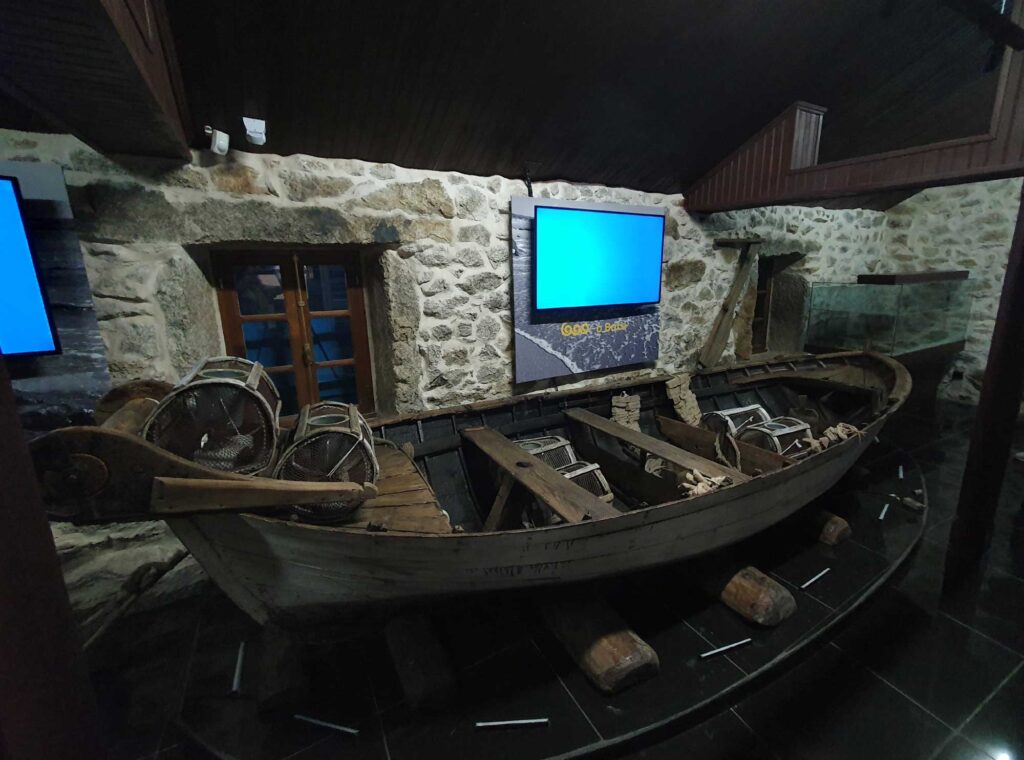
Pepe do Cuco’s Shelter, in Carnota, is one of those places that surprises visitors with its authenticity and the story it preserves. This former fishermen’s shelter, restored as an exhibition space, offers a close look at the world of the sea and the memory of the coast on a deeply human scale.
Its charm lies precisely in that: it is not a conventional museum, but a place with soul, linked to work, daily life and the maritime identity of the Carnota coastline. For those looking for cultural places with character on the Costa da Morte, this visit has a very special value.
Why it is worth taking a museum route on the Costa da Morte
Visiting these spaces allows you to discover a different Costa da Morte, one that is more intimate and more profound. Here you do not only observe objects, artworks or documents: you gain access to life stories, traditional crafts, maritime memory, contemporary creativity and ways of understanding the territory that are still very much present in local identity.
In addition, a route of museums to visit on the Costa da Morte is a perfect plan at any time of year. It can complement a day of beaches and viewpoints, become the ideal alternative for a cloudy day or form part of a charming cultural getaway. The best thing is that each museum offers a different perspective and, together, they build a much more complete portrait of this Atlantic region.
If you are planning your trip, take note of these eleven names and save a place for them in your itinerary. Because the Costa da Morte is explored with the eyes, yes, but it is also understood through its museums, its cultural spaces and all those stories waiting for visitors behind every door.