


Vimianzo has an important historical heritage made up of numerous churches, buildings and other elements that reflect different architectural styles. It also preserves a remarkable historical legacy; it is a municipality where the evolution of human civilisation can be appreciated from the Castro period to the present day: dolmens, burial mounds, petroglyphs, hillforts, examples of Romanesque and Renaissance art, civil and religious architecture all come together in the diversity of the lands of Soneira.
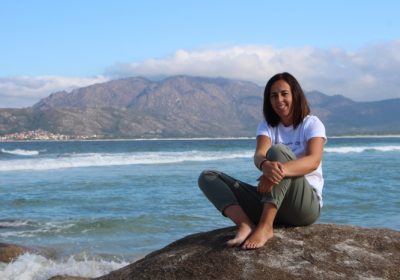
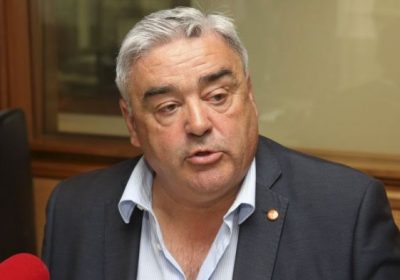
Today we show you the municipality from the point of view of Mónica Rodríguez Ordóñez, Mayor of Vimianzo. Here are her best answers:
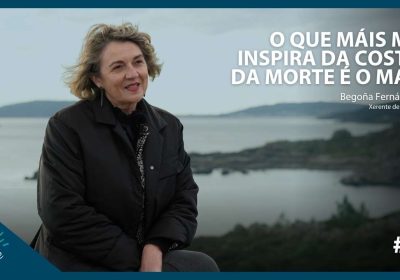
What feelings does the Costa da Morte awaken in you? What does it mean to you?
It inspires in me nature and culture beside the wild Atlantic, a connection with the entire western coastline of Europe. It is the land of sunsets, with its wild and mysterious side.
Three reasons to discover it
- Its Atlantic landscape, with cliffs, open-sea beaches, estuaries, trails and countless balconies from which to watch the sunset. The extension of the Camino to Fisterra and Muxía reaches this point, and surely has its origin in the desire to see that end of the world. Its cultural heritage allows visitors to travel through the history of Galician humanity, from the age of the dolmens to the present day, passing through hillforts and castles. Several museums and centres spread across the seventeen municipalities of the geodestination open their doors to help interpret it: the Dolmen of Dombate, Torres do Allo, Batáns do Mosquetín, Castelo de Vimianzo, Casa do Oleiro in Buño, the Museum of Carballo, the Sea Museum of Fisterra…
- Its people, hospitable and bearers of knowledge such as the crafts that can be seen in the Castelo de Vimianzo.
At what time of year do you like the Costa da Morte the most, and why?
Spring and, above all, summer have their own appeal because of the many celebrations, the hours of daylight and the temperature, which allow us to enjoy this land. We are lucky that it is still not overcrowded. During these seasons there are many sporting, cultural and gastronomic activities.
Then come autumn and winter, with the falling leaves, their colours and their fruits. It is a good time for hiking, gathering chestnuts, picking mushrooms, walking near the sea or sharing a good meal. Even when there are strong storms, watching the rough sea from a safe place is a real spectacle.
For tourists who choose to visit outside the summer season, what experiences should they not miss?
- A walk along one of our beaches
- A sunset
- A trail
- A visit to a museum or interpretation centre
- A good meal with products from the sea and the land
Besides the Castelo de Vimianzo, what other places or experiences should visitors not miss?
- Batáns do Mosquetín
- The Cereixo interpretive trail
- The Penedos de Pasarela e Traba route
- The Dolmens route
- The Val de Vimianzo route
- Roteiro Fidalgo
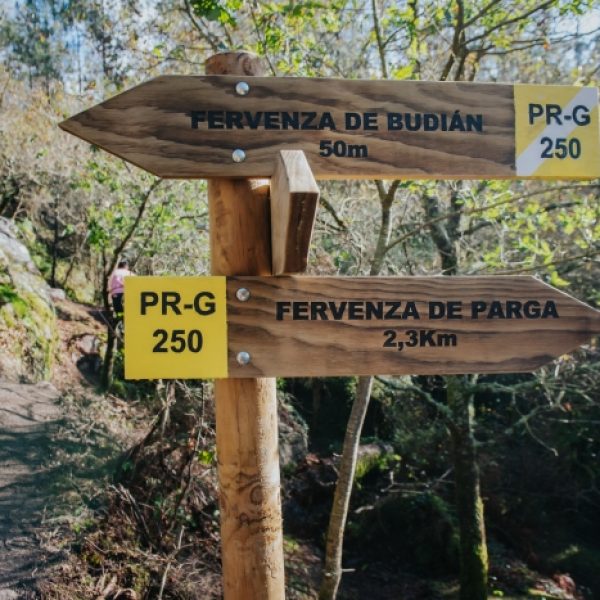
- The Vía Mariana and a visit to Orbellido, near the Fervenza reservoir
- Chocolate with churros on market day, every Thursday in Vimianzo
- The municipality’s cultural and sports programme, and activities organised by different local groups
Galicia in general, and the Costa da Morte in particular, are synonymous with good food. Any recommendations for typical dishes to discover Vimianzo through the palate?
Vimianzo is a reference point on the gastronomic map of the Costa da Morte thanks to the abundance of establishments, their good work and the variety that can be found on their menus, ranging from vegetables to meats, as well as fish and seafood, products prepared with traditional recipes or incorporating the latest culinary trends.
Grilled meats occupy a prominent place in the local offer, and the daily menu has not been forgotten by our restaurateurs. Workers in the area know that they have a wide range of dishes available at a modest price.
Cod empanadas, fish caldeiradas, stews, casseroles, caldo, bolos do chichón and callos complete this offer, which also extends to the tapas served in bars.
It is also worth highlighting the alliance between the food industry and this gastronomic offer, coming from bakeries and meat companies.
Another aspect related to good eating is the festive side and, in recent years, the Pinchos Irmandiños, which precede the Festa do Asalto, have achieved great success. The Faguía de Carnés, declared a Festival of Tourist Interest in Galicia, is characterised by the tasting of callos prepared by local residents.
What do visitors tell you? What do they enjoy most about their stay in Vimianzo? And about the Costa da Morte?
They value very positively the interpretive spaces of the Castelo and the Batáns, as well as the guided and dramatised visits that are organised.
Your three favourite beaches on the Costa da Morte? Why those? And for lovers of surfing and other nautical-sports activities?
- Traba beach, for its wild character and for being part of the Camiño dos Faros route, which connects with Camelle along a beautiful stretch of rocks and cliffs.
- Ariño beach, because it is an estuary beach and a place with trees and a picnic area, very comfortable for spending a day with the family.
- Rostro beach, a sandy beach that connects us with the Atlantic and with a sunset that has a very special sound.
For hiking lovers… Which route would you recommend in your municipality? And which is your favourite on the Costa da Morte?
The Penedos de Traba e Pasarela route is a magnificent option.
The local council organises several guided routes throughout the year, which are very successful. There are also other possibilities:
- The Camiño dos Faros, which runs along the coast and passes through Vimianzo between Traba and Camelle, and also through Cereixo.
- The Vía Mariana, which links Braga with Muxía and crosses the parishes of Baíñas and Berdoias, complemented by the route beside the reservoir and the Vieiro Fidalgo.
Which place do you think is the great unknown of the Costa da Morte, but has great interest or potential?
The sea sparkle, stargazing and sunsets.
Where can we find the best sunset?
In Vimianzo there are several places; one of them is Alto de San Bartolo, very close to the municipal capital.