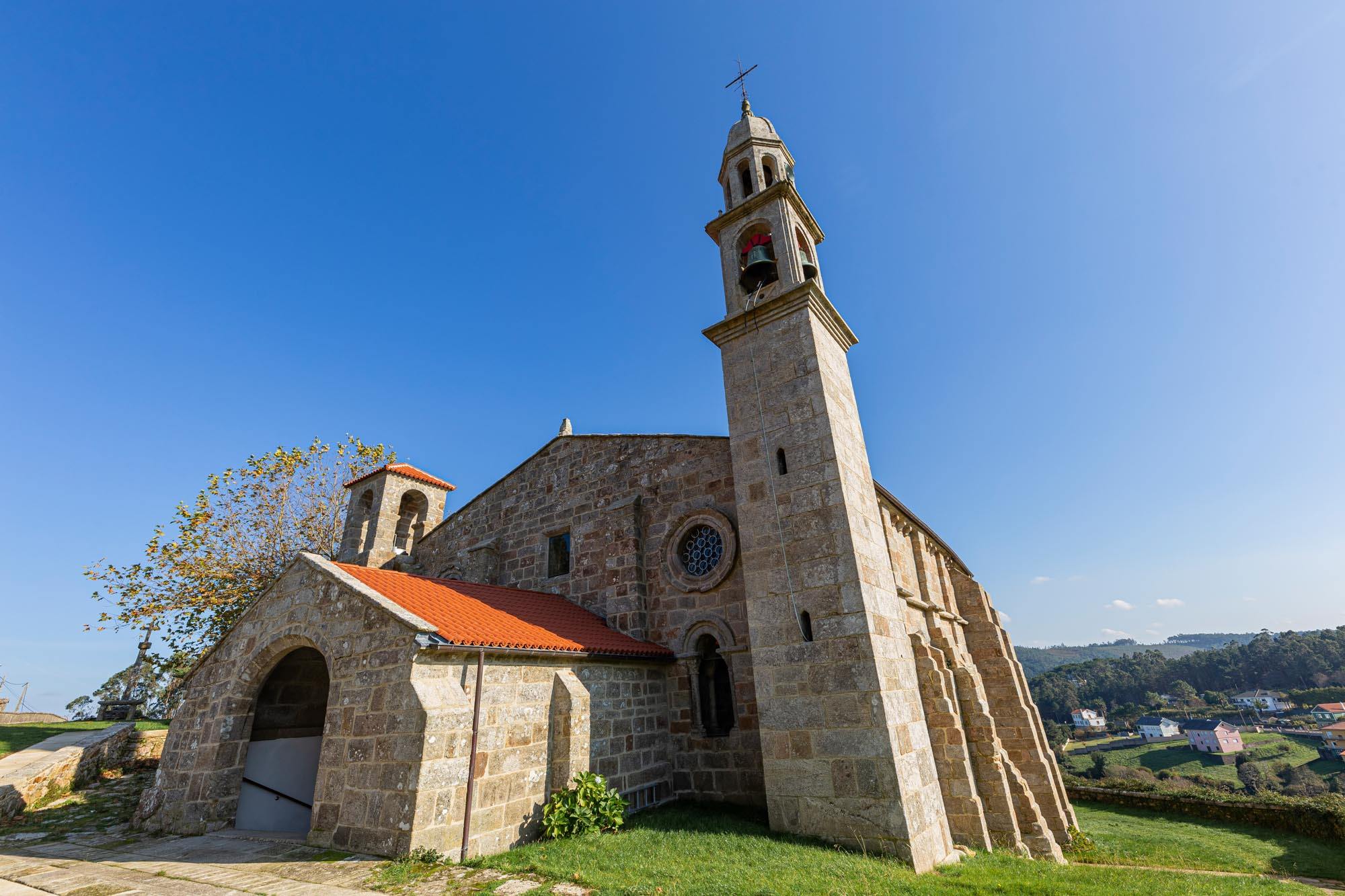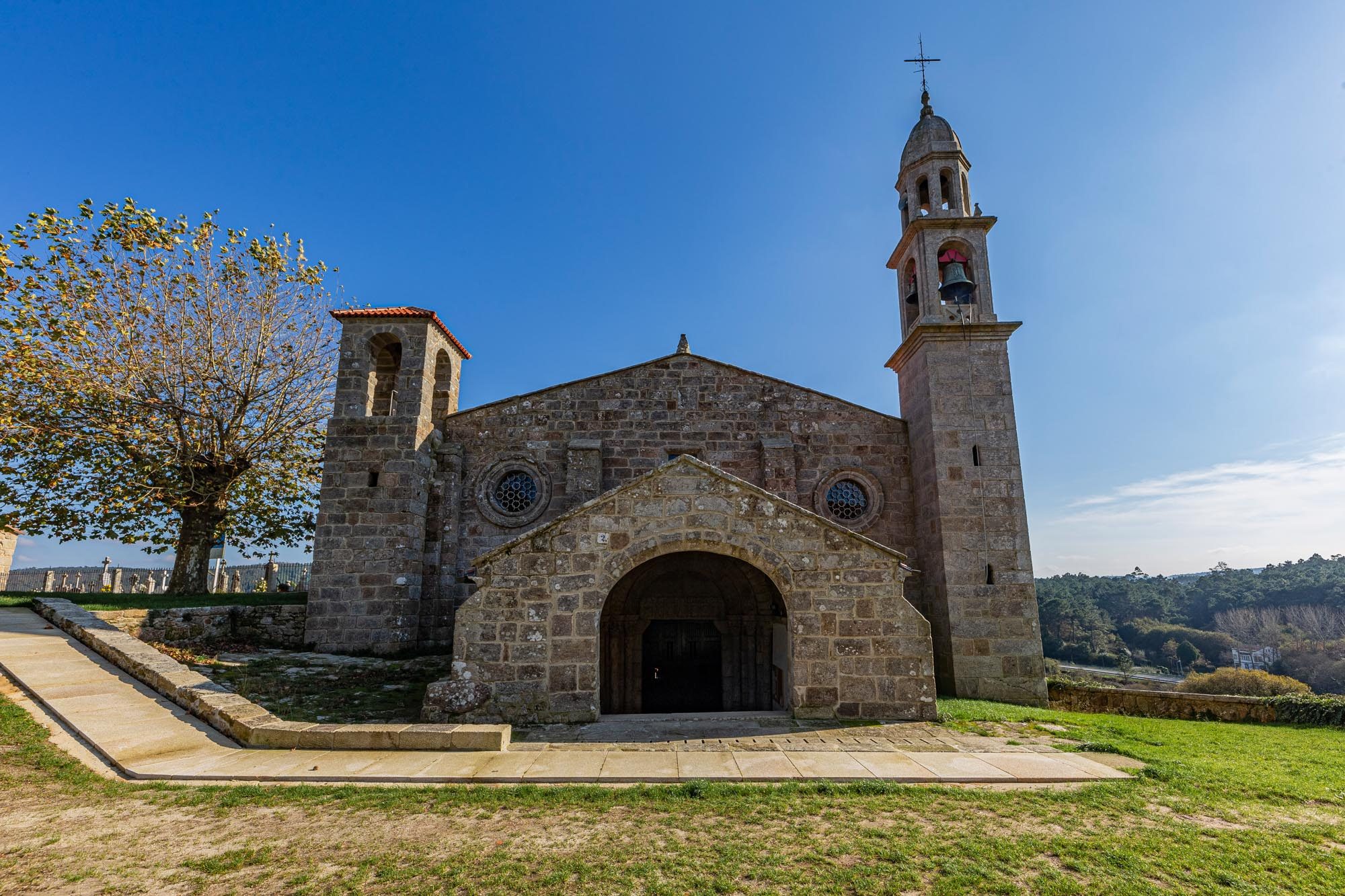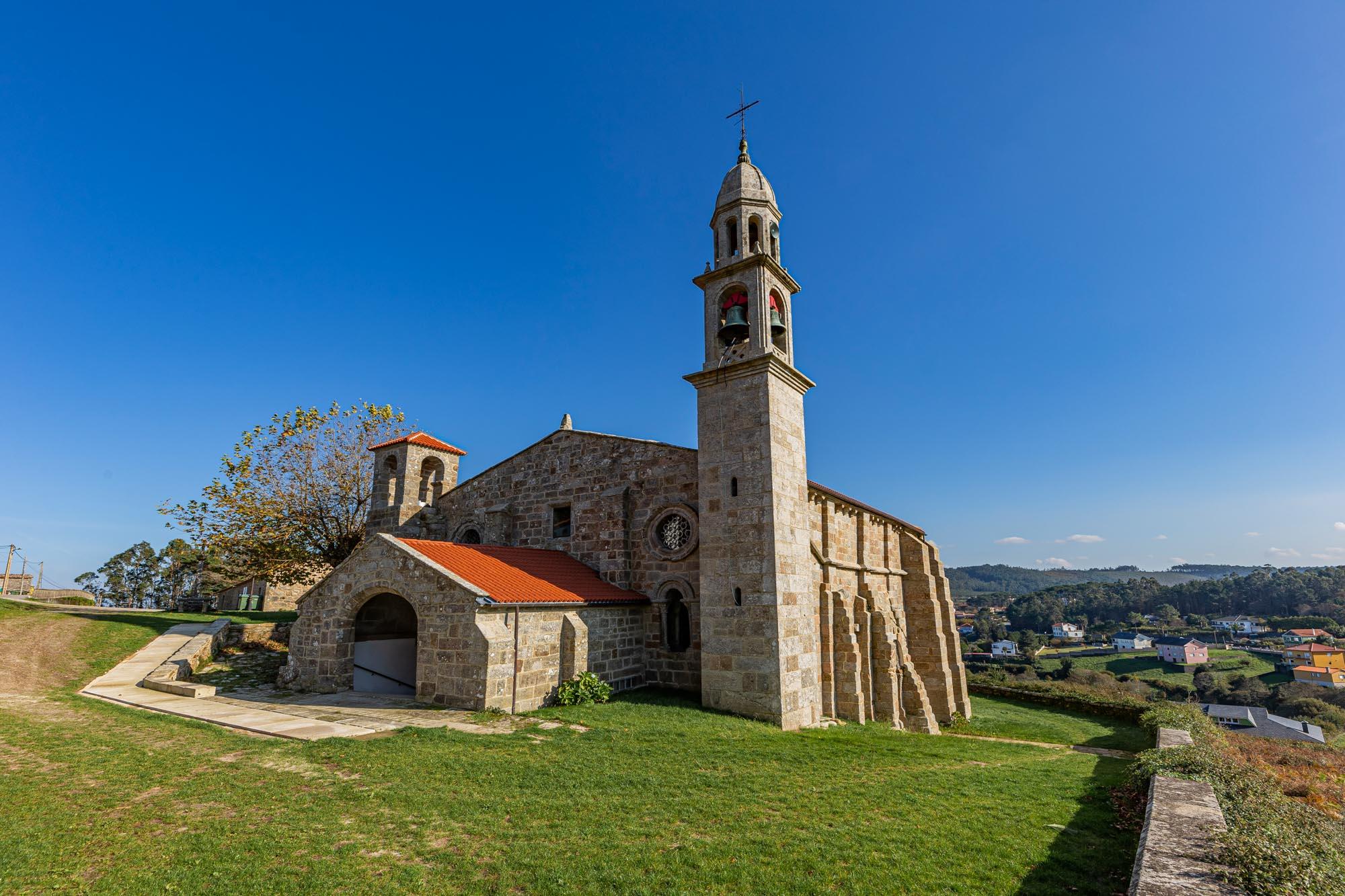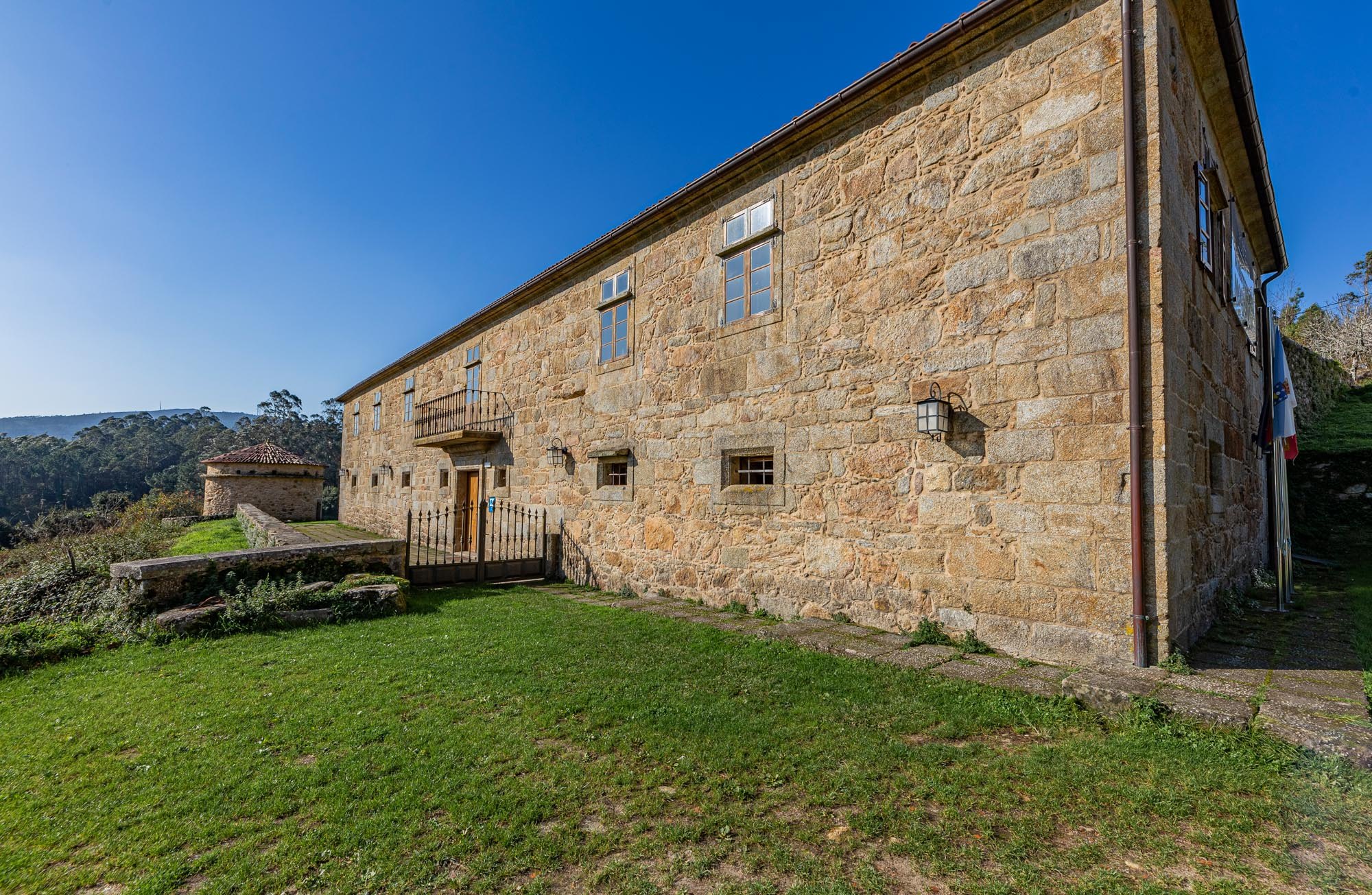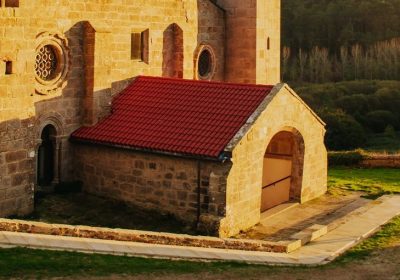


The Monastery of San Julián de Moraime, located in Moraime (Muxía), is one of the most remarkable heritage sites on the Costa da Morte. First documented in 1095, this former Benedictine priory became an important spiritual, economic and political centre during the Middle Ages. To visit the Moraime Monastery is to step into a place where history still feels alive, surrounded by an atmosphere that preserves the strength, character and quiet beauty of centuries past.
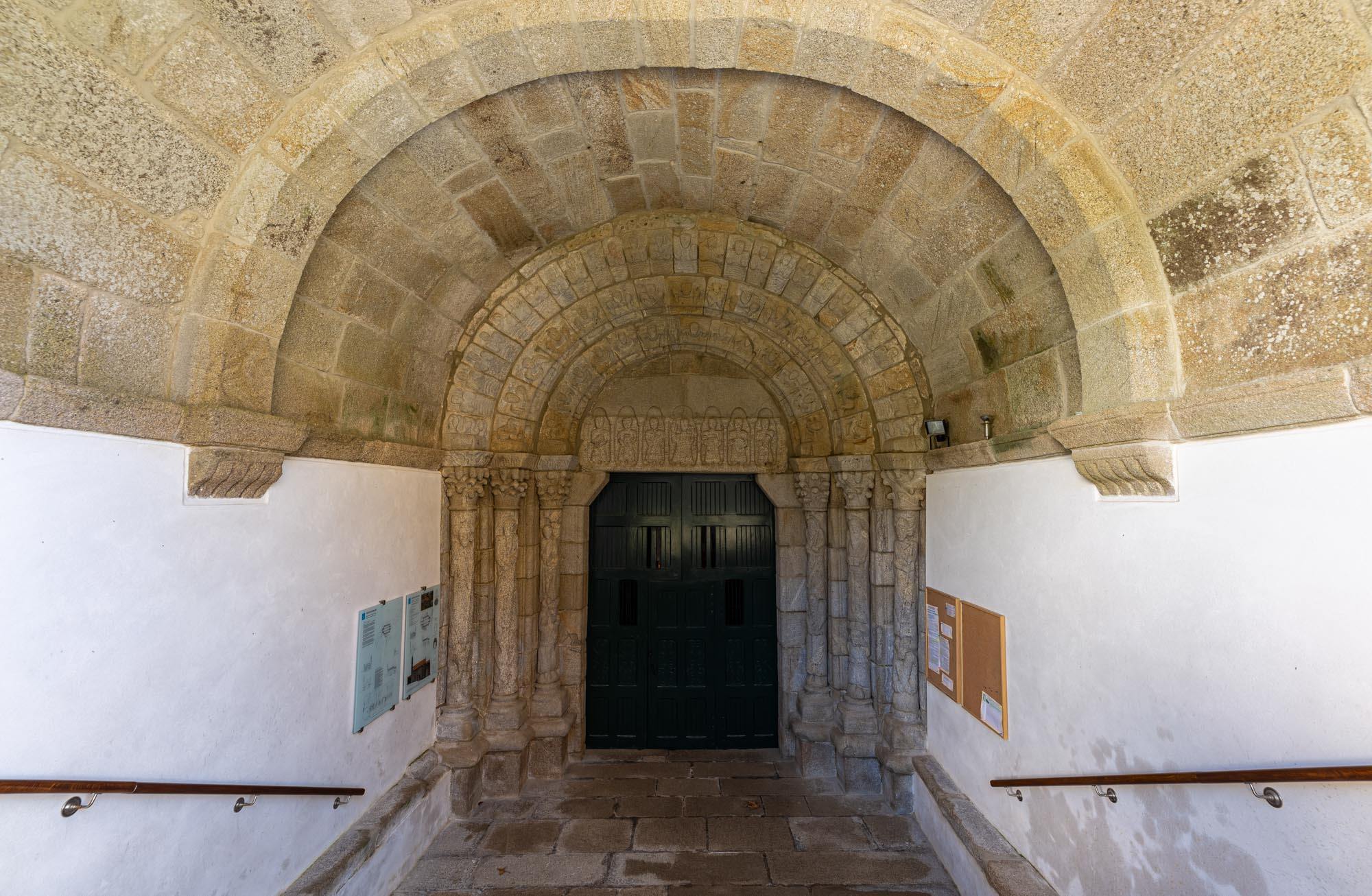
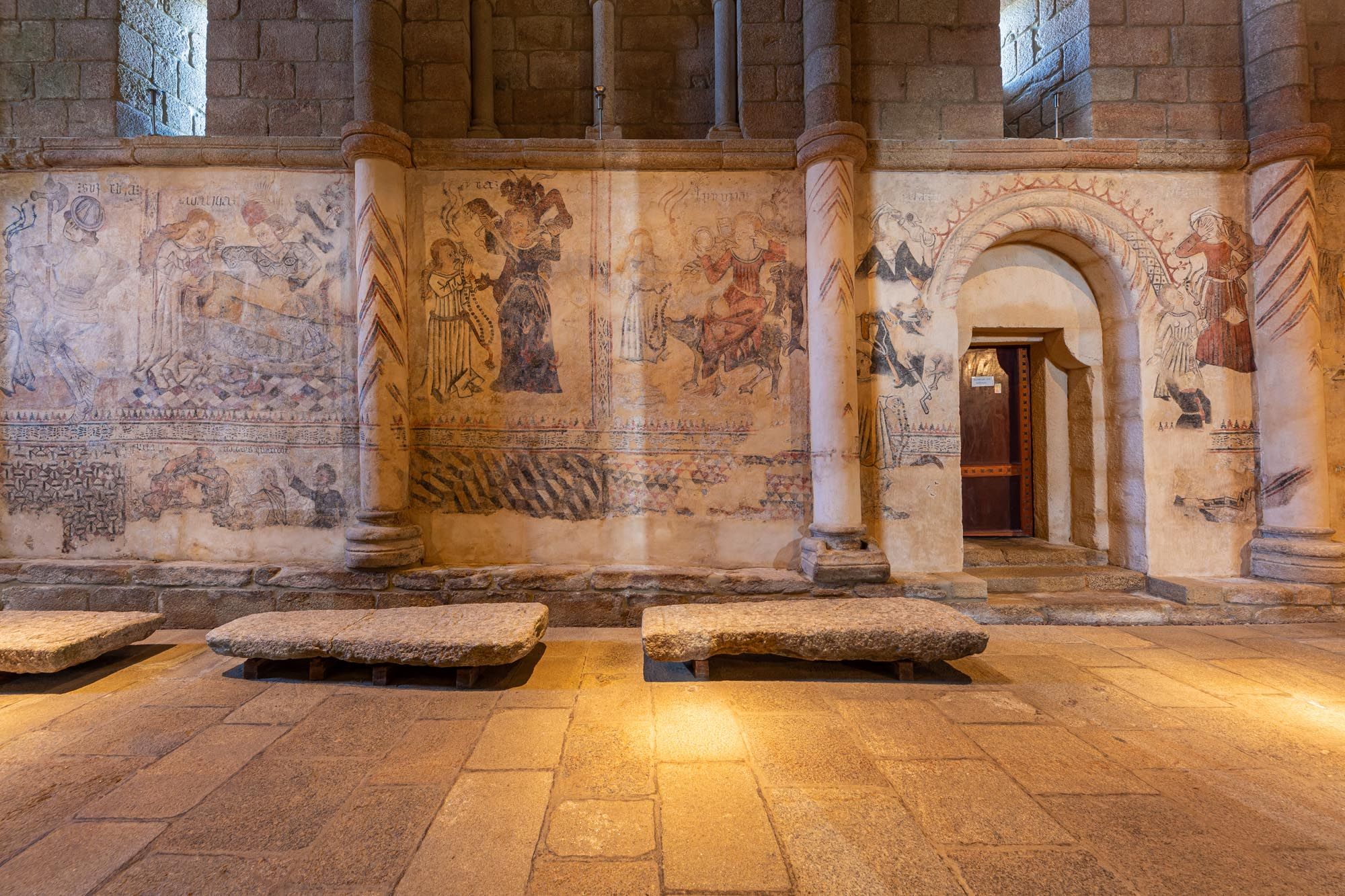
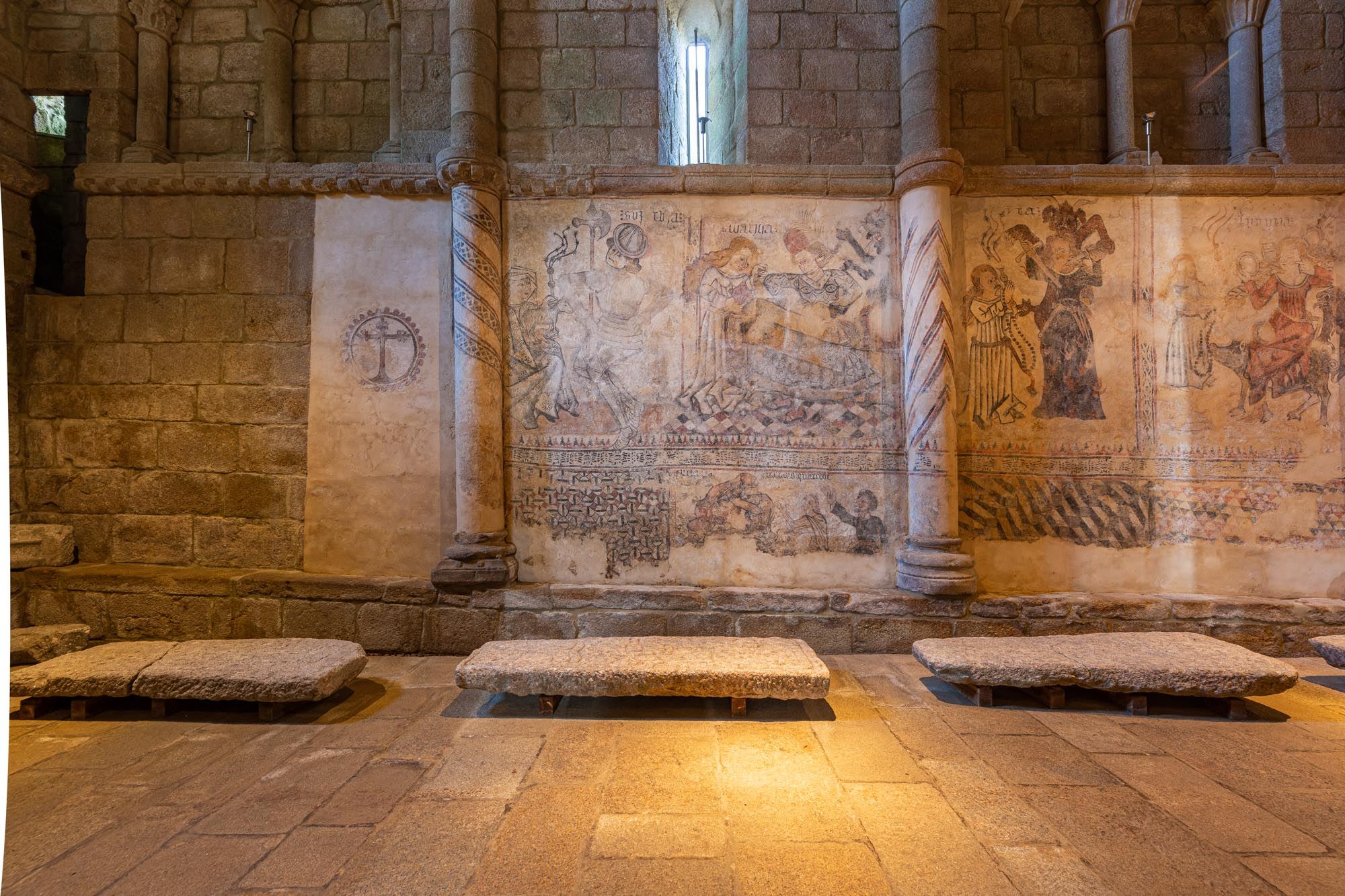
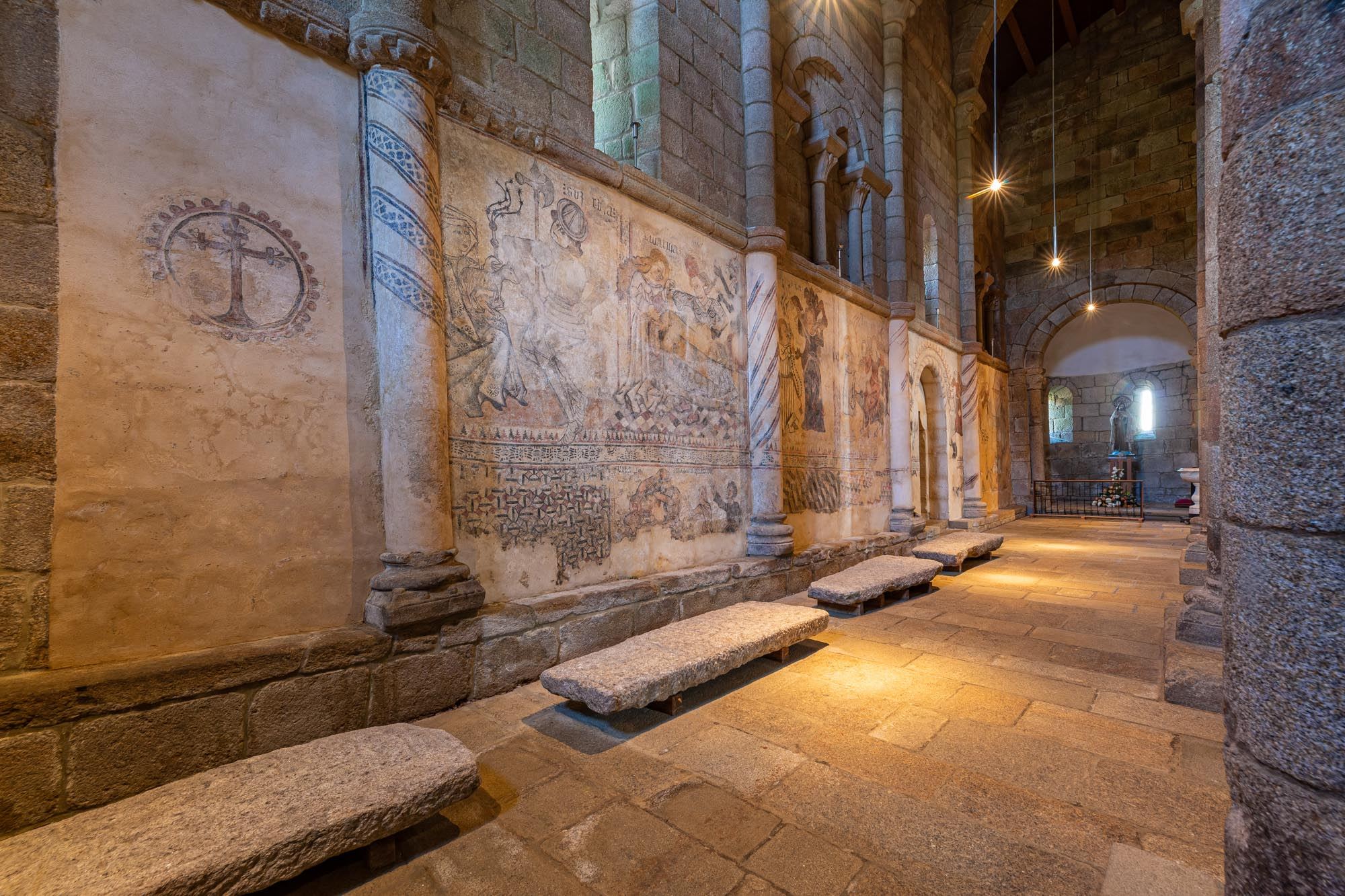
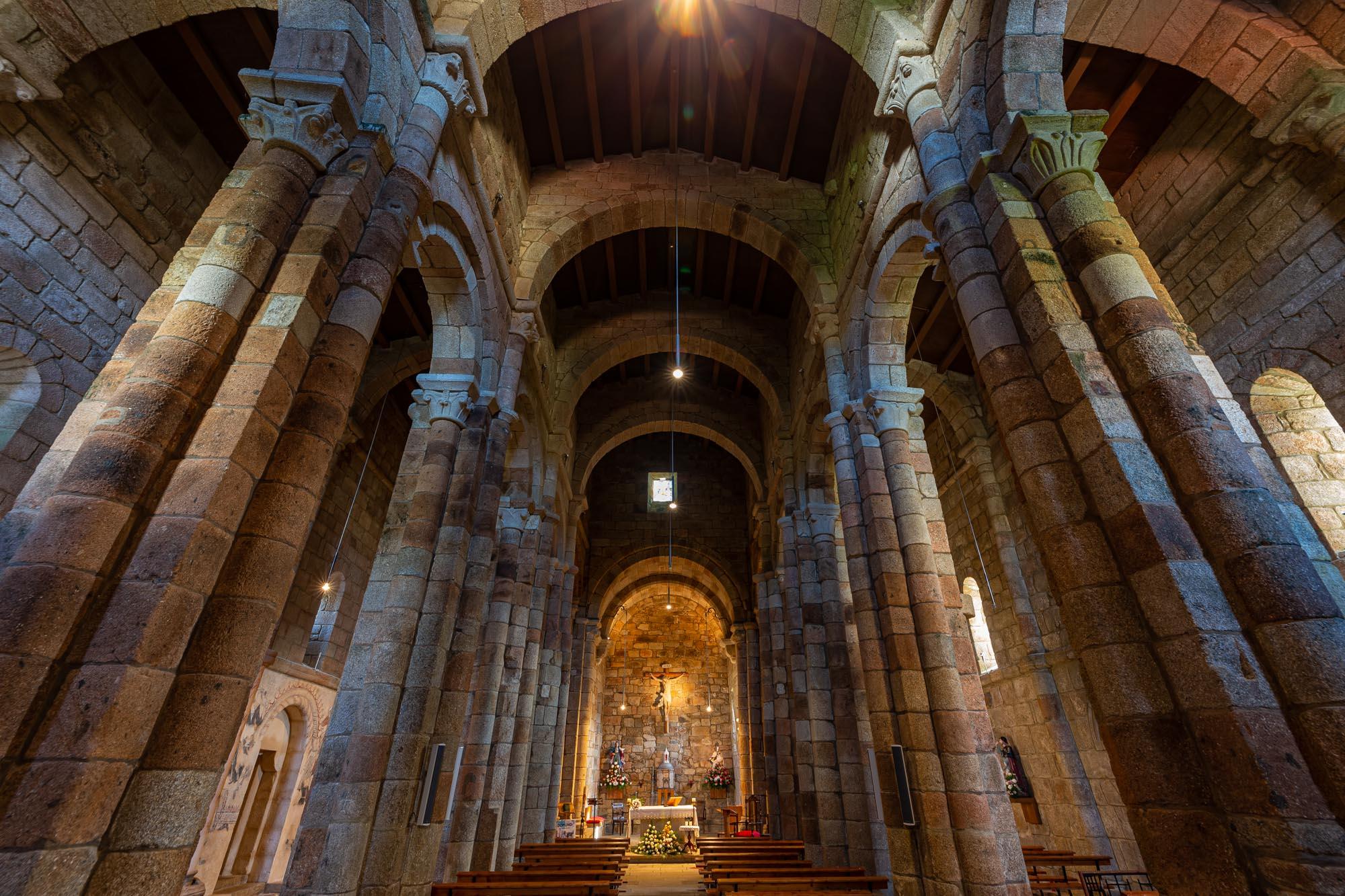
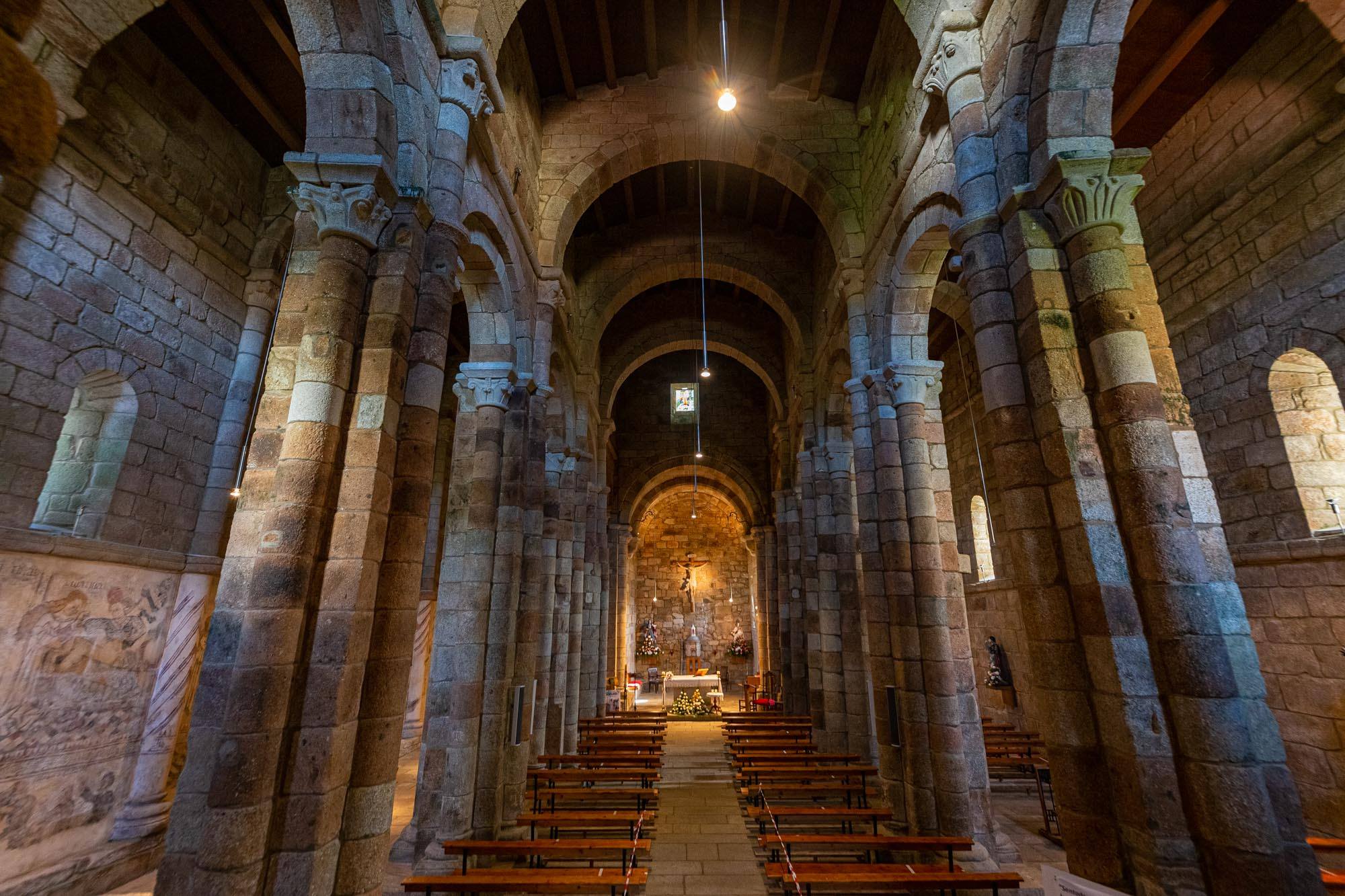
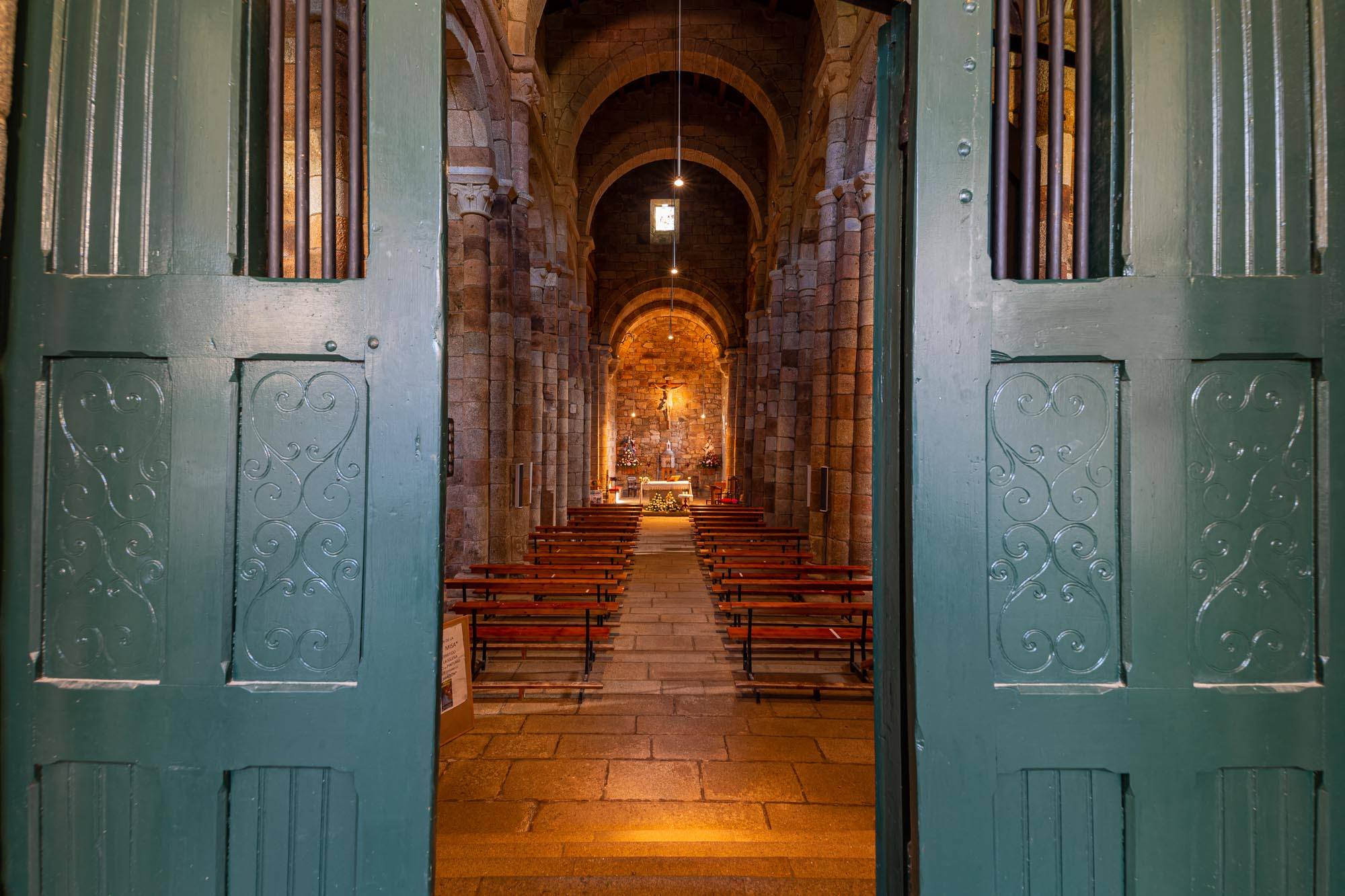
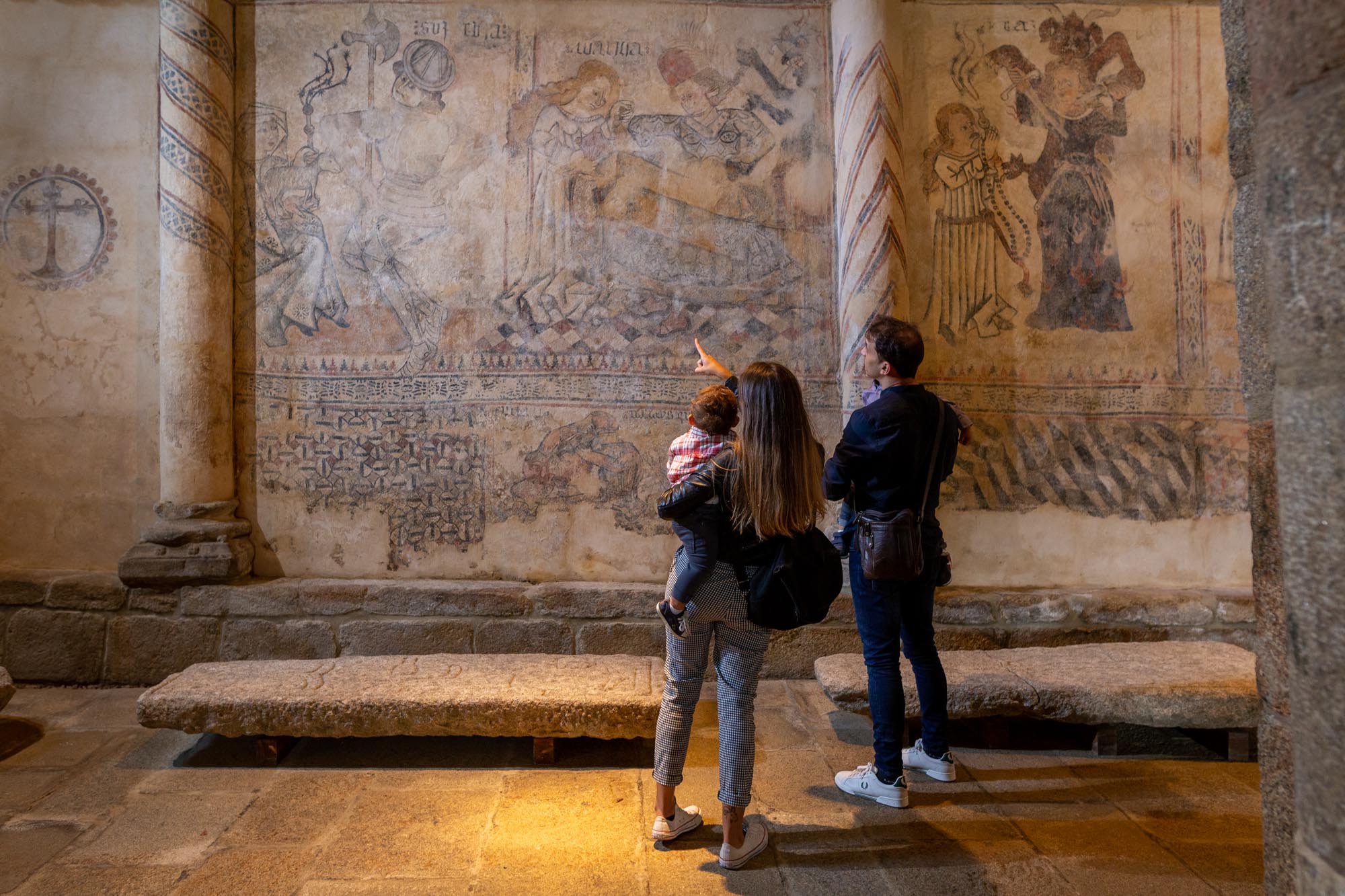
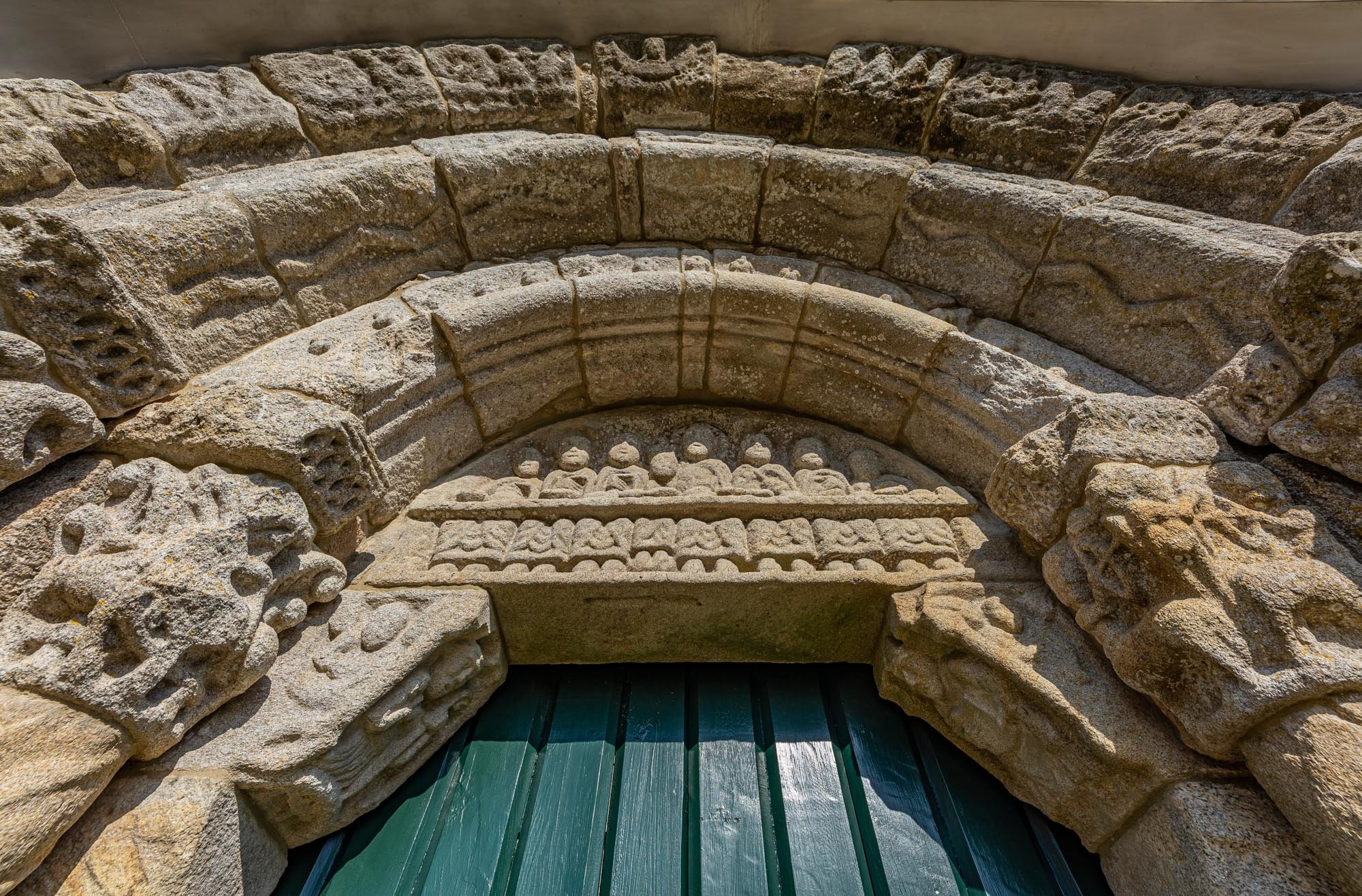
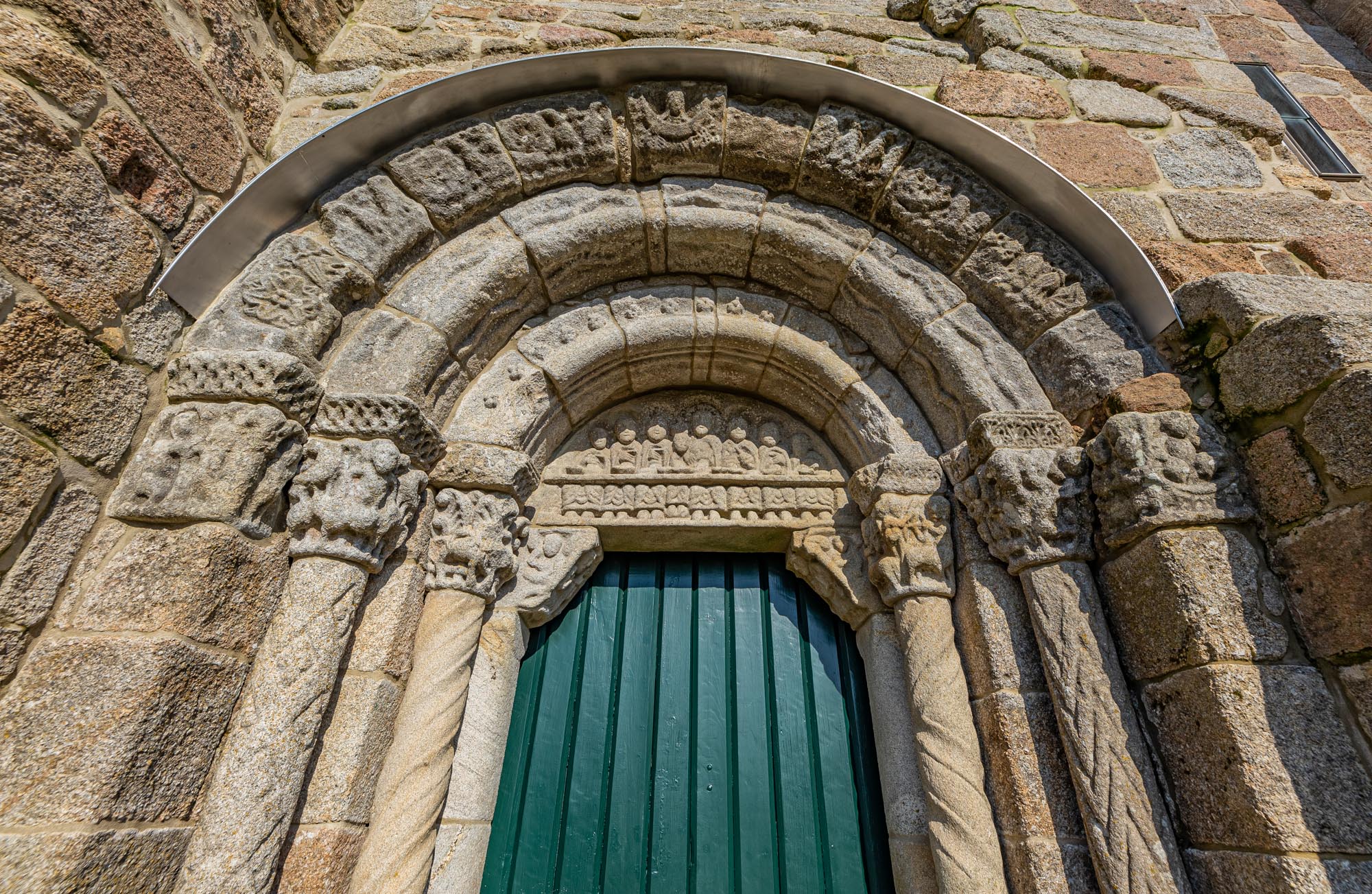
Its church is a notable example of 12th-century Romanesque architecture, with sculpted capitals and arched portals that speak of the monument’s former importance. Inside, the remains of Gothic wall paintings give the site even greater artistic value, making the Monastery of San Julián de Moraime one of the key heritage landmarks to discover in Muxía and across the Costa da Morte. The site is also archaeologically significant, as excavations carried out in 1972 documented earlier levels of occupation from the Roman and Visigothic periods beneath the area of the church.
For centuries, Moraime was far more than a religious building. It held its own jurisdiction as a couto, managed lands and rights, and played a major role in the surrounding territory. Over time, the priory declined and was ultimately suppressed in the 19th century, while the church remained as a parish temple. Today, listed as a Bien de Interés Cultural, the Moraime Monastery is also part of the Camino de Santiago to Fisterra and Muxía, offering visitors a powerful combination of history, art and identity in one of the most authentic corners of Galicia.